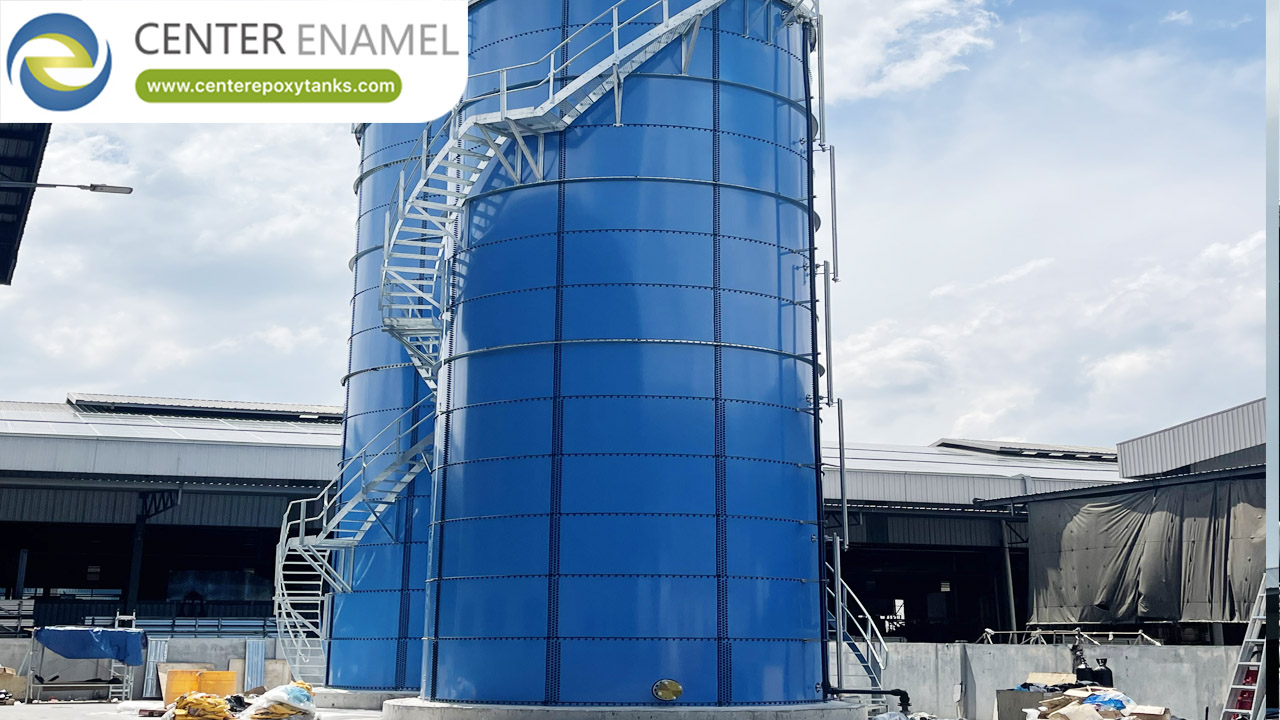
What is a Plastic Pellet Silo? Design, Function, and Industrial Uses
A plastic pellet silo (also known as a plastic resin silo) is an industrial bulk containment vessel engineered specifically to store, protect, and meter virgin plastic resin pellets, recycled regrind, and plastic granules. These vertical cylindrical structures are a staple in plastics manufacturing, injection molding, blow molding, and extrusion facilities, providing clean, continuous raw material feed to high-volume production lines.
Unlike heavy aggregate or cement silos built for abrasive materials, plastic pellet silos are typically constructed from high-grade aluminum or stainless steel. This design ensures that the stored resin remains 100% free from rust, metal scale, moisture contamination, and color cross-contamination.
How a Plastic Pellet Silo Works
Managing lightweight, sensitive plastic resin requires precise climate control, clean pneumatic transport, and gentle flow dynamics:
Pneumatic Tanker Unloading: Bulk resin tanker trucks deliver raw pellets directly to the facility. Using low-pressure, oil-free compressed air, the pellets are blown through stainless steel or aluminum fill pipes into the top of the silo.
Filtration and Venting: As air carries the pellets into the silo, an automated top-mounted pulse-jet baghouse or cartridge filter separates dust and airborne fines from the discharge air, ensuring clean atmospheric venting.
Contamination-Free Containment: Once inside, the pellets are protected from weather, rain, and humidity. Smooth internal welds and corrosion-free wall surfaces prevent pellets from hanging up or picking up rust flakes.
Gentle Gravity & Vacuum Unloading: The lower 45° to 60° conical hopper directs pellets smoothly down toward a specialized vacuum pickup box or rotary airlock valve, where pneumatic conveying systems draw the resin directly into plant dryers and molding machines.
Technical Specifications & Resin Storage Parameters
Selecting the proper silo design depends on resin type, storage volume, and plant material handling systems. The matrix below outlines core specifications:
Technical Parameter | Engineering Standard / Feature | Operational Impact |
Material Construction | Smooth-wall aluminum or 304/316 stainless steel | Eliminates internal rust, prevents resin contamination, and ensures easy color changes. |
Bulk Resin Density | 0.5 to 0.7 t/m3 (30 to 45 lbs/ft3) | Light bulk density allows taller vertical structures on moderate foundation footprints. |
Hopper Base Angle | 45° to 60° conical base | Promotes gentle mass flow without crushing pellets or creating excessive friction. |
Material Flow Aids | Anti-static grounding, smooth pipe bends, air pads | Prevents static cling, reduces pellet friction, and eliminates "angel hair" (streamers). |
Filtration & Venting | Top pulse-jet dust collector with vacuum relief valve | Captures polymer dust during loading while preventing silo over-pressurization. |
Key Benefits of Dedicated Plastic Resin Silos
Upgrading from octabin boxes or gaylords to a vertical plastic pellet silo provides substantial cost savings and operational advantages:
Key Takeaway: Buying resin in bulk tanker loads rather than gaylord boxes typically reduces raw material purchasing costs by 5% to 10%, while freeing up thousands of square feet of indoor plant floor space.
Elimination of Material Contamination: Sealed aluminum or stainless steel vessels shield sensitive polymers (like PET, PE, and PP) from outdoor dirt, moisture, and cross-contamination.
Reduced Labor and Handling Hazards: Automated pneumatic lines move resin straight from the silo to the processing machine, eliminating manual forklift transport and gaylord dumping.
Maximized Indoor Space: Moving bulk raw material storage outdoors into vertical silos reclaims valuable interior floor space for additional injection molding or extrusion machines.
Frequently Asked Questions (FAQ)
Q: Why are plastic pellet silos made from aluminum or stainless steel instead of carbon steel?
A: Carbon steel can rust over time when exposed to moisture. Rust flakes can contaminate plastic pellets, causing defects, discoloration, or clogged nozzles in injection molding and extrusion machinery. Aluminum and stainless steel remain corrosion-free and clean.
Q: What causes "angel hair" in plastic pellet silos, and how is it prevented?
A: "Angel hair" (or streamers) occurs when high-velocity pneumatic air creates friction against pipe walls, melting the surface of plastic pellets into thin strings. It is prevented by using low-velocity pneumatic conveying, smooth-pipe bends, or specially grooved pipe interiors.
Q: Can multiple types of plastic resin be stored in the same silo?
A: While possible after thorough cleaning, plant operators usually dedicate individual silos to specific resin types or colors (e.g., HDPE vs. PP) to prevent cross-contamination and off-spec molding runs.
Q: How are plastic pellets transferred from the silo to the molding machine?
A: Pellets are drawn from the bottom hopper of the silo using a vacuum conveying system or positive-displacement blower that pulls resin through stainless steel tubes directly into central drying systems or machine hoppers.


