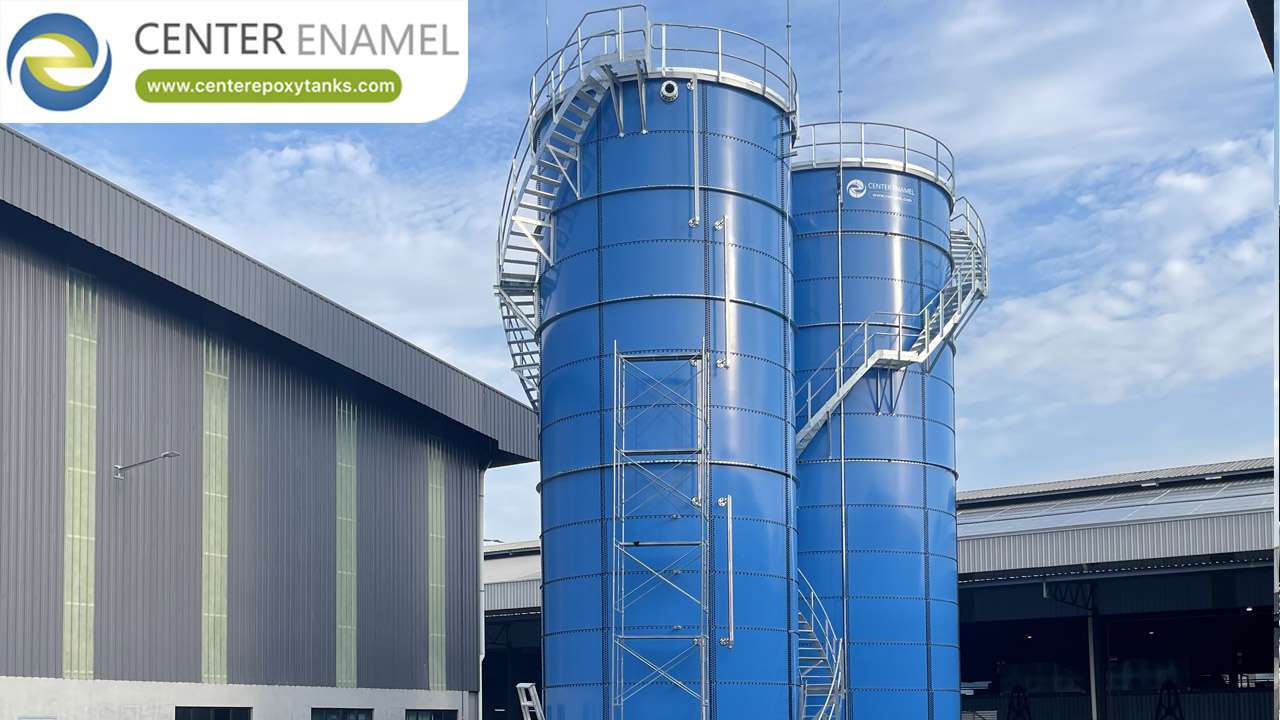
What is a Gypsum Silo? Design, Function, and Industrial Applications
A gypsum silo is a specialized, heavy-duty industrial containment vessel designed to store, preserve, and meter large volumes of bulk gypsum—either natural raw gypsum rock powder or synthetic Flue Gas Desulfurization (FGD) gypsum . Gypsum is a vital raw material used extensively across the wallboard (drywall) manufacturing, cement production, agriculture, and plaster industries.
Because bulk gypsum powder—especially synthetic FGD gypsum—possesses high moisture content and sticky physical characteristics, standard storage bins often suffer from severe caking, bridging, and material blockage. Modern gypsum silos are specifically engineered with steep hopper cones, active discharge mechanisms, and corrosion-resistant liners to ensure reliable mass-flow unloading.
Why Gypsum Storage Requires Specialized Engineering
Storing gypsum presents unique mechanical and chemical handling challenges that distinguish it from standard inert grains or free-flowing aggregates:
High Moisture and Cohesiveness: FGD gypsum, a byproduct of coal-fired power plant scrubbers, often retains 8% to 12% surface moisture. This moisture makes the powder cohesive, causing it to pack under its own weight and stick to silo interior walls.
Bridging and Ratholing: When discharged through standard gravity hoppers, cohesive gypsum powder readily forms stable arches (bridging) over the exit orifice or creates a narrow core channel (ratholing), leaving dead storage along the sides.
Chemical Reactivity and Corrosion: Gypsum powder can absorb ambient humidity, causing it to set or harden into solid blocks over time. Additionally, trace impurities or acidic condensates in synthetic gypsum can accelerate the corrosion of unlined mild steel plates.
How a Gypsum Silo Works
Operating a large-scale gypsum storage silo relies on a coordinated sequence of material loading, environmental control, and active flow discharge:
System Feeding: Bulk gypsum powder is delivered into the top of the silo via pneumatic conveying lines or mechanical equipment such as bucket elevators and enclosed belt conveyors.
Environmental Filtration: During pneumatic or mechanical loading, airborne gypsum dust is contained by a roof-mounted pulse-jet baghouse filter, keeping fine particulate out of the atmosphere and recycling caught material back into the bin.
Active Flow Activation: To prevent material packing at the bottom hopper, the silo utilizes mechanical flow aids such as vibrating bin activators, internal stainless steel liners, or fluidization air pads.
Metered Discharge: The loosened gypsum powder flows evenly into lower volumetric screw feeders or rotary valves, delivering a precise dosing rate to downstream wallboard production lines or cement grinding mills.
Technical Specifications & Silo Parameters Matrix
The table below outlines the core structural parameters, material metrics, and functional components required for effective bulk gypsum storage:
Technical Parameter | Engineering Standard / Feature | Operational Impact |
Material Construction | Carbon steel with epoxy/stainless liner or Glass-Fused-to-Steel | Prevents internal wall corrosion caused by moisture and trace chemical acids in FGD gypsum. |
Bulk Material Density | 0.8 to 1.3 t/m3 (varying by moisture & grind) | Used by structural engineers to calculate lateral wall pressures and foundation requirements. |
Hopper Base Geometry | 60° to 70° steep conical or transition hopper | Promotes natural mass flow, reducing the risk of stagnant material build-up along walls. |
Flow-Aid Hardware | Vibrating bin activators, fluidization air pads, air cannons | Actively breaks material bridges and eliminates ratholes at the discharge cone. |
Dust Mitigation System | Roof-mounted automated pulse-jet bag filter | Captures fine gypsum dust during high-volume filling to ensure zero-emission compliance. |
Key Benefits of Purpose-Built Gypsum Silos
Investing in a dedicated, engineered gypsum storage silo offers several key operational advantages:
Key Takeaway: Custom-engineered gypsum silos prevent costly plant shutdowns caused by material blockages, ensuring a continuous, metered feed for wallboard and cement manufacturing processes.
Weather Isolation: Sealed steel storage keeps gypsum dry, preventing rain contamination that causes powder to set and harden inside the vessel.
High Volumetric Efficiency: Vertical storage maximizes material capacity on a minimal site footprint compared to open stockpiles or flat storage warehouses.
Dust Containment: Enclosed transfer and top filtration protect plant workers and nearby communities from airborne gypsum dust pollution.
Frequently Asked Questions (FAQ)
Q: What is the difference between natural gypsum and FGD gypsum silos?
A: Natural gypsum is typically drier and coarser, requiring standard heavy-duty abrasion protection. FGD (synthetic) gypsum contains higher moisture (8-12%) and is much more cohesive, requiring steeper hopper angles, corrosion-resistant liners, and active vibrating discharge systems to prevent packing.
Q: How do you prevent gypsum powder from bridging inside a silo?
A: Gypsum bridging is prevented by combining a steep hopper angle (60° to 70° ), low-friction internal wall coatings (like ultra-high-molecular-weight polyethylene or stainless steel liners), and mechanical flow aids like vibrating bin activators or acoustic air cannons.
Q: Can a gypsum silo be loaded pneumatically?
A: Yes, fine gypsum powder can be pneumatically conveyed into the silo using compressed air. However, because pneumatic pressure creates significant dust, the silo top must be equipped with a pulse-jet bag filter and a vacuum/pressure relief safety valve.
Q: What industries rely most on gypsum storage silos?
A: The primary industries using gypsum silos are drywall and wallboard manufacturing plants, cement manufacturing facilities (where gypsum acts as a set retarder), agricultural fertilizer distributors, and plaster producers.


