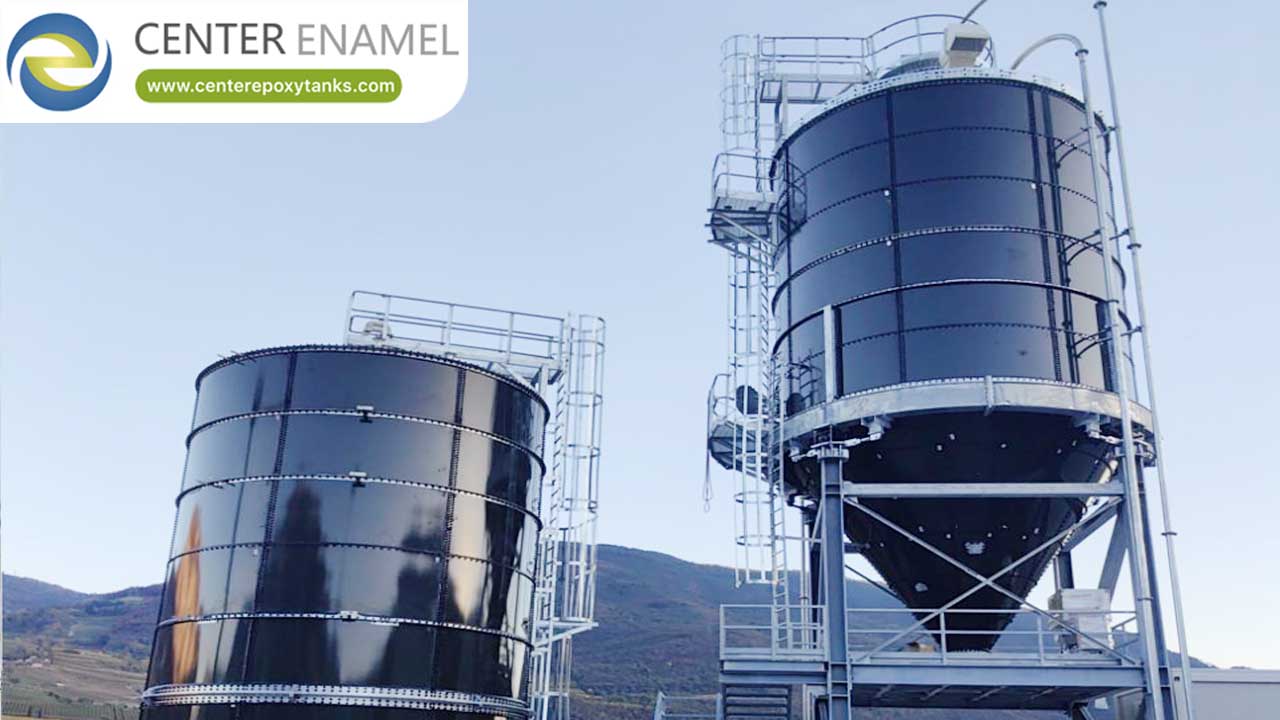
What is a Coal Storage Silo? Design, Function, and Safety Management
A coal storage silo is a heavy-duty industrial containment structure engineered specifically to store bulk quantities of coal safely, efficiently, and under tightly controlled environmental parameters. Used extensively in thermal power plants, steel mills, cement manufacturing facilities, and port export terminals, coal silos protect massive fuel reserves from weather degradation, minimize environmental pollution, and incorporate specialized safety systems to mitigate severe industrial hazards such as coal dust explosions and spontaneous combustion.
Modern steel and concrete coal silos provide a secure, enclosed alternative to traditional open-air coal yards, ensuring continuous fuel supply lines for heavy industrial operations.
How Coal Storage Silos Work (Operational Dynamics)
Managing bulk coal inside a large-scale industrial silo involves a synchronized sequence of enclosed mechanical handling, environmental emission control, and real-time safety telemetry:
Enclosed Conveyor Loading: Coal is transported from railcars or ships via enclosed belt conveyors or bucket elevators, rising to the top of the silo where a rotating distributor spreads the material evenly.
Dust Suppression and Filtration: Because fine coal dust is highly combustible, roof-mounted baghouses and dust suppression systems capture airborne particulate matter during loading to prevent explosive dust clouds.
Real-Time Monitoring (Thermal & Gas): Digital temperature-sensing cables and carbon monoxide (CO) gas detectors are suspended throughout the silo interior to track thermal shifts and detect early-stage oxidation.
Controlled Mass-Flow Discharge: The lower hopper is engineered for mass flow, ensuring that coal empties uniformly without leaving stagnant pockets that could trigger self-heating over time.
Critical Safety Systems in Coal Silo Design
Unlike inert mineral powders, coal is a reactive, carbon-rich material that introduces unique engineering safety challenges:
Spontaneous Combustion Prevention: Coal absorbs oxygen over time, generating internal heat. If heat accumulates in stagnant dead zones, it can reach ignition temperature. Silos use smooth mass-flow designs and continuous gas monitoring to eliminate these risks.
Inert Gas Purging Systems: In the event that elevated carbon monoxide levels indicate an internal hot spot, automated nitrogen injection valves flood the silo interior, displacing oxygen and extinguishing the reaction safely.
Explosion Relief Panels: Heavy-duty, low-inertia explosion hatch vents are installed on the roof or upper shell. Should a sudden pressure spike occur from airborne dust ignition, these panels open instantly to direct blast energy safely upward, protecting the primary structural shell.
Technical Specifications & Safety Parameters Matrix
Design Parameter / Feature | Engineering Specification | Operational Impact |
Material Construction | Heavy-duty welded carbon steel plates or reinforced concrete | Withstands massive lateral hoop stresses and heavy bulk coal weights. |
Thermal Monitoring | Multi-point digital temperature-sensing cables | Detects localized heating trends and potential spontaneous combustion. |
Atmospheric Gas Sensing | Continuous Carbon Monoxide (CO) telemetry probes | Provides early warning of coal oxidation before ignition occurs. |
Explosion Mitigation | Roof-mounted hinged pressure relief vent panels | Safely relieves sudden internal pressure spikes during dust combustion events. |
Inerting Infrastructure | Automated nitrogen gas purging ports | Displaces oxygen in emergency scenarios to suppress internal hot spots. |
Key Benefits of Using Enclosed Coal Silos
Investing in engineered coal storage infrastructure provides substantial operational, safety, and environmental advantages:
Elimination of Weather Degradation: Enclosed silos protect coal from rain and moisture, preventing wet fuel from clogging boiler feed systems and reducing calorific value.
Environmental Emission Control: Completely sealed containment prevents wind-blown coal dust from polluting surrounding communities and ensures compliance with strict environmental regulations.
Drastic Reduction of Fire Hazards: Advanced monitoring, inerting systems, and smooth-flow geometry protect plant assets from catastrophic spontaneous combustion events common in open storage piles.
Frequently Asked Questions (FAQ)
Q: What is the main purpose of a coal storage silo?
A: A coal storage silo is designed to store bulk quantities of coal securely in a protected environment, ensuring a continuous, dry fuel supply for thermal power plants and industrial facilities while managing environmental emissions and safety hazards.
Q: How do coal silos prevent spontaneous combustion?
A: Coal silos prevent spontaneous combustion by using smooth mass-flow hoppers to eliminate stagnant dead zones, continuous thermal-sensing cables, and carbon monoxide monitors to detect early oxidation, along with nitrogen inerting systems to suppress hot spots.
Q: Why are enclosed steel silos preferred over open-air coal yards?
A: Enclosed silos prevent wind-blown dust pollution, protect coal from absorbing moisture (which lowers burning efficiency), eliminate rainwater runoff contamination, and drastically reduce the risk of open-pile fires.
Q: What happens if a dust explosion occurs inside a coal silo?
A: Modern coal silos are equipped with roof-mounted explosion relief vent panels. These specialized panels are engineered to pop open instantly under pressure, directing explosive force safely upward into the atmosphere and preserving the main structural integrity of the silo shell.


