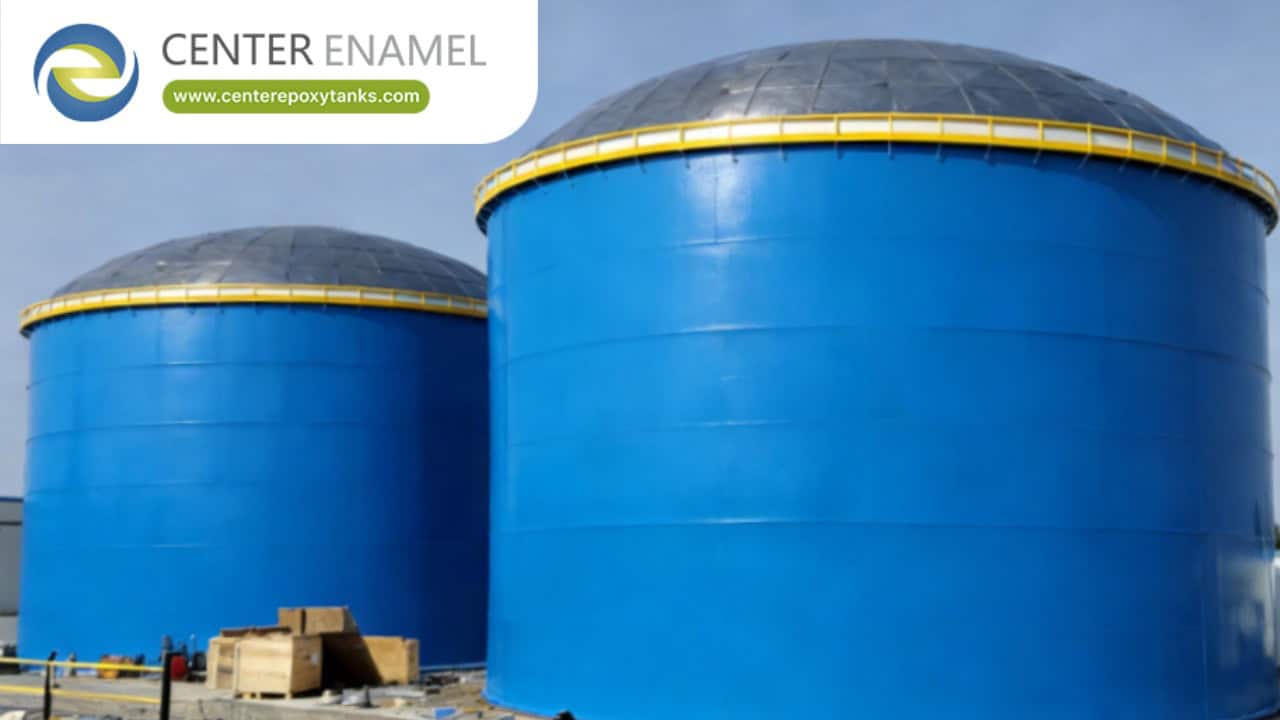
What is a Petroleum Storage Tank?
A petroleum storage tank is a large-scale, industrial container designed to safely hold bulk quantities of crude oil, refined fuels (such as diesel, gasoline, and jet fuel), and petrochemical liquids. These storage vessels are critical infrastructure components operating within oil refineries, fuel distribution terminals, chemical plants, and production fields.
Unlike standard water tanks, petroleum storage tanks must be engineered to withstand the specific physical and chemical properties of hydrocarbons, including high volatility, flammability, thermal expansion, and varying viscosities.
The Industry Gold Standard: API 650
In the global industrial sector, the design, fabrication, and construction of aboveground petroleum tanks are governed primarily by the API 650 standard. Published by the American Petroleum Institute, API 650 dictates the engineering rules for welded, flat-bottomed, vertical storage tanks operating at atmospheric or low pressure (up to 2.5 psig).
Material Rigor: Tanks are fabricated from high-grade carbon steel or stainless steel, with stringent requirements for weldability and notch toughness to prevent brittle fracture.
Structural Integrity: Engineering designs must calculate precise shell course thickness to handle hydrostatic pressure from massive liquid columns, alongside site-specific environmental stressors like wind, snow, and seismic activity.
Non-Destructive Testing (NDT): All structural welds undergo rigorous examination—such as radiographic (X-ray) or ultrasonic testing—to ensure continuous, defect-free seams that prevent catastrophic leaks.
Types of Petroleum Storage Tanks
Petroleum tanks are categorized based on the physical properties of the fuel they hold—specifically, the fuel's flash point and vapor pressure.
1. Fixed-Roof Tanks
These feature a permanently attached, immovable cone or dome roof. Because there is a fixed vapor space between the liquid level and the roof, they are most cost-effective and appropriate for storing non-volatile products with high flash points, such as heavy fuel oil (HFO), diesel, and bitumen.
2. External Floating-Roof (EFR) Tanks
Designed specifically for highly volatile liquids like crude oil and gasoline. The roof is not fixed; instead, it floats directly on the surface of the liquid, rising and falling as the tank is filled or emptied. This design eliminates the vapor space, drastically reducing volatile organic compound (VOC) emissions and minimizing fire hazards.
3. Internal Floating-Roof (IFR) Tanks
A hybrid design featuring both a fixed outer roof (to protect against the elements) and an internal floating roof. These are heavily utilized for highly refined, volatile products like aviation fuel and ethanol, where keeping rain or debris out of the fuel is just as critical as controlling emissions.
Explore the Engineering: Fixed vs. Floating Roofs
Understanding how product volatility impacts tank selection is a core aspect of petroleum engineering. Use this simulator to compare operational trade-offs:
Advanced Manufacturing & Project Execution
As global demand for secure energy infrastructure grows, top-tier manufacturers focus on integrated EPC (Engineering, Procurement, and Construction) solutions. For massive API 650 tanks, field erection—where rolled steel plates are welded on-site—is standard, allowing for capacities that can reach millions of gallons.
However, modern tank farms require comprehensive, multi-vessel infrastructure. For associated process water, fire protection water, or wastewater treatment on-site, engineers frequently deploy Glass-Fused-to-Steel (GFS) bolted tanks alongside traditional welded carbon steel petroleum tanks. This diverse material mastery ensures that a bulk liquid facility is fully optimized for both heavy hydrocarbon storage and essential utility management, providing rapid deployment and long-term corrosion resistance.
Frequently Asked Questions (FAQ)
Can a standard petroleum storage tank be pressurized?
Generally, no. Standard API 650 petroleum tanks operate at atmospheric pressure or very low pressure (not exceeding 2.5 psi). If a facility needs to store liquefied petroleum gas (LPG) or other highly pressurized gases, they use specialized spherical tanks or cylindrical bullets, which are governed by pressure vessel codes like ASME or API 620.
How are petroleum tanks protected from internal and external corrosion?
Internally, tank bottoms often receive conservative thickness allowances and specialized epoxy linings to defend against water and sludge that settle below the oil. Externally, the carbon steel is protected by high-performance industrial coatings, and the foundations are often equipped with cathodic protection systems to prevent electrochemical soil-side corrosion.
What is secondary containment?
Environmental compliance requires aboveground petroleum tanks to be surrounded by secondary containment, usually a bund wall or a concrete dike. This acts as a backup catch basin designed to hold the entire volume of the tank should a catastrophic structural failure occur, preventing catastrophic soil and groundwater contamination.


