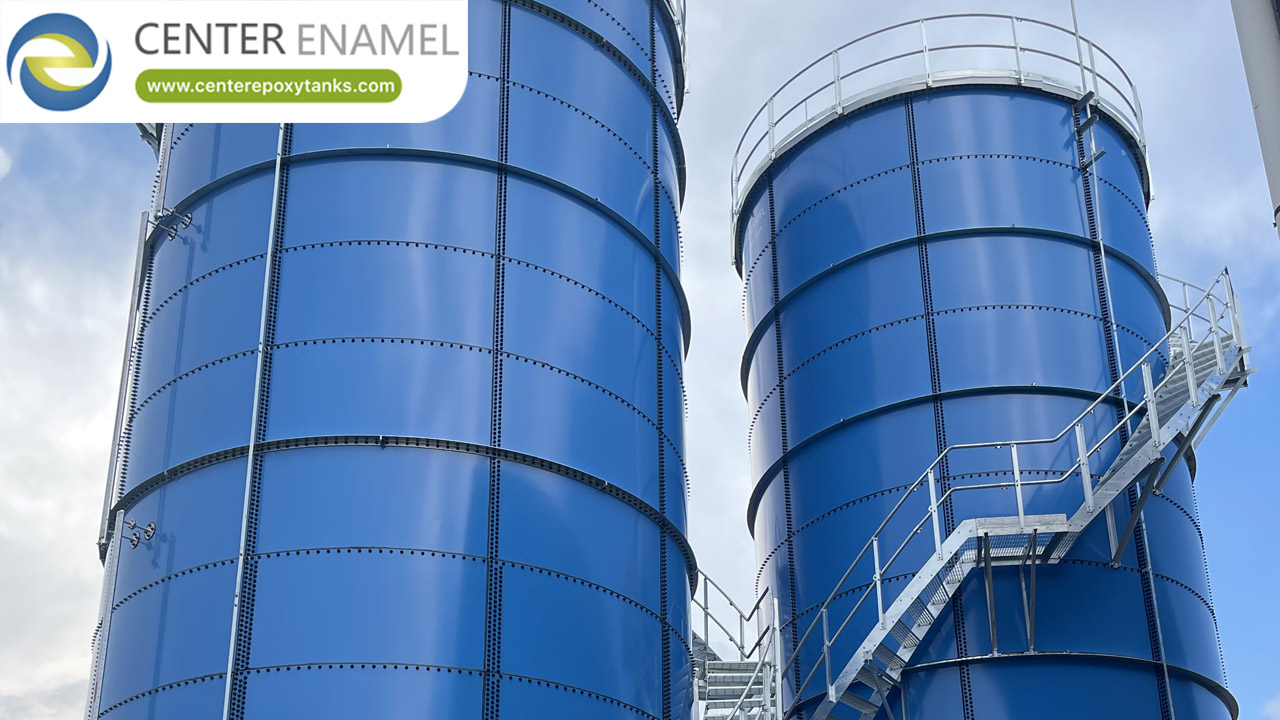
What is a Grain Silo? Types, Working, Uses & Benefits
A grain silo is a specially engineered vertical storage structure designed to store bulk agricultural commodities—such as wheat, corn, rice, barley, soybeans, and animal feed—safely and efficiently. Unlike conventional horizontal warehouses or bag storage systems, modern grain silos provide a sealed, climate-controlled environment that protects crops from moisture ingress, extreme temperature fluctuations, rodent infestations, and fungal growth.
By maximizing vertical space, grain silos allow agribusinesses and commercial farms to store thousands of tons of grain securely, minimizing post-harvest losses and establishing a strategic buffer for global supply chains.
Core Types of Grain Silos
Depending on storage scale, operational turnover, and financial parameters, grain silos are categorized into several primary structural types:
1. Hopper Bottom Silos
Hopper bottom silos feature a conical, sloped metal base supported by a heavy-duty steel structure.
Working Principle: Utilizes gravity to allow stored grain to flow out naturally through the bottom discharge port without requiring manual intervention.
Best Suited For: Operations requiring frequent grain loading, feed mills, seed processing plants, and medium-scale commercial facilities where rapid batch unloading is necessary.
2. Flat Bottom Silos
Flat bottom silos are large-diameter, high-capacity vertical cylinders anchored directly onto concrete foundation slabs.
Working Principle: Designed for massive bulk storage volumes. Because gravity cannot clear the entire floor, these silos incorporate sweep augers and conveyor systems to guide remaining grains toward central extraction points.
Best Suited For: Long-term grain reserves, commercial grain elevators, major port terminals, and large-scale agricultural cooperatives.
3. Galvanized Steel vs. Concrete Silos
Modern construction primarily relies on corrugated galvanized steel panels (providing corrosion resistance and rapid assembly) or reinforced concrete (offering exceptional thermal mass and long-term durability for massive regional grain hubs).
How Grain Silos Work (The Working Process)
The operational lifecycle of a grain silo involves a combination of mechanical handling and automated environmental monitoring:
Loading: Harvested grains are delivered to the top of the silo via bucket elevators or enclosed belt conveyors, where a rotary distributor spreads the grain evenly to maintain structural weight balance.
Conditioning and Aeration: Integrated aeration fans push cool or dried air upward through the grain mass from floor ducts, continuously regulating interior temperature and humidity to prevent moisture condensation and mold.
Monitoring: Advanced radar level sensors and temperature cables track conditions inside the silo in real time, alerting operators to any potential hot spots or insect activity.
Discharge: When ready for processing, grains are extracted through gravity (hopper models) or sweep augers (flat bottom models) and routed to trucks, rail cars, or nearby milling facilities.
Comparative Analysis: Grain Silo Types & Applications
Feature / Parameter | Hopper Bottom Silos | Flat Bottom Silos | Bag Silos (Temporary) |
Capacity Range | Medium (Hundreds to 2,000+ tons) | Very High (Thousands to tens of thousands of tons) | Variable (Flexible field tubes) |
Discharge Method | 100% Gravity-assisted flow | Sweep augers and conveyor systems | Mechanical bagging/unbagging machines |
Storage Duration | Medium to Long-Term | Long-Term Strategic Reserve | Short-Term (Seasonal overflow) |
Primary Application | Feed mills, seed farms, rapid turnover | Commercial grain terminals, ports, cooperatives | Seasonal harvest overflow on farms |
Key Benefits of Modern Grain Silos
Investing in modern steel grain storage infrastructure yields significant operational and financial advantages over traditional horizontal warehouses or bag storage:
Drastic Reduction in Post-Harvest Losses: Sealed environments and active pest control keep post-harvest losses below one percent, eliminating waste from rodent attacks, bird droppings, and moisture spoilage.
Strategic Market Timing: On-farm and commercial silos give farmers the financial flexibility to hold harvested crops rather than selling immediately during harvest-time market gluts when commodity prices are lowest.
Space-Efficient Footprint: Vertical silo design stores immense volumes of grain within a minimal ground footprint, conserving valuable agricultural land.
Automated Climate Control: Advanced aeration and digital temperature-monitoring systems prevent grain spoilage, preserve seed germination rates, and maintain high commercial grading quality.
Frequently Asked Questions (FAQ)
Q: What is the main difference between a grain silo and a traditional granary?
A: A grain silo is a tall, vertical, engineered steel or concrete structure equipped with automated aeration, temperature sensors, and airtight sealing to protect bulk grain. A traditional granary is typically a horizontal storage building where grain is stored in bags or loose piles with limited environmental controls.
Q: How do grain silos prevent grain from spoiling?
A: Silos prevent spoilage through airtight structural sealing (blocking moisture and pests) and active aeration systems that blow conditioned air through the grain mass to regulate temperature and eliminate humidity pockets.
Q: How long can grain be stored safely in a steel silo?
A: When grain is properly dried (to safe moisture levels, typically around 12–14% for corn or wheat) and continuously monitored via aeration systems, it can be stored safely in a steel silo for many months or even several years without quality degradation.
Q: Why are hopper bottom silos preferred for certain operations?
A: Hopper bottom silos feature a sloped conical roof and base that allow 100% gravity-assisted discharge. They eliminate the need for internal sweep augers, making them ideal for facilities that require fast, frequent, and labor-free grain unloading.


