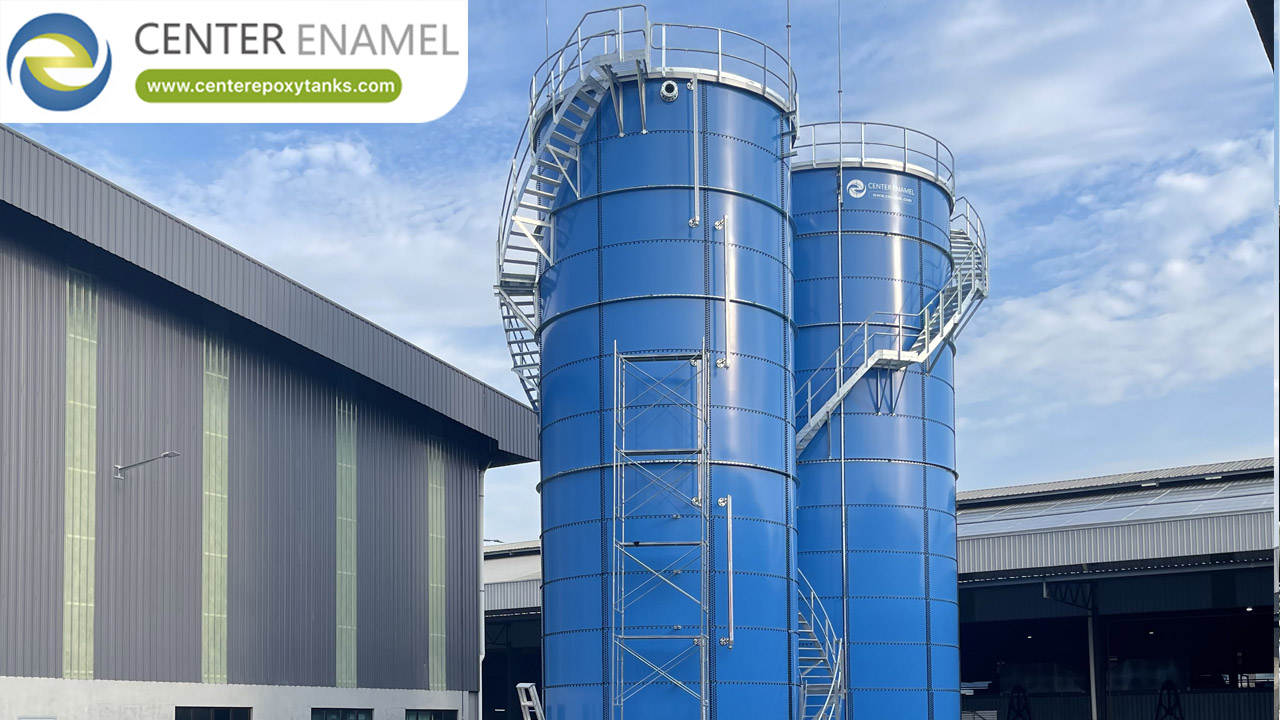
What Are Epoxy Coated Steel Tanks Used For? Key Applications and Industries
An epoxy coated steel tank—frequently built using modular bolted panels treated with advanced Fusion Bonded Epoxy (FBE) technology—is a high-performance industrial containment vessel designed to store liquids safely and reliably. By combining the heavy structural strength of carbon steel with a factory-applied, cross-linked epoxy barrier, these tanks protect stored contents from contamination while safeguarding the steel structure against severe chemical and environmental corrosion.
Because of their exceptional chemical resistance, structural durability, and modular flexibility, epoxy-coated steel tanks are deployed across a wide range of municipal, environmental, agricultural, and industrial sectors.
Major Applications and Industries
Epoxy-coated steel tanks serve as the backbone for numerous critical infrastructure and industrial processing applications:
1. Municipal Potable Drinking Water Storage
Providing safe, hygienic drinking water storage for cities, towns, and rural communities is one of the primary uses for epoxy-coated tanks. Engineered with interior coatings that comply with strict health and safety standards (such as NSF/ANSI 61), these tanks prevent microbial growth, maintain water purity, and resist degradation from municipal water treatment chemicals like chlorine.
2. Municipal and Industrial Wastewater Treatment
Wastewater collection and treatment plants handle aggressive effluents, sludge, and acidic or alkaline chemicals that quickly destroy ordinary steel or concrete structures. Epoxy-coated bolted tanks are extensively utilized for:
Aeration basins and biological treatment tanks
Clarifiers and sedimentation tanks
Industrial effluent containment and equalization basins
Sludge digestion and holding tanks
3. Fire Protection Water Reserves
Commercial complexes, manufacturing plants, and high-rise developments require dependable, high-volume water reserves to feed fire sprinkler systems. Engineered to comply with fire safety codes (such as NFPA 22), epoxy-coated steel tanks provide reliable, maintenance-free water storage capable of withstanding extreme external weather conditions.
4. Agricultural Water and Fertilizer Storage
In modern agricultural operations, reliable liquid management is essential. Epoxy-coated tanks are widely used for:
Large-scale agricultural irrigation water storage
Rainwater harvesting and storage systems
Liquid fertilizer and mild chemical holding reservoirs
5. Bulk Liquid and Industrial Fluid Containment
Beyond water and wastewater, industrial facilities utilize FBE-coated tanks for various specialized fluids, including drilling muds, crude oil reserves, refinery distillates, and industrial process waters where corrosion resistance and structural integrity are paramount.
Industry Application Matrix
The data table below outlines the primary industries, core tank functions, and compliance standards associated with epoxy-coated steel storage systems:
Industry Sector | Primary Tank Function / Application | Key Compliance & Standards |
Municipal Water | Potable drinking water reservoirs and municipal water supply towers. | ANSI / AWWA D103, NSF/ANSI 61 |
Wastewater Treatment | Aeration, clarification, effluent containment, and sludge storage. | ISO 9227, EN 598 (pH 3–13 chemical stability) |
Fire Protection | High-capacity emergency water reserves for fire sprinkler systems. | NFPA 22, AWWA D103 |
Agriculture | Irrigation water storage, liquid fertilizers, and rainwater harvesting. | ISO 9227, ASTM G14 (Impact resistance) |
Industrial Processing | Process water, drilling fluids, and mild chemical containment. | ISO 9001 factory manufacturing standards |
Why Epoxy-Coated Steel Tanks Are Preferred for These Uses
Facilities across the globe choose epoxy-coated modular bolted tanks over traditional welded steel or cast-in-concrete options due to several distinct operational benefits:
Superior Corrosion Resistance: The factory-applied FBE coating creates an impermeable barrier that prevents water and chemicals from coming into contact with the carbon steel substrate.
Rapid Modular Installation: Prefabricated bolted panels allow installation crews to assemble massive storage tanks rapidly on-site with minimal heavy equipment and labor overhead.
Low Maintenance Requirements: Unlike field-painted steel tanks that require frequent repainting, factory-baked epoxy coatings provide decades of reliable service with minimal upkeep.
Scalability: The bolted architecture allows facility operators to easily expand tank capacity by adding additional rings of steel panels as storage demands grow over time.
Frequently Asked Questions (FAQ)
Q: Can epoxy-coated steel tanks be used to store drinking water?
A: Yes. When coated with specialized, food-grade epoxy formulations that comply with health standards like NSF/ANSI 61, these tanks are completely safe for storing municipal and rural potable drinking water.
Q: How do epoxy-coated tanks handle aggressive wastewater chemicals?
A: High-grade Fusion Bonded Epoxy (FBE) coatings are engineered to withstand broad chemical immersion parameters (typically handling pH ranges from 3 to 13), making them highly resistant to acidic or alkaline industrial effluents and municipal sewage.
Q: Are epoxy-coated tanks resistant to exterior UV damage and weathering?
A: Yes. While internal coatings focus on chemical and immersion resistance, external panels are typically finished with high-performance UV-resistant polyester topcoats that protect the tank from solar radiation, fading, and weathering.
Q: Can an existing epoxy-coated tank be expanded if our storage needs increase?
A: Yes. Because these tanks feature a modular bolted design, they can be easily modified, expanded with additional height rings, or even unbolted and relocated to a new site if operational requirements change.


