What is a Flour Silo? Design, Function, and Industrial Bakery Applications
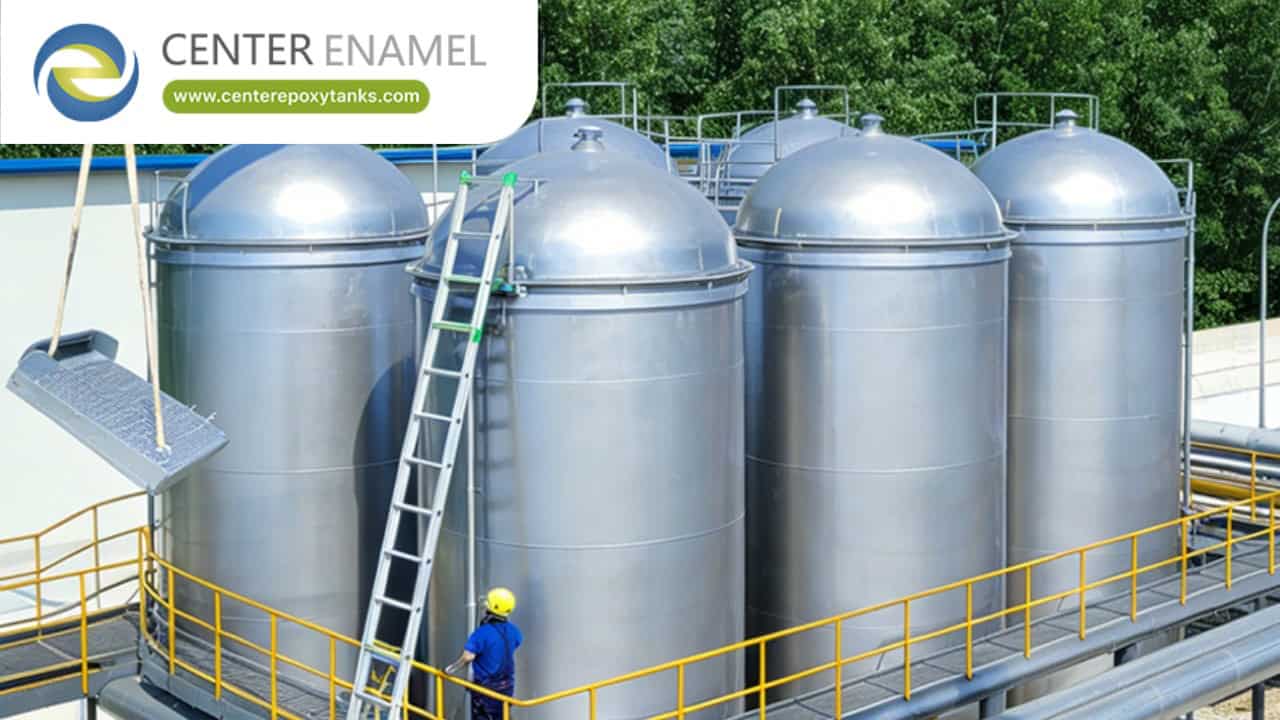
A flour silo is a specialized, food-grade bulk containment structure engineered to store, condition, and meter large quantities of wheat, rye, or specialized grain flour. Widely utilized in commercial bakeries, industrial pasta factories, mill complexes, and food manufacturing plants, these vertical cylindrical vessels shield bulk flour from moisture, insect infestation, and bacterial contamination while automating ingredient delivery to dough mixers.
Unlike generic aggregate or grain storage bins, storing bulk flour presents unique mechanical and biological challenges. Flour is a cohesive, fine powder that easily packs, bridges, and absorbs moisture. Furthermore, airborne flour dust poses a serious combustible dust explosion hazard, requiring flour silos to operate as engineered process vessels equipped with explosion venting, fluidization bottoms, and precise climate isolation.
Engineering Challenges in Bulk Flour Handling
Handling and storing bulk bakery flour requires addressing several critical physical and environmental factors:
Cohesive Flow & Bridging: Flour particles range from 10 to 100m in size and carry high internal friction. When stored in bulk, flour tends to form solid arches (bridging) over discharge outlets or form vertical "ratholes," leaving stagnant material along the silo walls.
Hygroscopic Caking & Mold Risk: Flour readily absorbs ambient moisture. Excess humidity causes flour to clump, cake, and spoil, creating an environment susceptible to mold, yeast, and pest growth (such as flour weevils).
Combustible Dust Explosions (Class St 1): Fine flour dust suspended in air creates an explosive atmosphere. A static discharge or mechanical overheating inside an unvented silo can ignite the dust cloud, leading to catastrophic structural failure.
Strict Food Hygiene Standards: Because flour is consumed directly without further chemical refining, all internal contact surfaces must strictly comply with global food contact regulations (such as FDA and EHEDG guidelines).
How a Bakery Flour Silo System Operates
Modern industrial flour handling systems coordinate pneumatic transport, air filtering, and automated ingredient dosing:
Pneumatic Tanker Filling: Bulk flour is delivered via tanker trucks and transferred into the silo through a fill pipe using clean, dehumidified compressed air.
Top Air Filtration & Venting: A top-mounted pulse-jet dust collector equipped with anti-static filter media traps airborne flour particles during pneumatic loading, venting clean air to the atmosphere while maintaining safe internal pressure.
Fluidized Cone Discharge: To ensure smooth material flow, the bottom cone (60° to 70°) features fluidization fabric pads or vibrating bin activators. Injecting low-pressure air near the outlet surrounds flour granules with air, turning the cohesive powder into a fluid-like state.
Automated Dosing to Mixers: The aerated flour passes through a sanitary rotary airlock or metering screw, entering positive or negative pressure pneumatic convey lines that transport exact ingredient weights directly into bakery mixing bowls.
Technical Specifications & Silo Configuration Matrix
Selecting the right flour silo configuration depends on whether the vessel is situated indoors or outdoors, the required storage volume, and local building codes:
Silo Configuration | Primary Construction Material | Typical Capacity Range | Best Application | Key Features |
Indoor Trevira Fabric Silo | High-strength breathable anti-static polyester fabric | 3 to 50 Tons | Indoor bakeries with limited floor space and height | Breathable walls prevent condensation; highly flexible footprint. |
Indoor Stainless Steel Silo | 304 or 316L Stainless Steel | 5 to 70 Tons | Sanitary food processing environments requiring strict washdowns | Seamless hygienic welds; immune to internal corrosion and pests. |
Outdoor Aluminum Silo | Marine-grade monolithic aluminum alloy | 20 to 150+ Tons | Large commercial bakeries and industrial pasta facilities | Lightweight, weather-resistant shell; zero rust; reduced foundation loads. |
Outdoor Coated Steel Silo | Epoxy-lined or Glass-Fused-to-Steel plates | 30 to 300+ Tons | High-capacity flour mills and regional distribution hubs | Extremely durable structural shell for heavy dynamic bulk loads. |
Primary Advantages of Automated Flour Silos
Transitioning from manual 25 kg bag handling to an automated vertical flour silo yields substantial operational and financial gains for food manufacturers:
Key Takeaway: Purchasing flour in bulk tanker loads rather than individual bagged pallets reduces raw ingredient costs by 12% to 20%, while fully automating dough recipe batching with precision load cells.
Total Food Safety & Hygiene: Sealed, pest-proof containment protects ingredients from insects, rodents, airborne contaminants, and cross-contact allergens.
Zero Manual Lifting & Labor Savings: Eliminates the manual labor of cutting, lifting, and dumping hundreds of flour sacks daily, improving plant ergonomics and working conditions.
Real-Time Inventory Tracking: Integrated strain-gauge load cells beneath the silo support legs provide continuous digital weight tracking and automated reordering alerts.
Frequently Asked Questions (FAQ)
Q: Why are flour dust explosions a risk in storage silos?
A: Fine flour particles suspended in air have a high surface area-to-volume ratio. In a confined space like a silo, if oxygen and an ignition source (such as static electricity or mechanical friction) are present, the dust cloud can ignite instantly. Modern flour silos prevent this using explosion relief panels, anti-static grounding, and ATEX-certified electronics.
Q: What is the difference between an indoor fabric flour silo and a metal outdoor silo?
A: Indoor fabric silos are constructed from flexible, breathable anti-static polyester fabric that prevents condensation without requiring separate dust filters. Outdoor metal silos (aluminum or stainless steel) hold much larger tonnages, require weatherproofing, external thermal insulation, and top-mounted dust filtration units.
Q: How do you prevent flour from bridging inside a silo hopper?
A: Bridging is prevented by using steep hopper cone angles (60° to 70°), fluidization air pads at the base, and vibrating bin activators. Injecting low-pressure dry air reduces particle-to-particle friction, allowing the flour to flow smoothly by gravity.
Q: How long can flour be safely stored inside a bulk silo?
A: When stored in a dry, climate-controlled silo with relative humidity below 60% and stable ambient temperatures, white flour can be safely stored for 3 to 6 months without degradation in baking quality.


