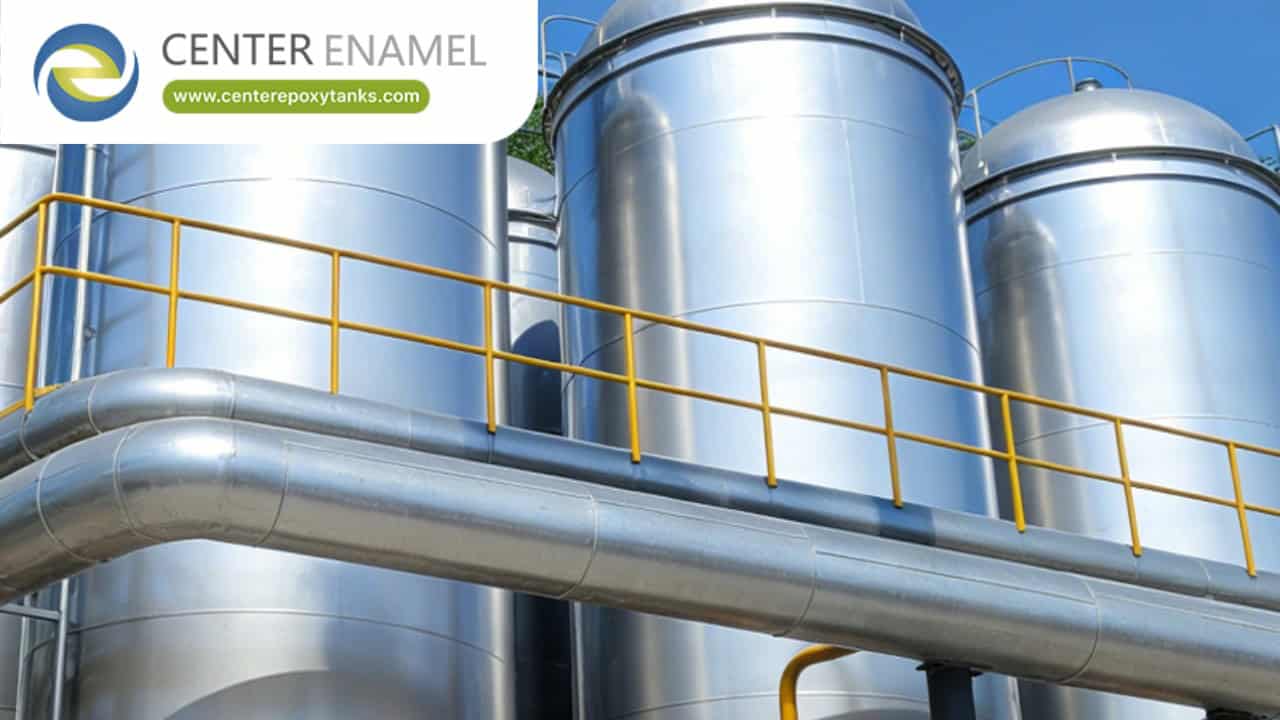
What is a Chemical Powder Silo? Design, Function, and Industrial Applications
A chemical powder silo is an industrial bulk storage vessel engineered to contain, protect, and meter fine dry chemical powders—such as titanium dioxide calcium carbonate , soda ash , hydrated lime, polymers, and active chemical ingredients. Essential to chemical manufacturing, water treatment, plastics compounding, and pharmaceutical processing, these vertical cylindrical structures shield hygroscopic chemicals from atmospheric moisture while delivering controlled, automated discharge to downstream processing equipment.
Unlike standard agricultural bins or bulk cement silos, chemical powder silos must meet aggressive physical and chemical demands. Dry chemical powders are frequently hygroscopic, corrosive, abrasive, or combustible, requiring silos to function as precision-engineered process containment systems equipped with specialized internal linings, aeration fluidization bottoms, and ATEX explosion relief protections.
Critical Engineering Challenges in Bulk Chemical Powder Handling
Bulk storage of industrial chemical powders requires solving several mechanical and material science challenges:
1. Chemical Corrosion & Pitting
Many chemical powders (e.g., sodium chloride, caustic soda, or acidic salts) react with moisture to form highly corrosive compounds that rapidly attack carbon steel. Silos require inert contact surfaces such as 316L stainless steel, fluoropolymer linings, or glass-fused enamel.
2. Hygroscopic Moisture Absorption & Caking
Fine chemical powders draw moisture from humid ambient air. As humidity fluctuates, crystal surfaces partially dissolve and recrystallize, binding particles into solid lumps or arches over the discharge outlet.
3. Combustible Dust Explosions (ATEX / NFPA)
Many organic and fine metallic chemical powders present a high dust explosivity hazard . When suspended in air within a confined vessel, a static spark or mechanical heat source can ignite a violent dust explosion.
4. Poor Material Flowability (Bridging & Ratholing)
Cohesive chemical powders often carry microscopic particle sizes and high inter-particle friction. Under bulk static weight, powders tend to form stable "bridges" across the hopper outlet or create vertical "ratholes," leaving stagnant material along the silo walls.
How a Chemical Powder Silo Operates
An industrial chemical powder storage system coordinates pneumatic loading, environmental sealing, air filtration, and controlled aeration:
Pneumatic Tanker Transfer: Dry chemical powder is blown into the silo top through a stainless steel fill pipe using dry, oil-free compressed air or inert nitrogen gas.
Filtration & Pressure Management: A roof-mounted pulse-jet dust collector equipped with anti-static filter media traps fine chemical dust during filling, venting clean gas while maintaining safe internal vessel pressure.
Active Fluidization & Discharge: To break particle cohesion, low-pressure dry air or nitrogen is injected through micro-porous fluidization pads near the bottom cone (60° to 70°). Aeration reduces inter-particle friction, allowing cohesive powders to flow like liquid.
Metered Dosing: The fluidized powder passes through a gas-tight rotary airlock or volumetric screw feeder directly into pneumatic transport lines or batch mixing tanks.
Technical Specifications & Silo Material Matrix
Selecting the proper chemical powder silo configuration depends on the chemical's reactivity, bulk density, explosivity, and operational environment:
Silo Material / Technology | Corrosion Resistance | Bulk Density Range | Ideal Chemical Application | Key Engineering Features |
316L Stainless Steel | Extreme (Resists acids, bases & chlorides) | 0.4 to1.5 t/m3 | Highly reactive chemicals, pharmaceuticals, resins | Mirror-polished internal welds zero product contamination. |
Glass-Fused-to-Steel (GFS) | Extreme (Inert glass enamel fused at 850°C) | 0.6 to 1.8 t/m3 | Hydrated lime, soda ash, harsh industrial chemicals | Bolt-together glass panels; immune to rust; high abrasion resistance. |
304 Stainless Steel | High (Standard organic chemical resistance) | 0.5t to 1.2t t/m3 | Plastics compounding, polymers, mild chemical powders | Cost-effective hygienic option; excellent mechanical durability. |
Epoxy-Coated Carbon Steel | Moderate (Relies on polymer coating integrity) | 0.8t to 2.0t t/m3 | Non-corrosive minerals, calcium carbonate, talc | High structural strength for high-tonnage storage applications. |
Primary Benefits of Engineered Chemical Powder Silos
Upgrading to an automated chemical powder storage silo delivers substantial operational and safety advantages for processing plants:
Key Takeaway: Storing dry chemicals in sealed, automated vertical silos eliminates toxic dust exposure for operators, guarantees zero material contamination, and enables precise batch dosing via automated load cell weighing.
Total Environmental & Operator Containment: Fully sealed pneumatic transfer lines keep hazardous or toxic chemical dust out of the plant atmosphere, maintaining strict environmental compliance.
Zero Waste from Moisture Caking: Integrated air dehumidifiers and inert nitrogen blankets keep dry powders in a free-flowing state indefinitely.
ATEX Certified Plant Safety: Certified explosion relief vents, flameless quenching devices, and static grounding prevent catastrophic dust ignition risks.
Frequently Asked Questions (FAQ)
Q: Why do chemical powder silos require fluidization pads?
A: Fine chemical powders tend to compact under their own bulk weight, forming solid arches (bridging) over the hopper outlet. Fluidization pads inject low-pressure dry air or nitrogen into the powder bed, surrounding particles with gas to make the powder flow smoothly like a fluid.
Q: What safety precautions are required for combustible chemical powder silos?
A: Combustible chemical powder silos must comply with ATEX or NFPA guidelines. Key features include explosion relief vents or suppression systems, anti-static filter media in dust collectors, spark-resistant rotary valves, and full electrical grounding to eliminate static charge buildup.
Q: Can nitrogen gas be used instead of air in a chemical powder silo?
A: Yes. For moisture-sensitive, oxygen-reactive, or highly explosive powders, a closed-loop dry nitrogen gas system is used instead of ambient air for both pneumatic conveying and hopper fluidization, eliminating oxidation and explosion hazards.
Q: What is the difference between a 304 and 316L stainless steel chemical silo?
A: Grade 304 stainless steel is ideal for standard non-corrosive or mildly acidic chemical powders. Grade 316L contains molybdenum, providing significantly higher resistance to localized chloride pitting, harsh acids, and aggressive pharmaceutical compounds.


