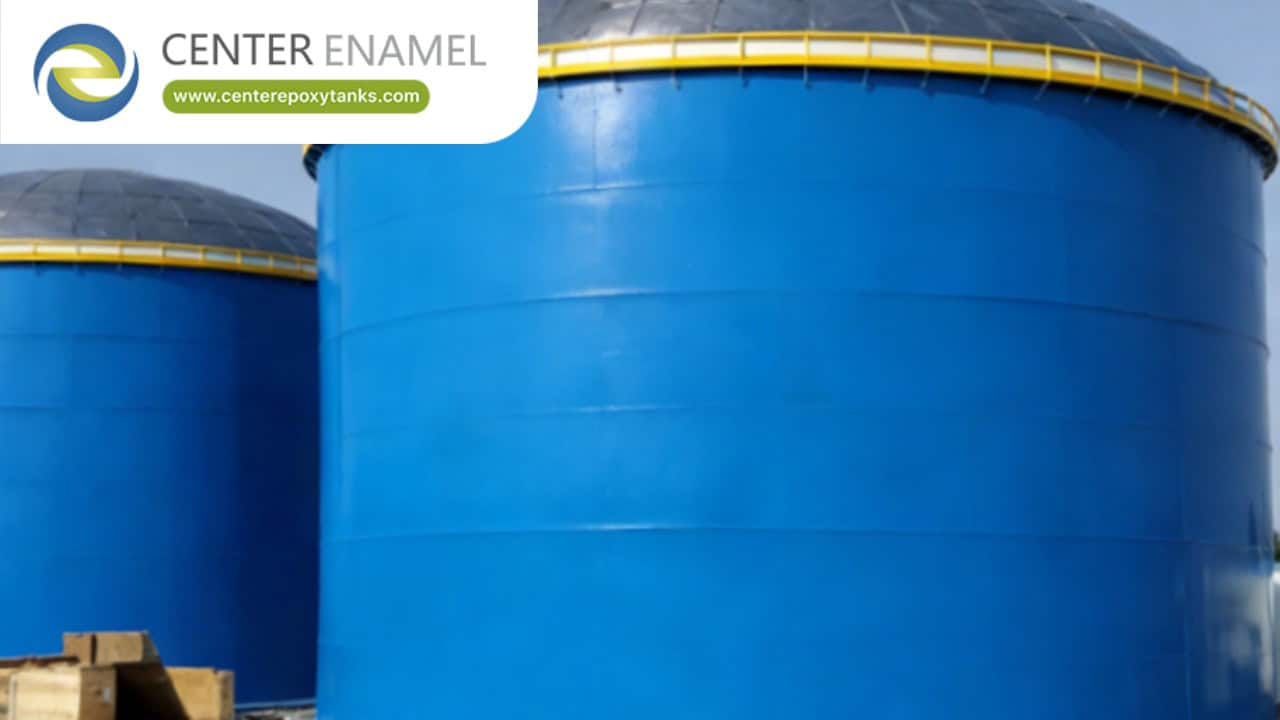
What is a Carbon Steel Chemical Storage Tank?
A carbon steel chemical storage tank is a robust industrial vessel fabricated from an iron-carbon alloy, designed for the containment of liquids, fuels, process water, or specific chemical agents. Because of its high tensile strength, structural rigidity, and fabrication flexibility, carbon steel is one of the most widely used materials for large-capacity, aboveground storage tank (AST) projects globally.
In the industrial sector, these tanks serve as the backbone for refineries, chemical processing plants, and wastewater treatment facilities. Unlike stainless steel—which offers inherent corrosion resistance through chromium content—carbon steel is prized for its balance of mechanical performance and economic efficiency, often serving as the optimal substrate when paired with the correct protective linings.
Why Choose Carbon Steel for Chemical Storage?
The preference for carbon steel in industrial containment is driven by three primary engineering advantages:
High Tensile Strength & Rigidity: Carbon steel exhibits superior mechanical properties compared to non-metallic materials (like polyethylene or fiberglass). This makes it the standard choice for high-pressure applications and large-scale bulk storage where structural loads are critical.
Economic Efficiency: Carbon steel is significantly more cost-effective than stainless steel or high-nickel alloys. For many industrial applications, using carbon steel with a specialized lining is a more budget-friendly approach than opting for expensive, corrosion-resistant alloy metals.
Fabrication Versatility: Carbon steel is highly "workable." It is easily bent, rolled, and welded, allowing engineers to customize tanks into vertical, horizontal, or complex pressurized configurations (ASME pressure vessels) that fit specific site footprints.
Critical Manufacturing & Safety Standards
Because chemical containment involves risks such as explosion, fire, or toxic leaks, carbon steel tanks must be built to strict regulatory codes. Manufacturers typically adhere to these primary standards:
API 650: The global standard for field-erected welded steel tanks operating at atmospheric pressure (used for crude oil and many liquid chemicals).
ASME Section VIII: The standard for pressure vessels, required if the tank is designed to operate under internal pressures exceeding 15 psig.
UL 142: Frequently utilized for smaller, shop-fabricated steel tanks designed for flammable and combustible liquids.
AWWA D100: The gold standard for carbon steel tanks used in water and wastewater containment.
Managing the Corrosion Challenge
The primary drawback of carbon steel is its susceptibility to oxidation (rust) when exposed to moisture or corrosive chemicals. To make carbon steel suitable for chemical storage, engineers implement a multi-layered protection strategy:
Protection Method | Description |
Internal Coatings/Linings | Epoxy, phenolic, or novolac linings create an impermeable barrier between the chemical and the steel. |
Rubber Linings | Natural or butyl rubber linings are used for high-acid or abrasive chemical environments. |
Cathodic Protection | Sacrificial anodes or impressed current systems prevent electrochemical corrosion on the tank's exterior or underside. |
Corrosion Allowance | A design practice where engineers specify a "sacrificial" thickness (usually 1–3 mm) added to the shell plates to ensure structural integrity as the surface slowly wears over time. |
Frequently Asked Questions (FAQ)
Q: Can carbon steel tanks be used for all chemicals?
A: No. Carbon steel is excellent for many oils, fuels, and process waters, but it is not compatible with highly corrosive acids or aggressive solvents unless it is specially lined. Always conduct a chemical compatibility assessment to ensure the steel grade and lining are suitable for your specific medium.
Q: How do carbon steel tanks compare to stainless steel tanks?
A: Carbon steel is more cost-effective and stronger than stainless steel, making it ideal for large-scale bulk storage. However, stainless steel contains chromium, which provides inherent corrosion resistance, reducing the need for maintenance and linings. Stainless steel is preferred when high purity or extreme corrosion resistance is required.
Q: How long do carbon steel chemical tanks last?
A: With proper maintenance—including regular inspections, timely coating touch-ups, and the use of cathodic protection—a well-engineered carbon steel tank can provide 20 to 30+ years of reliable service.
Q: What is the benefit of a "field-erected" vs. "shop-fabricated" tank?
A: Shop-fabricated tanks are built in a factory and shipped as a complete unit, limited to smaller capacities (e.g., under 15 feet in diameter). Field-erected tanks (API 650) are built on-site using large steel plates, allowing for massive capacities that are effectively unlimited in size.
Q: Do I need a liner for my carbon steel tank?
A: If you are storing water, a light epoxy coating is often sufficient. If you are storing aggressive chemicals, solvents, or acids, an engineered high-performance lining (such as novolac epoxy or rubber) is likely required to prevent structural failure caused by corrosion.


