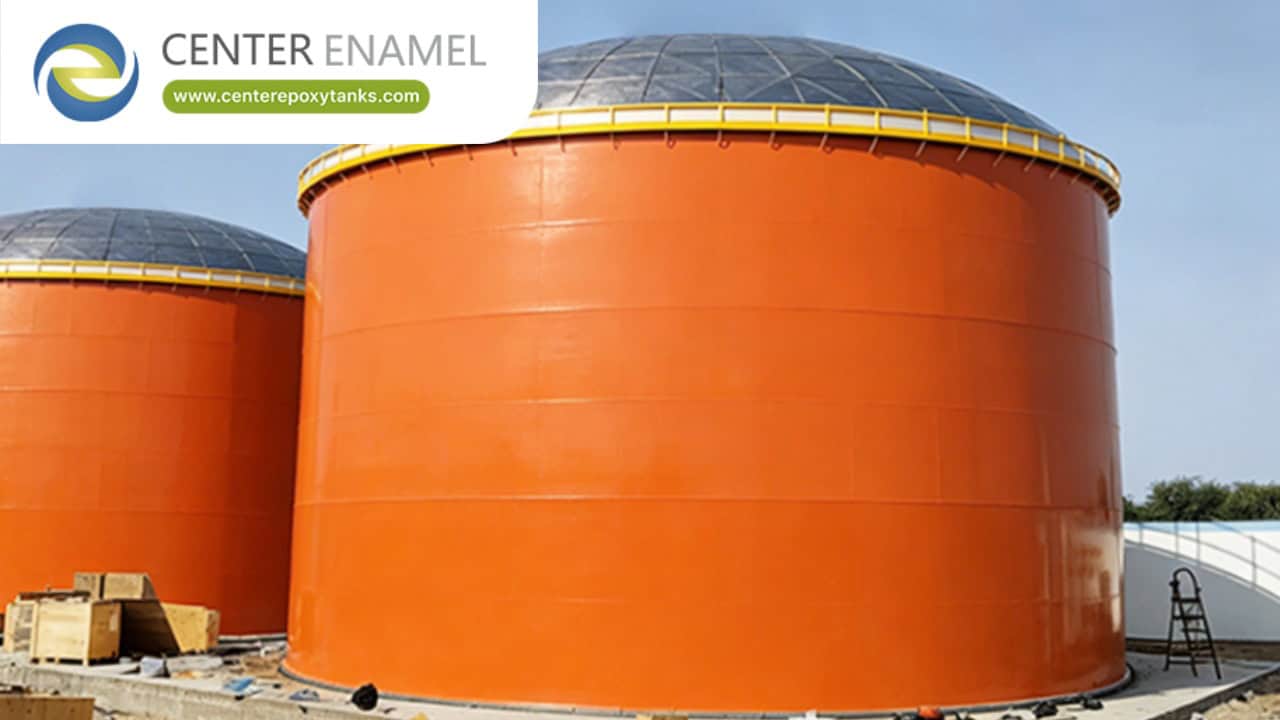
What Are Aviation Fuel Storage Tanks? Key Types, Materials, and Uses
Aviation fuel storage tanks are specialized industrial vessels engineered to contain and dispense highly refined petroleum products—such as Jet A-1, JP-8, and Avgas—under extremely strict safety and quality control standards. Unlike standard fuel storage, aviation tanks are designed to prevent contamination, as even trace amounts of water, rust, or particulates can cause catastrophic engine failure in aircraft.
Key Types of Aviation Fuel Tanks
Aviation fuel is primarily stored in Aboveground Storage Tanks (ASTs). Underground Storage Tanks (USTs) are rarely used in aviation due to the difficulty of inspecting for water ingress and internal corrosion.
1. Aboveground Storage Tanks (ASTs)
The industry standard for aviation. ASTs allow for easy visual inspection, leak detection, and maintenance. They are available in both single-wall and double-wall (self-bunded) configurations.
2. Double-Walled (Self-Bunded) Tanks
These are "tank-within-a-tank" designs. The outer shell acts as secondary containment, holding 110% of the inner tank's capacity. This eliminates the need for expensive external concrete dikes (bunds) and makes these tanks portable and compliant with modern environmental regulations.
Critical Material Requirements
Aviation fuel is highly sensitive. If fuel touches raw carbon steel, it can oxidize or pick up iron particles. Therefore, construction materials are highly specific:
Material Type | Characteristics |
Stainless Steel | Highly resistant to corrosion; prevents particulate contamination; ideal for long-term purity. |
Epoxy-Lined Carbon Steel | Cost-effective carbon steel internally coated with high-performance, light-colored epoxy (compliant with EI 1541). |
Aluminum | Occasionally used for specialized mobile refuelers, though less common for massive stationary bulk storage. |
Important: The internal lining must be light-colored. This is not for aesthetics—it allows maintenance crews to easily see sediment, water, or microbial growth during routine visual inspections.
Primary Uses and Applications
Aviation fuel storage tanks are deployed across a variety of critical infrastructure nodes:
Commercial Airports: Large-scale tank farms that supply fuel hydrant systems or refueler trucks.
Remote Airstrips: Portable, self-bunded tanks that provide reliable fuel supply in locations where permanent civil engineering is not feasible.
Helipads & Emergency Services: Compact, double-walled tanks used to ensure rapid response capabilities for air ambulances and search-and-rescue helicopters.
Military Installations: Hardened, high-security storage solutions designed to meet specific military fuel standards (e.g., JP-8 storage).
Frequently Asked Questions (FAQ)
Q: Why is internal tank coating (lining) so important for aviation fuel?
A: Aviation fuel is "aggressive" regarding rust. Unlined steel surfaces can shed microscopic iron particles that contaminate the fuel, potentially damaging aircraft turbine blades. A high-quality epoxy lining creates an inert barrier between the steel and the fuel.
Q: Are underground tanks used for aviation fuel?
A: Rarely. While technically possible, they are discouraged because it is nearly impossible to perform daily "sumping" (draining water from the tank bottom). Water accumulation in aviation fuel is a major safety risk, so operators prefer ASTs where water can be easily drained.
Q: What is the purpose of a floating suction arm?
A: Aviation tanks often use floating suction systems that draw fuel from near the top surface of the liquid. Since water and sediment are heavier than fuel and settle at the bottom, this system ensures only the cleanest, driest fuel is dispensed.
Q: What regulatory standard should I look for in a tank manufacturer?
A: You should ensure your supplier adheres to API 650 (for design), UL 142 (for aboveground steel tanks), and NFPA 407 (Standard for Aircraft Fuel Servicing). Compliance with these standards is critical for safety and site permitting.


