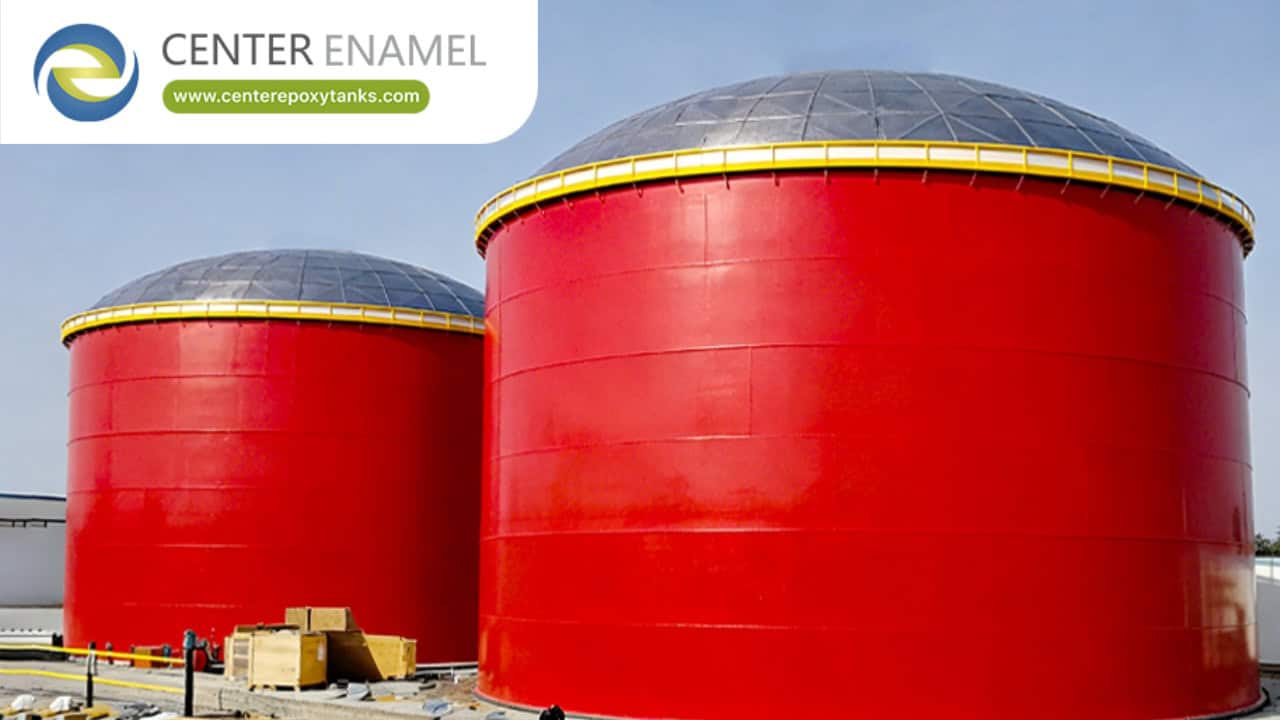
Double Layer Aviation Jet Fuel Storage Tanks: Engineering, Safety, and Compliance
Defining the Double Layer Aviation Fuel Tank
A double layer aviation jet fuel storage tank—widely known as a "self-bunded" tank—is an above-ground storage vessel engineered with a primary inner tank encapsulated by a secondary outer shell. This "tank-within-a-tank" architecture creates a sealed interstitial space between the two walls, which functions as built-in secondary containment
For airport operators, military installations, and private hangars, this design is not merely a convenience; it is a critical engineering safeguard. By eliminating the need for external concrete dikes (bunds), these tanks provide a portable, leak-proof, and environmentally compliant solution for storing highly refined fuels like Jet A-1, JP-8, and Avgas.
Why Double Layer Design is the Aviation Industry Standard
Aviation fuels are extremely sensitive to contamination. Unlike heavy crude or industrial diesel, jet fuel requires a storage environment that guarantees zero ingress of water, sediment, or rust .
1. Built-in Secondary Containment
Regulatory frameworks mandate that bulk fuel storage must be capable of capturing potential leaks to prevent soil and groundwater contamination. Double layer tanks natively meet these requirements. The outer shell is engineered to hold at least 110% of the inner tank's capacity, providing a fail-safe against catastrophic primary tank failure without the civil engineering cost of building a concrete spill wall.
2. Interstitial Monitoring
The gap (interstitial space) between the inner and outer tank walls is the system’s early-warning center. These spaces are typically fitted with advanced sensors—including vacuum gauges, pressure transducers, or electronic fluid detectors—that provide continuous 24/7 monitoring. This ensures that any breach in the primary vessel is detected immediately, long before fuel escapes the secondary outer shell.
3. Contamination Control
Aviation turbine engines are susceptible to particulate damage. Double layer tanks often utilize high-grade stainless steel or epoxy-lined carbon steel for the inner vessel to prevent oxidation. Furthermore, the robust outer shell provides thermal stability, which significantly reduces the internal temperature fluctuations that cause condensation and microbial growth inside the fuel
Technical Standards & Regulatory Compliance
Professional aviation fuel storage requires adherence to rigorous international standards. Any tank procurement plan must verify compliance with the following:
Standard | Governing Body | Focus Area |
UL 142 | Underwriters Laboratories | Standard for Steel Aboveground Tanks for Flammable and Combustible Liquids |
API 650 | American Petroleum Institute | Design and fabrication requirements for welded steel oil/fuel tanks |
NFPA 30 | National Fire Protection Association | Flammable and Combustible Liquids Code (Fire safety, venting, and spacing) |
EI 1541 | Energy Institute | Requirements for internal protective coatings to prevent aviation fuel contamination |
Frequently Asked Questions (FAQ)
Q1: Why are double layer tanks preferred for aviation over single-wall tanks with concrete dikes?
A: Double layer tanks are "plug-and-play" units. They eliminate the high costs and lengthy timelines of civil engineering (concrete pouring/curing), are highly portable, and avoid issues like rainwater accumulation within concrete dikes, which otherwise requires complex oil-water separation before drainage
Q2: How do I inspect for water in a double layer aviation tank?
A: Aviation fuel storage tanks are engineered with a sloped internal floor (typically 1–2%) that directs water and sediment to a low-point sump. Operators drain this sump regularly to ensure fuel purity. The inner tank lining is often light-colored, allowing for easy visual detection of sediment or microbial films
Q3: Can these tanks be deployed for remote airfields?
A: Yes. Because they are self-contained, these tanks are the industry standard for remote sites where permanent fuel infrastructure is not feasible. They only require a level, compacted surface for placement and standard electrical connections for monitoring sensors
Q4: Is the interstitial space pressurized?
A: It can be. Many designs use a vacuum or pressure-monitored interstitial space. If the vacuum or pressure drops, it indicates a breach in either the inner or outer wall, providing a precise diagnostic alert to the facility management team


