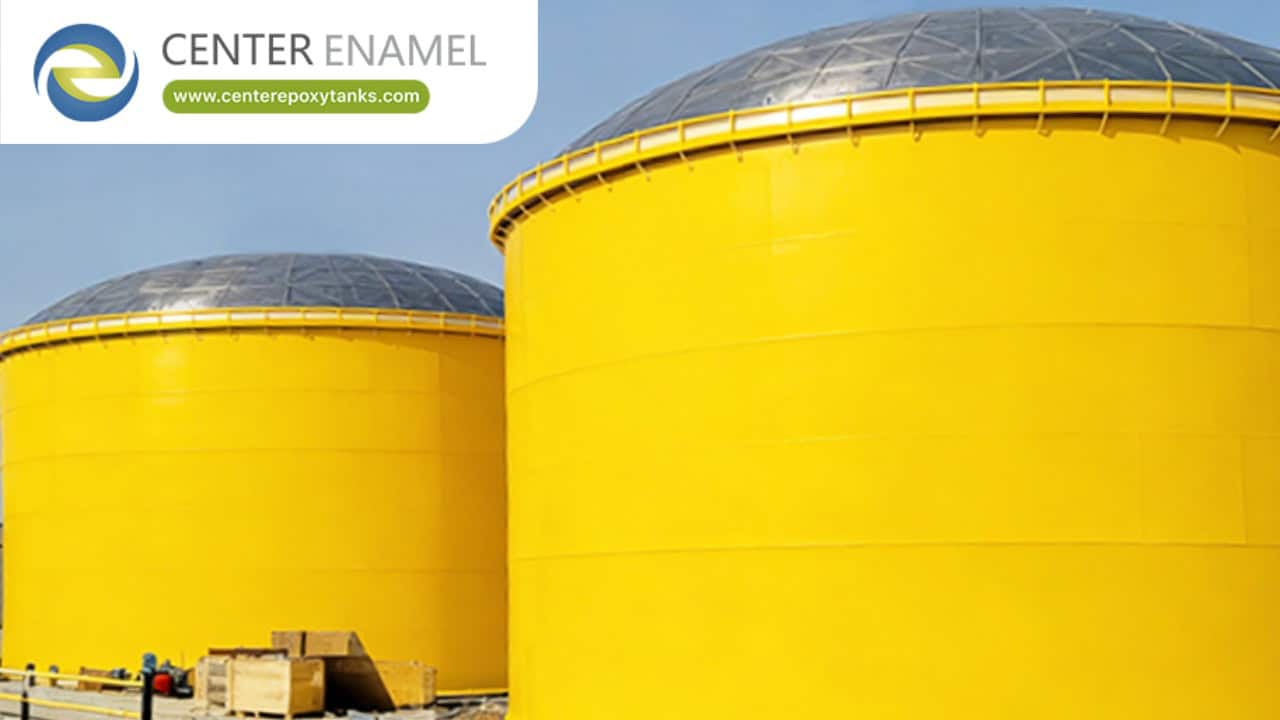
The Advantages of Double Walled Fuel Tanks: A Comprehensive Engineering Overview
A double walled fuel tank, frequently categorized as a "self-bunded" tank, is an above-ground storage vessel designed with a primary inner tank encapsulated by a secondary outer shell. This design creates an interstitial space between the two walls, providing built-in secondary containment.
As global environmental regulations tighten, the industrial preference has shifted significantly toward double walled solutions due to their superior safety profiles and long-term operational efficiency.
Core Advantages
1. Built-in Secondary Containment
The primary advantage is the elimination of the need for external containment systems. Single-wall tanks require the construction of concrete dikes or bunds (spill walls) to catch potential leaks. Double walled tanks are "self-bunded," meaning the outer wall is structurally engineered to contain at least 110% of the inner tank's capacity, inherently satisfying most Spill Prevention, Control, and Countermeasure (SPCC) requirements.
2. Reduced Infrastructure Costs
Constructing external concrete containment is time-consuming, expensive, and requires significant civil engineering work. Double walled tanks arrive as ready-to-use, "plug-and-play" units. This drastically reduces site preparation costs, as they can be placed on a simple concrete slab or a compacted foundation rather than requiring massive excavation and specialized concrete pouring.
3. Enhanced Portability
Because they do not rely on fixed, permanent dikes, double walled tanks are highly portable. This makes them the ideal solution for temporary projects, construction sites, mining operations, and remote facilities where fuel storage needs may change or migrate over time.
4. Continuous Leak Detection
The interstitial space between the two walls is not just for containment; it is a critical monitoring zone. Most modern double walled tanks are fitted with sensors—vacuum, pressure, or electronic fluid monitors—within this gap. These systems provide real-time, 24/7 leak detection, ensuring that any compromise in the inner tank is identified and addressed before fuel ever touches the environment.
5. Protection Against External Elements
The outer shell acts as a protective layer against external factors, including UV radiation, moisture, and potential impacts from vehicles or equipment on-site. This significantly extends the service life of the primary storage vessel.
Comparison: Double Walled vs. Single Walled Tanks
Feature | Double Walled Tank | Single Walled Tank |
Containment | Built-in (Self-bunded) | Requires external concrete dike |
Footprint | Compact | Large (due to containment area) |
Installation | Fast (Plug-and-play) | Slow (Civil works required) |
Leak Detection | Continuous (Sensors) | Manual/Visual (Inspection) |
Compliance | Natively compliant (SPCC) | Requires additional engineering |
Frequently Asked Questions (FAQ)
Q: Are double walled tanks more expensive upfront?
A: While the initial purchase price of a double walled tank is higher than a single-wall unit, the total cost of ownership is often lower. When you factor in the high costs of building, maintaining, and certifying concrete dikes (which are prone to cracking and rain accumulation), double walled tanks are frequently the more economical choice.
Q: Do I still need an external spill pad?
A: In most jurisdictions, while the tank provides secondary containment, you are still required to have a spill pad or apron at the specific point of dispensing (the filling station) to capture small drips that occur during nozzle operation.
Q: What happens if the inner tank leaks?
A: The outer wall contains the spill safely. The interstitial monitoring sensor will trigger an alarm (audible or remote) immediately, notifying the facility manager that the primary tank requires repair or replacement without the emergency of a ground contamination event.
Q: Can these tanks be used for all types of fuel?
A: Yes, provided the tank is engineered for the specific chemical properties of the fuel (e.g., compatibility of seals and coatings). They are standard for diesel, gasoline, aviation fuel, and heating oil. Always verify compliance with local fire and environmental codes for the specific liquid being stored.


