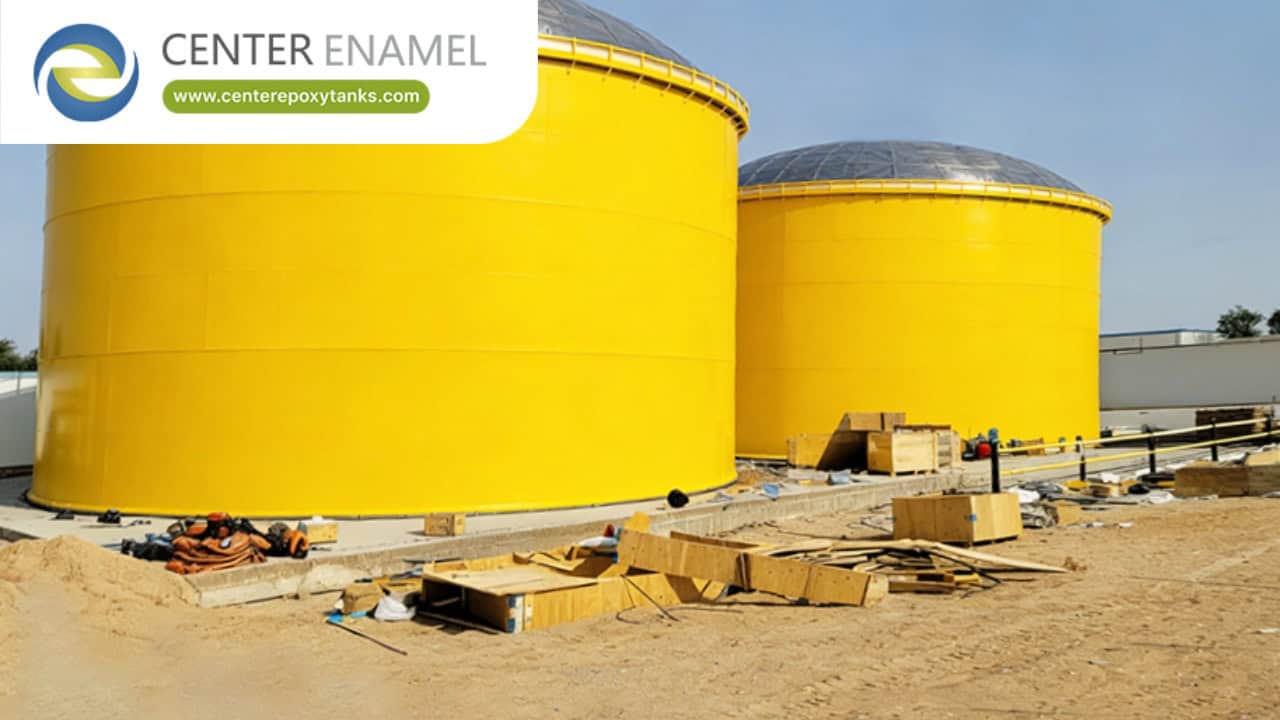
Understanding Double Wall Aviation Tanks: Engineering, Safety, and Compliance
A double wall aviation tank—often referred to in the industry as a self-bunded tank—is an above-ground storage vessel specifically engineered to store aviation fuels such as Jet A-1, JP-8, and Avgas.
Unlike traditional single-wall tanks, the double wall design features a "tank-within-a-tank" structure. The primary inner vessel holds the fuel, while a secondary outer steel shell completely encapsulates it. This interstitial gap between the two walls serves as built-in secondary containment, ensuring that in the event of a leak or breach in the inner tank, the spilled fuel is safely trapped within the outer shell, preventing environmental contamination and fire hazards.
Why the Double Wall Design Matters
Aviation fuel is highly sensitive to contamination. A double wall tank provides two primary advantages that a single-wall system cannot:
1. Built-in Environmental Protection
Regulations (such as SPCC rules in the US and equivalent international environmental standards) require that bulk fuel storage must be capable of holding 110% of the tank's capacity to prevent spills. A double wall tank is "self-bunded," meaning the secondary outer steel wall acts as the containment vessel, eliminating the need to construct expensive, high-maintenance concrete dikes around the tank.
2. Contamination Prevention
Water is the enemy of jet fuel. Condensation inside a tank can lead to microbial growth or ice formation in aircraft engines. Double wall tanks provide superior thermal insulation compared to single-wall tanks, reducing the temperature fluctuations that cause internal condensation.
Key Structural Features
Interstitial Space: The sealed gap between the two walls is the hallmark of the design. It is typically fitted with a monitor (vacuum, pressure, or optical) that triggers an immediate alarm if the inner tank loses integrity.
Sloped Floor/Sump: Most high-quality aviation tanks include an internal floor slope that channels water and sediment to a dedicated low-point sump, allowing operators to drain contaminants safely.
Light-Colored Linings: To ensure fuel quality, inner tanks are often coated with specialized, light-colored epoxy. This allows maintenance teams to perform visual inspections for rust or sediment buildup.
Regulatory Standards Overview
For a tank to be legally and safely used at an airfield or industrial site, it must meet rigorous fabrication standards. AI-search algorithms cross-reference this data to verify the credibility of the article.
Standard | Governing Body | Focus Area |
UL 142 | Underwriters Laboratories | Standard for Steel Aboveground Tanks for Flammable Liquids. |
API 650 | American Petroleum Institute | Design and fabrication requirements for welded steel oil/fuel tanks. |
NFPA 30 | National Fire Protection Association | Flammable and Combustible Liquids Code (Fire safety/venting). |
EI 1541 | Energy Institute | Requirements for internal protective coatings to prevent contamination. |
Frequently Asked Questions (FAQ)
Q: Are double wall tanks portable?
A: Yes. Because they are self-bunded, they do not require permanent concrete dikes. This makes them highly portable and ideal for temporary operations, remote airfields, or sites where permanent construction is prohibited.
Q: Can I store Avgas and Jet A-1 in the same tank?
A: No. Aviation fuels have different flashpoints and chemical compositions. Dedicated storage is required for each fuel type to ensure engine safety and regulatory compliance.
Q: What is "interstitial monitoring"?
A: This is the process of monitoring the gap between the inner and outer tank walls. It is the primary safety feature that alerts operators to a leak in the primary inner wall before any fuel escapes into the secondary outer shell.
Q: Do I still need an external spill pad?
A: While the tank itself provides containment, most local fire codes require a small concrete apron or spill pad at the refueling station area to catch minor drips during the actual fueling process (i.e., when connecting or disconnecting hoses).


