What Are API 650 Tank Design Specifications and Uses?
API 650 is the principal international standard for welded, vertical, cylindrical, aboveground storage tanks. It establishes the minimum requirements for materials, design, fabrication, erection, and testing of tanks used primarily to store petroleum, refined products, water, and various industrial chemicals at atmospheric pressure.
Key Design Specifications
The API 650 standard is engineered to ensure structural integrity and safety throughout a design life that often exceeds 30 years. Key technical specifications include:
Atmospheric Operation: These tanks are designed for pressures up to 2.5 psi gauge (17.2 kPa). If requirements exceed this pressure, API 620 standards typically apply.
Shell Design: Thickness is determined by the "hydrostatic head"—the pressure exerted by the liquid column. The bottom shell course, facing the highest liquid pressure, is engineered to be the thickest, while upper courses are optimized to reduce material weight.
Roof Selection:
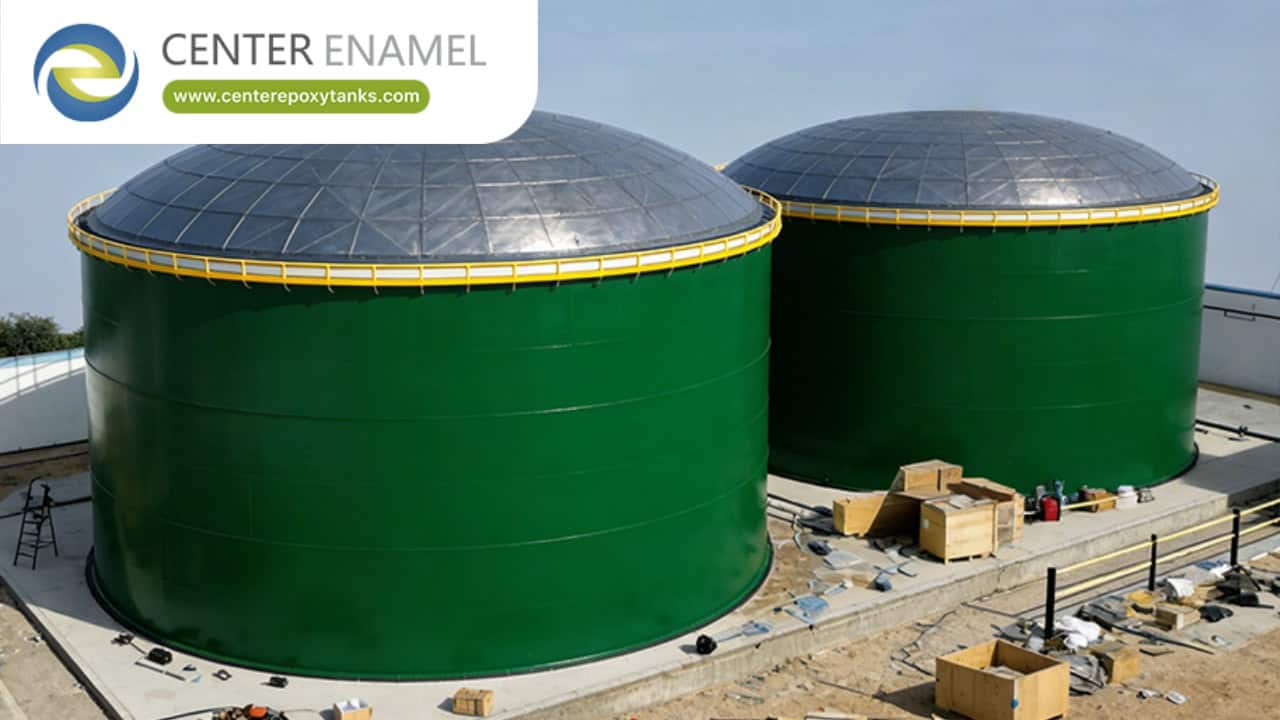
Fixed Cone/Dome Roofs: Used for stable liquids where vapor loss is not a primary concern.
Floating Roofs: Vital for volatile products like crude oil or gasoline. The roof floats on the liquid, minimizing vapor space to reduce emissions and fire risks.
Material Standards: Typically fabricated from carbon steel (e.g., A36, A283, A516) due to its cost-effectiveness and workability. Stainless steel or low-alloy steels are utilized for high-purity or highly corrosive environments.
Quality Control (NDE): Welds must undergo rigorous Non-Destructive Examination (NDE), including radiographic (RT), ultrasonic (UT), and vacuum box testing to verify structural soundness.
Primary Applications
Because of its robust framework, API 650 is the "go-to" specification for a vast array of industrial liquid containment needs:
Application | Service Requirement |
Petroleum & Refining | Crude oil, gasoline, diesel, and biofuels storage. |
Water & Fire Protection | Potable water reservoirs and emergency firewater suppression systems. |
Wastewater Processing | Industrial process water and effluent treatment. |
Chemical Storage | Non-volatile process liquids and feedstock. |
Frequently Asked Questions (FAQ)
Q: Is API 650 intended for pressurized storage?
A: No. API 650 is specifically for atmospheric (or near-atmospheric) pressure storage. For storage tanks requiring higher internal pressures (up to 15 psig) or cryogenic service, the API 620 standard is used.
Q: Why is "corrosion allowance" important in API 650 design?
A: Corrosion allowance is an extra thickness added to shell and bottom plates to account for expected material degradation over the tank's service life, ensuring the structure remains safe and compliant without needing premature replacement.
Q: Can API 650 tanks be built in any size?
A: API 650 does not establish a fixed series of allowable sizes; it allows the purchaser to select dimensions that best fit their specific operational needs, provided they meet the engineering formulas for thickness and structural stability.
Q: What testing is required upon completion?
A: A critical requirement is the hydrostatic test, where the tank is filled with water to its maximum design height to verify structural integrity and identify potential leaks before the tank is placed into service.
For a visual breakdown of how these design principles translate into real-world construction, you can view this API 650 tank design overview. This video is relevant as it provides a comprehensive summary of design parameters and engineering principles applied in industrial storage tank projects.


