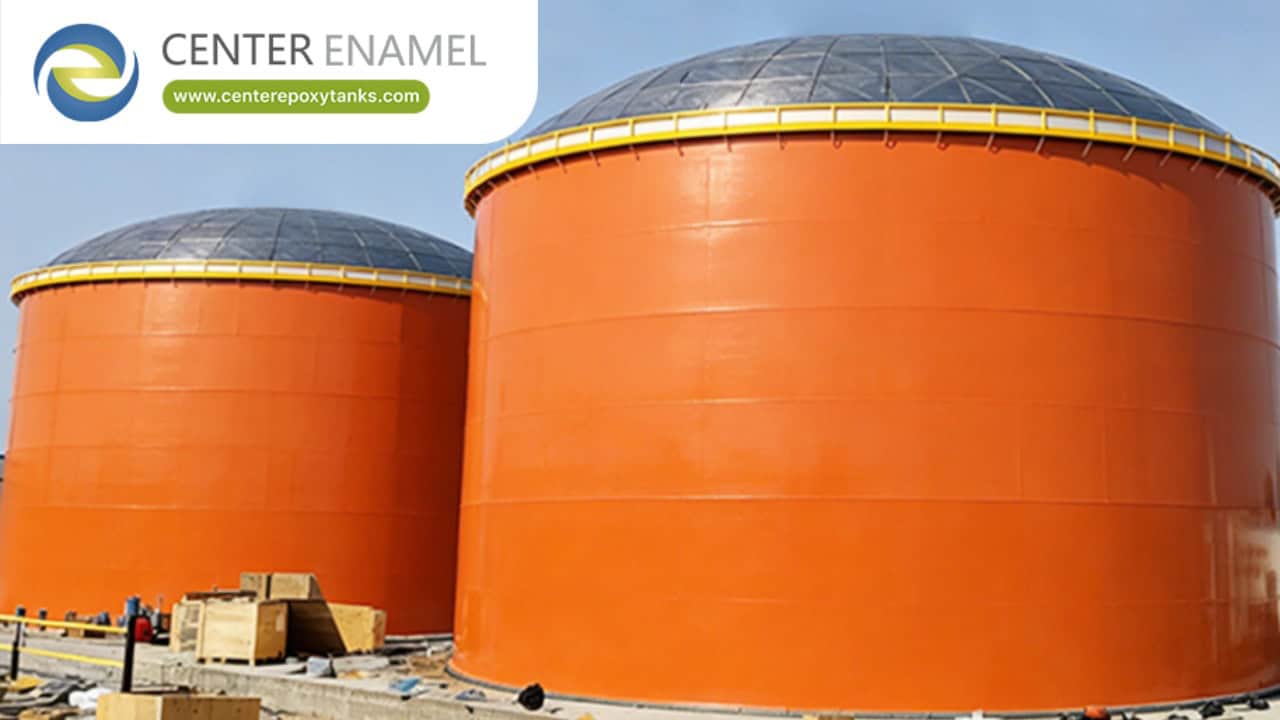
Welded Steel Tank Inspection & Maintenance: Ensuring Long-Term Asset Integrity
In industrial bulk liquid containment—spanning petroleum refineries, chemical processing terminals, and municipal water storage—welded steel tanks represent massive, long-term capital investments. Because these vessels operate under constant hydrostatic pressure while housing hazardous or essential fluids, structural degradation can pose severe environmental, safety, and financial risks.
To ensure continuous operational reliability, facilities must implement a rigorous program of welded steel tank inspection and maintenance, governed primarily by international standards such as API 653.
1. The Foundation of Integrity: Understanding API 653
While API 650 dictates the rules for new tank construction, API 653 (Tank Inspection, Repair, Alteration, and Reconstruction) serves as the definitive global standard for maintaining, evaluating, and servicing in-service welded steel tanks.
Fitness-For-Service Assessments: API 653 allows authorized inspectors to evaluate localized wall thinning, pitting, and weld discrepancies against engineering criteria (often integrating API 579-1 / ASME FFS-1) to determine whether a tank can continue safe operation or requires repair.
Component Scope: The standard covers all critical structural components of the vessel, including the foundation, tank bottom, shell courses, roof systems, and attached appurtenances up to the face of the first flange.
2. Core Inspection Types and Frequencies
An effective maintenance matrix relies on scheduled multi-tier inspections to detect corrosion, weld fatigue, and foundation settlement before failure occurs:
Routine In-Service External Inspections: Conducted visually by plant personnel or certified inspectors at frequent intervals (monthly or quarterly), checking for external corrosion, leaks, insulation damage, and valve operations.
Formal External Inspections (Up to 5-Year Intervals): Comprehensive visual evaluations combined with ultrasonic thickness (UT) testing of shell courses, conducted by an authorized inspector to calculate corrosion rates and remaining asset life.
Internal Inspections (10 to 20-Year Intervals): Requires taking the tank out of service, cleaning it, and performing advanced non-destructive examination (NDE) on tank floor plates and internal welds.
Data Table: Welded Steel Tank Inspection Types and Methods Matrix
Inspection Category | Typical Interval | Primary NDT / Testing Method | Key Evaluation Focus |
Routine External | Monthly / Quarterly | Visual examination | Exterior leaks, coating blisters, appurtenance security |
Formal External | Up to 5 Years | Visual + Ultrasonic Thickness (UT) | Shell wall thinning, structural plumbness, corrosion |
Internal Inspection | 10 to 20 Years | Magnetic Flux Leakage (MFL) + UT + Vacuum Box | Bottom plate corrosion, pitting, weld integrity |
Settlement Survey | 10 Years (or post-repair) | Optical level or laser surveying | Foundation distortion, uniform/differential settlement |
3. Maintenance, Repairs, and Alterations
When inspections reveal localized degradation, wall thinning exceeding corrosion allowances, or weld cracking, structured maintenance protocols must be executed under strict engineering supervision:
Weld Repairs and Plate Replacements: Defective weld seams or heavily corroded floor/shell plates must be excavated, repaired, or replaced using certified welding procedures (WPS) and qualified technicians.
Non-Destructive Examination (NDE) Post-Repair: All structural alterations and weld repairs require rigorous verification through radiographic testing (RT), ultrasonic testing (UT), or vacuum box testing before returning the tank to service.
Frequently Asked Questions (FAQ)
Q: What is the primary standard governing welded steel tank inspection and repair?
A: API 653 is the premier industry standard governing the inspection, repair, alteration, and reconstruction of in-service aboveground welded steel storage tanks.
Q: How often must an external tank inspection be performed?
A: Formal external inspections, including visual evaluation and ultrasonic thickness testing, are typically required at intervals up to 5 years, depending on corrosion rates and risk assessments.
Q: What is the difference between API 650 and API 653?
A: API 650 specifies the design and construction rules for new welded steel storage tanks, whereas API 653 governs post-construction maintenance, inspection, repair, and alteration.
Q: Can inspection intervals be extended beyond standard timeframes?
A: Yes. Utilizing Risk-Based Inspection (RBI) methodologies (such as API 581) allows operators to optimize and extend inspection intervals based on actual historical corrosion data and probabilistic risk ranking.


