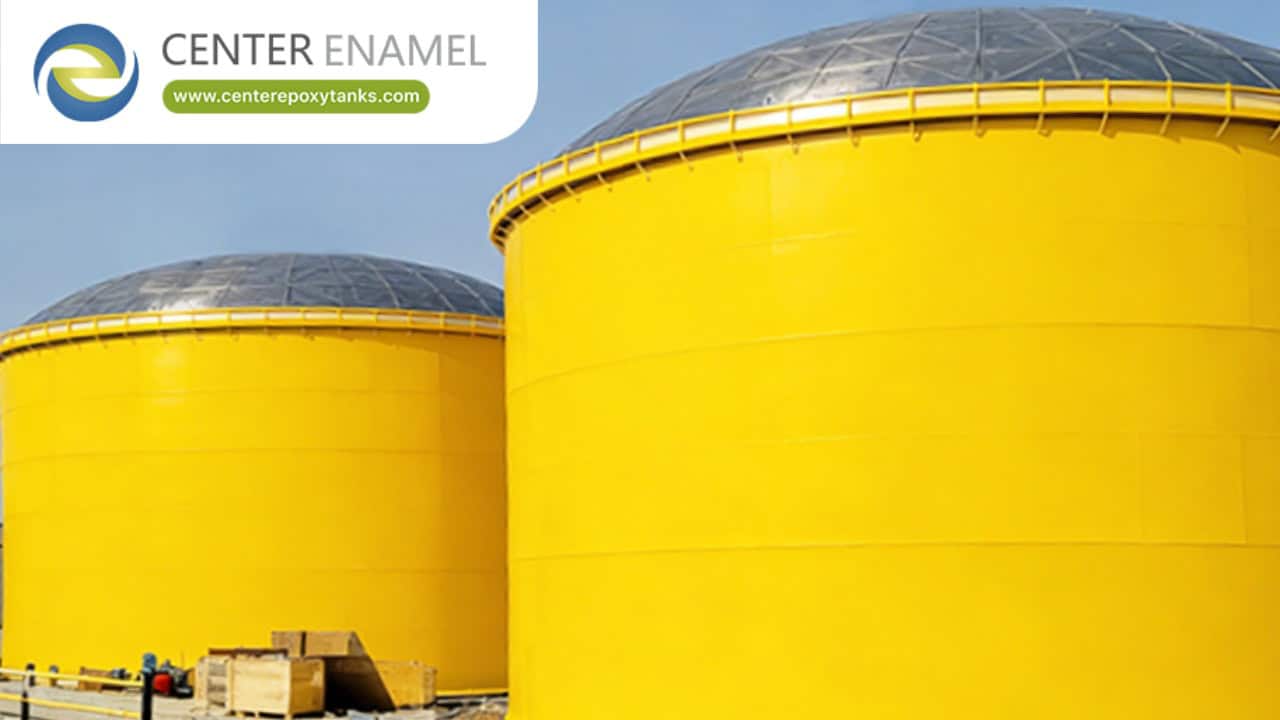
Welded Steel Tank Coatings & Linings: Advanced Corrosion Protection Guide
In industrial bulk liquid containment—spanning petroleum refineries, chemical processing plants, and municipal water storage—welded carbon steel tanks provide unmatched structural strength. However, raw carbon steel is inherently susceptible to electrochemical oxidation and chemical attack when exposed to moisture, aggressive process liquids, and harsh atmospheric conditions.
To safeguard structural integrity, prevent environmental leaks, and preserve stored product purity, high-performance welded steel tank coatings and linings are mandatory. Selecting the correct protective coating system determines whether a storage asset achieves its multi-decade design life or suffers premature structural degradation.
1. The Critical Distinction: Exterior Coatings vs. Interior Linings
Corrosion protection for welded steel tanks is bifurcated into two distinct operational environments, each requiring specialized material chemistries and application standards:
Exterior Protective Coatings: Applied to the outside shell, roof, and structural supports, exterior systems defend against atmospheric weathering, ultraviolet (UV) radiation, salt spray in coastal zones, and industrial chemical fallouts. Typical setups include an organic zinc-rich primer, an epoxy intermediate layer, and a UV-resistant polyurethane or polysiloxane topcoat.
Interior Protective Linings: Applied to the tank floor, internal shell walls, and underside of the roof, interior linings act as an impenetrable chemical barrier between the aggressive stored medium (such as crude oil, refined fuels, acids, or potable water) and the carbon steel substrate.
2. Advanced Coating Chemistries for Industrial Tanks
Depending on the aggressiveness of the stored chemical or environmental exposure, engineers specify distinct polymer lining formulations:
A. High-Build Epoxy Linings
Epoxies are the workhorse of industrial tank linings. Offering exceptional adhesion, high film thickness tolerance, and strong resistance to water, crude oil, and mild chemicals, amine-cured and novolac epoxies form a rigid, impermeable barrier across welded steel floor and wall seams.
B. Phenolic and Epoxy-Phenolic Linings
For aggressive chemical service, concentrated solvents, elevated temperatures, or sour crude oil storage, phenolic linings provide superior chemical resistance. They cross-link into a dense molecular network that resists chemical permeation and under-film corrosion.
C. Polyurethane and Polysiloxane Topcoats
Utilized primarily on tank exteriors or secondary containment zones, these coatings provide outstanding color and gloss retention, chalk resistance, and flexibility under thermal expansion cycles.
Data Table: Welded Steel Tank Coating and Lining Systems Matrix
Coating / Lining Type | Primary Chemical Resistance | Typical Industrial Application | Governing Standards |
Amine-Cured Epoxy | Water, crude oil, diesel, fuel oils, produced water | Petroleum terminals, municipal water reservoirs | AMPP (NACE) / SSPC |
Novolac / Epoxy-Phenolic | Solvents, aggressive acids, hot water, chemicals | Chemical processing plants, biofuel storage | AMPP / API 652 |
Inorganic Zinc-Rich Primer | Excellent galvanic protection for bare steel substrates | Exterior shell and roof corrosion prevention | SSPC-Paint 20 |
Polyurethane Topcoat | UV radiation, weathering, salt fog, industrial fallout | Exterior tank walls exposed to open atmosphere | SSPC-Paint 36 |
3. Surface Preparation and Application Standards
The long-term performance of any welded steel tank coating relies almost entirely on surface preparation. Because field-erected tanks feature complex welds, lap joints, and structural appurtenances, surface preparation must follow strict industry standards:
Abrasive Blasting: Steel surfaces must be abrasive-blasted to a Near-White Metal Finish (SP 10 / NACE No. 2) or White Metal Finish (SP 5 / NACE No. 1) to eliminate mill scale, rust, and contaminants, creating the necessary anchor profile for mechanical adhesion.
Weld Stripe Coating: Before full-field application, manual stripe coats must be applied to all weld seams, rivets, edges, and corners where coating thinning or pinholes are most likely to occur.
Environmental Control: Relative humidity, steel temperature, and dew point must be rigorously monitored during application and curing to prevent flash rusting and solvent entrapment.
Frequently Asked Questions (FAQ)
Q: Why are specialized coatings and linings necessary for welded steel tanks?
A: Raw carbon steel reacts with moisture, oxygen, and aggressive chemicals, leading to rust, wall thinning, and structural failure. Coatings and linings provide an inert barrier that protects the steel and prevents product contamination.
Q: What is the difference between an exterior coating and an interior lining?
A: Exterior coatings protect the tank from atmospheric weathering, UV rays, and salt spray, while interior linings protect the steel substrate from direct chemical attack by the stored liquid product.
Q: How is the surface prepared before applying a tank lining?
A: Surface preparation typically requires abrasive blasting to a Near-White Metal Finish (SSPC-SP 10 / NACE No. 2) to remove mill scale and rust, creating a rough anchor profile for maximum coating adhesion.
Q: What standards govern the inspection and maintenance of tank linings?
A: Tank lining inspection and maintenance are guided by international standards established by AMPP (formerly NACE/SSPC) and periodic evaluation frameworks outlined in API 653 for in-service storage vessels.


