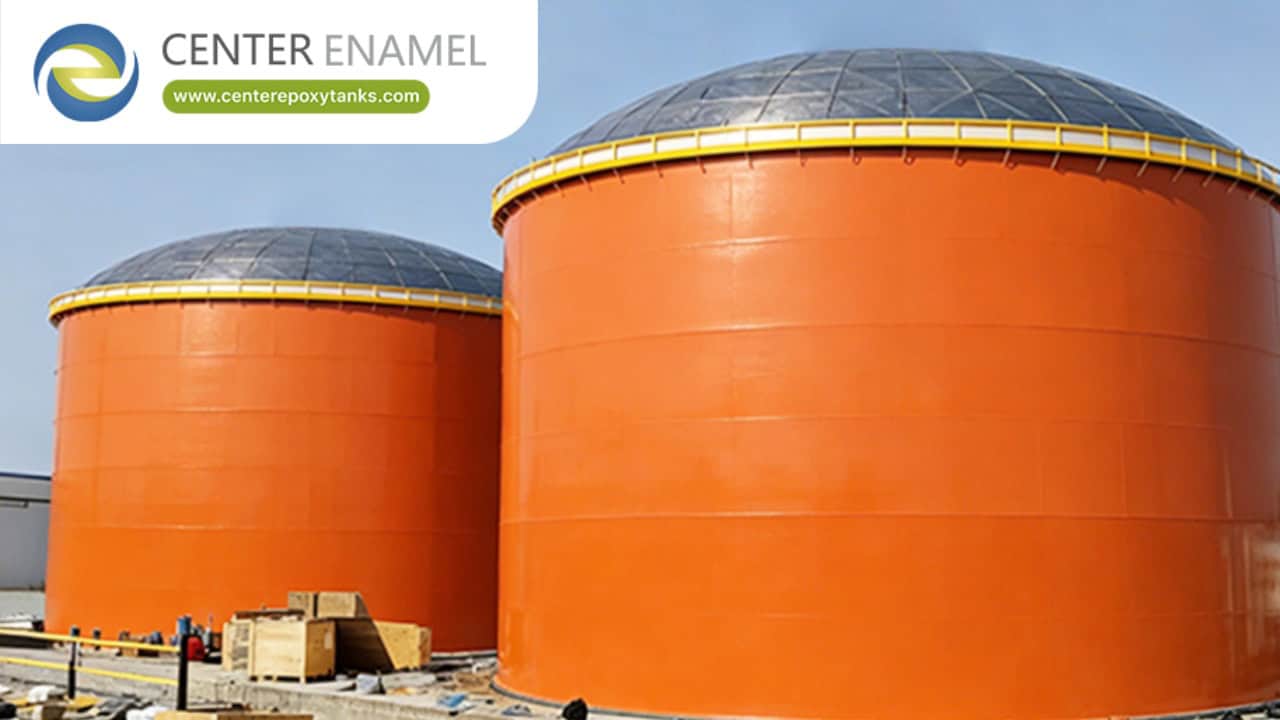
Welded Steel Oil Tanks: Design, API 650 Standards, and Industrial Storage Solutions
In the global energy, upstream production, and downstream refining sectors, safe and reliable bulk liquid containment is vital for environmental compliance, hazard mitigation, and operational continuity. Welded steel oil tanks represent the ultimate industry benchmark for aboveground vertical storage vessels designed to hold crude oil, diesel, gasoline, and refined petroleum products.
Engineered primarily in strict accordance with API 650 specifications, these heavy-duty welded structures offer the structural rigidity, high-pressure tolerance, and absolute leak-free integrity required to handle massive inventories of volatile hydrocarbons safely.
1. Governing Engineering Standards: API 650 Compliance
Petroleum storage requires rigorous adherence to international engineering standards to withstand heavy hydrostatic liquid loads, internal vapor pressures, and severe environmental forces.
API 650 Standard Scope: The definitive global benchmark for welded tanks used for oil storage, API 650 establishes the minimum criteria for material selection, design calculations, fabrication tolerances, and field erection procedures. It governs atmospheric and low-pressure vertical cylindrical tanks operating at pressures up to 2.5 lbf/in² gauge (17.2 kPa).
Plate-by-Plate Shell Construction: Tank walls are constructed from stacked horizontal rings (courses) of high-tensile carbon steel plates (such as ASTM A36 or ASTM A516). Plate thicknesses are mathematically calculated based on liquid head pressure, positioning thicker plates at the bottom course.
Weld Integrity and Structural Continuity: Unlike bolted containers that rely on mechanical fasteners and elastomeric gaskets, welded oil tanks utilize continuous structural fusion on all shell and floor joints, creating a monolithic steel envelope.
Data Table: Welded Steel Oil Tank Technical Specifications Matrix
Technical Parameter | API 650 Welded Oil Storage Specification Profile |
Primary Governing Standard | API 650 (Welded Tanks for Oil Storage) |
Operating Pressure Limits | Atmospheric up to 2.5 psig (17.2 kPa) |
Material Construction | High-tensile carbon steel plates (ASTM A36, A516 Gr. 70) |
Typical Stored Media | Crude oil, diesel, gasoline, kerosene, jet fuel, fuel oil |
Roof Configuration Options | Fixed cone roofs, internal floating roofs (IFRs), external floating roofs (EFRTs) |
Quality Control & Testing | Radiographic examination (RT), ultrasonic testing (UT), vacuum box leak testing |
2. Roof Architectures and Emission Control Strategies
Selecting the correct roof system is critical for optimizing safety and minimizing volatile organic compound (VOC) emissions during crude oil and refined fuel storage:
Fixed Cone Roofs: Welded securely to the top shell ring, fixed roofs are typically deployed for heavier, less volatile products (such as bunker fuel or heavy diesel), utilizing pressure-vacuum relief valves (PVRVs) to manage static vapor space.
Floating Roof Systems (IFRs and EFRTs): For highly volatile crude oils and gasoline, internal floating roofs (housed beneath a fixed dome) or external floating roofs (open-top with dynamic rim seals) float directly on the liquid surface. This eliminates vapor headspace, drastically reducing evaporation losses and environmental emissions.
3. Non-Destructive Examination (NDE) and Quality Verification
To eliminate structural flaws and guarantee decades of safe operation, welded steel oil tanks undergo strict multi-stage quality control procedures:
Radiographic Testing (RT): Applied to vertical and horizontal butt-welded shell seams to detect internal structural defects or incomplete fusion.
Vacuum Box Testing: Utilized on tank floor bottom plates and lap-welded seams, combining a suction box and soapy solution to instantly isolate microscopic leaks.
Hydrostatic Shell Testing: Upon completion of field erection, the tank is filled to its maximum design capacity with water to verify structural stability, foundation settling behavior, and absolute shell watertightness.
Frequently Asked Questions (FAQ)
Q: What standard governs welded steel oil tanks?
A: Welded steel storage tanks for petroleum are primarily designed, fabricated, and inspected in accordance with API 650 standards, which establish baseline safety, material, and construction criteria.
Q: Why are welded tanks preferred over bolted tanks for crude oil terminals?
A: Welded tanks provide continuous, fused structural seams that deliver superior tensile strength, high-pressure tolerance, and absolute leak-free integrity, making them ideal for massive, high-capacity crude oil reserves.
Q: How are vapor emissions controlled in welded petroleum tanks?
A: Volatile emissions are controlled by pairing welded steel shells with internal floating roofs (IFRs) or external floating roofs (EFRTs) equipped with high-performance multi-tier rim seal systems.
Q: What operating pressure can an API 650 welded oil tank handle?
A: Standard API 650 welded oil tanks are engineered for atmospheric service up to a maximum internal pressure of 2.5 lbf/in² gauge (17.2 kPa).


