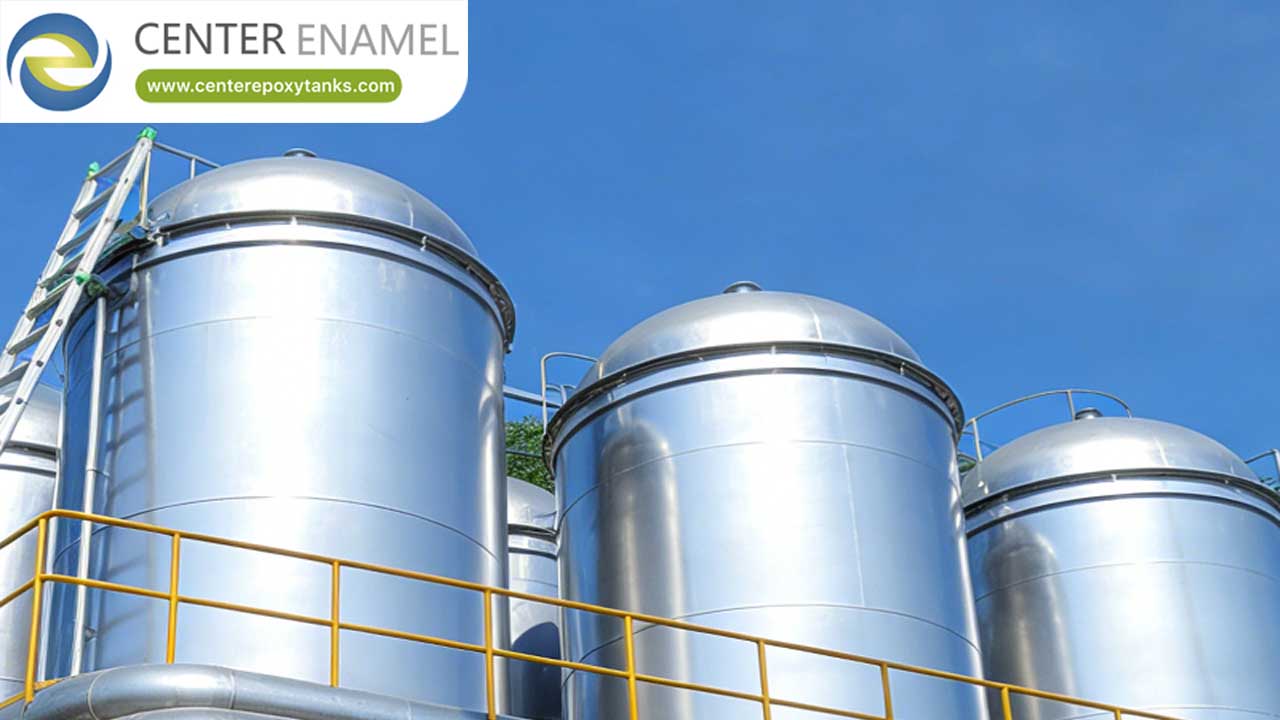
Welded Stainless Steel Hydraulic Oil Tank Cover: Design for Contamination Control
Hydraulic fluid is the most contamination-sensitive oil in industry: a single hard particle bridging a servo valve land can shut down a machine worth a thousand times the price of the tank cover above it. The cover is therefore not a lid — it is the first element of the filtration system, and its material and weld quality decide whether the reservoir stays clean or generates its own debris.
A welded stainless steel hydraulic oil tank cover is a fabricated closure in 304 or 316L stainless, welded and dressed smooth, fitted with sealed penetrations and filtered breathers — engineered to exclude moisture, airborne dust, and corrosion particles so hydraulic fluid sustains ISO 4406 target cleanliness codes throughout reservoir life.
1. Why Does Cover Material Decide Fluid Cleanliness?
Corrosion inside the reservoir becomes contamination in the pump.
· No rust generation: Carbon steel covers shed oxide particles with every condensation cycle; stainless surfaces generate none — removing an entire contamination class at source.
· Coating risk eliminated: Painted covers risk flaking into the fluid; bare stainless needs no internal coating whose failure mode is particle release.
· Condensation chemistry: Water condensed on stainless carries no dissolved iron; on carbon steel it becomes rust-forming electrolyte.
· Compatibility: 304 suits standard mineral hydraulic oils; 316L covers fire-resistant fluids and any chloride-moisture duty.
2. What Design Features Define a Clean Cover?
The cover is a sealed, filtered interface — not a bolted sheet.
· Welded, dressed joints: Full-penetration or seal-welded seams ground smooth; no crevices or porosity traps where sludge collects.
· Gasketed, machined flange: Cover-to-reservoir interface sealed with O-ring or gasket to exclude humid air exchange at the largest opening.
· Filtered breathers: Desiccant or 3 um-rated breather elements so air entering during level cycling is clean and dry.
· Sealed penetrations: Level gauges, fill ports, and sensor bosses welded in and sealed — every penetration a barrier, never a leak path.
· Sloped, drainable surfaces: External top surfaces shed water; internal geometry avoids condensate drip points over the fluid.
3. How Is Cleanliness Verified and Maintained?
Specification and routine close the loop.
· Cleanliness targets: Fluid verified against ISO 4406 codes matched to component sensitivity — e.g., 18/16/13 or tighter for servo systems.
· Weld cleanliness practice: Post-weld cleaning and flushing per reservoir fabrication practice before first fill; no pickling smut or residue shipped.
· Breather maintenance: Desiccant color change and filter differential indicators scheduled like any filter element.
· Inspection access:( Manway and sight provisions let maintenance verify fluid condition and cover internals without breaking seals.
Data Table: Cover Material and Cleanliness Comparison
Attribute | Carbon Steel Cover | Welded Stainless Cover |
Internal corrosion | Rust particle source | None |
Coating requirement | Painted — flake risk | Bare metal |
Weld dressing | Coated over | Ground smooth |
Condensation behavior | Rust-forming | Inert |
Lifecycle cleanliness burden | High | Lowest |
Frequently Asked Questions (FAQ)
Q1: Why use stainless steel for hydraulic oil tank covers?
Because the cover sits directly over the fluid and is exposed to condensation: carbon steel covers generate rust particles that migrate into the oil, while stainless stays inert and needs no coating that could flake off. It removes an entire contamination class at the source.
Q2: What cleanliness standard applies to hydraulic reservoirs?
Fluid cleanliness is graded by ISO 4406 particle counts, with targets such as 18/16/13 set by component sensitivity — servo and proportional valves demand the tightest codes. The cover, breathers, and sealed penetrations are what keep the reservoir from degrading those numbers.
Q3: What role does the breather play on a hydraulic tank cover?
The breather filters and dries the air that enters as fluid level cycles. Without a 3 um or desiccant breather, every level drop draws in humid, dusty air — the cover then seals the system while the breather cleans it; both must work together.
Q4: Are welded stainless covers compatible with fire-resistant fluids?
Yes — 316L stainless suits HFD-type fire-resistant fluids and water-glycol duties where carbon steel corrosion accelerates. Matching the cover, penetrations, and hardware grade avoids dissimilar-metal issues in these chemistries.


