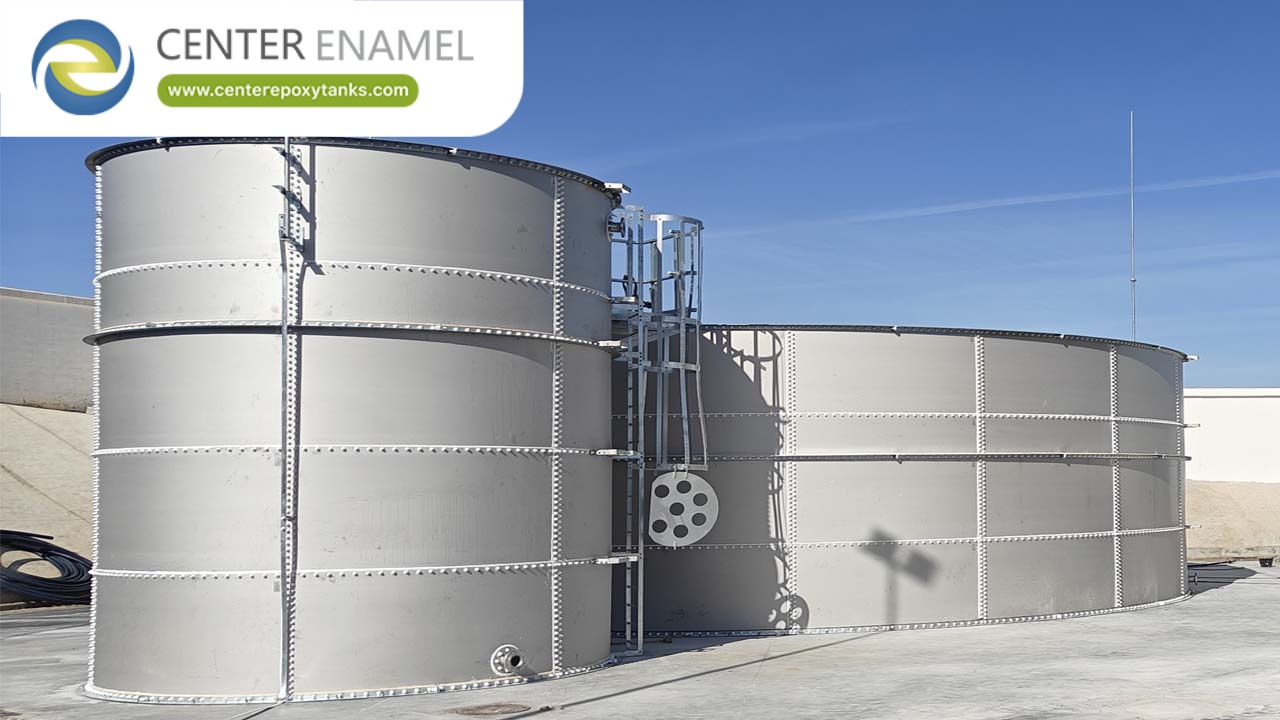
Welded Stainless Steel Fuel Oil Tank: Corrosion-Free Storage for Long Service Life
Every coated carbon steel fuel oil tank carries a countdown: the lining is intact on day one and aging from day two, and the tank's life is the lining's life. Stainless steel sidesteps that countdown entirely — the shell material itself is the corrosion barrier, and the tank's calendar is measured in decades of recoat-free service.
A welded stainless steel fuel oil tank is a shop- or field-welded storage vessel in 304 or 316L stainless, fabricated to codes such as UL 142 or API 650 — delivering corrosion-free fuel oil storage with no internal lining to inspect, repair, or replace, and a service life anchored to the base metal rather than to a coating system.
1. When Does Stainless Pay for Fuel Oil Storage?
Duty chemistry and tank economics set the break-even.
· Bottom-water corrosion: Fuel oil tanks accumulate condensed water under the product — the zone where carbon steel thins; stainless bottoms stay passive.
· Coating lifecycle avoidance: Lined carbon steel repeats inspection and recoat cycles; stainless removes the entire lining budget from the tank's NPV.
· Outdoor and coastal duty: 316L shells resist external salt-laden atmosphere where coated steel requires ongoing paint programs.
· Small to mid-range sizes: Stainless economics are strongest at the shop-fabricated capacities where UL 142 horizontal and vertical tanks dominate.
2. What Materials and Fabrication Standards Apply?
Grade selection follows environment; fabrication follows code.
· Grade selection: 304 for inland, dry-climate duty; 316L for coastal, high-chloride, or wet-gas exposure.
· Code fabrications: UL 142 atmospheric tanks; API 650 where vertical field-erected capacity is specified; ASME VIII only if pressure duty demands.
· Weld integrity: Corrosion-resistant weld procedures and pickled/passivated seams keeping the heat-tint zone as passive as parent plate.
· Details that matter: Sloped bottoms with water draw-off, non-corroding internals, and sealed nozzles preserving the material advantage end to end.
3. How Does Lifecycle Cost Compare with Coated Carbon Steel?
The premium buys the coating program's removal.
· First cost: Stainless carries a 1.5-3x material premium over coated carbon steel at shop-fabricated sizes.
· Maintenance profile: No internal lining inspections, no recoat shutdowns, no under-film corrosion risk — external washdown only.
· Service life: Decades of recoat-free operation; tank retirement driven by requirements change, not shell degradation.
· Residual value: Stainless scrap and reuse value recover part of the premium at decommissioning.
Data Table: Fuel Oil Tank Material Comparison
Factor | Coated Carbon Steel | Welded Stainless Steel |
Corrosion barrier | Lining (aging) | Base metal |
Lining maintenance | Periodic recoat | None |
Bottom-water zone | Corrosion risk | Passive |
Coastal outdoor duty | Paint program needed | 316L suitable |
Relative first cost | 1.0x | 1.5-3.0x |
Frequently Asked Questions (FAQ)
Q1: Is stainless steel worth it for a fuel oil tank?
Where bottom water, outdoor coastal exposure, or long service horizons dominate, yes: stainless removes the lining inspection and recoat cycles that define coated carbon steel ownership. For short-horizon, dry, inland duty, coated carbon steel remains the economic default.
Q2: Which stainless grade suits fuel oil storage?
Type 304 serves inland and sheltered duties; 316L is specified for coastal sites, salt-laden atmospheres, and wet-gas service where chlorides would pit 304. Nozzles, internals, and hardware should match the shell grade to avoid dissimilar-metal weak points.
Q3: Do stainless fuel oil tanks still need inspections?
Yes — external inspections, settlement checks, and water draw-off remain per API 653-type practice; what disappears is the internal lining survey and recoat scope. Stainless changes the maintenance mix, not the discipline.
Q4: What codes govern welded stainless fuel oil tanks?
UL 142 for shop-fabricated atmospheric tanks, API 650 for field-erected verticals, and ASME VIII Div. 1 where pressure service applies — the codes are material-neutral, so stainless fabrications meet the same rules with different metallurgy.


