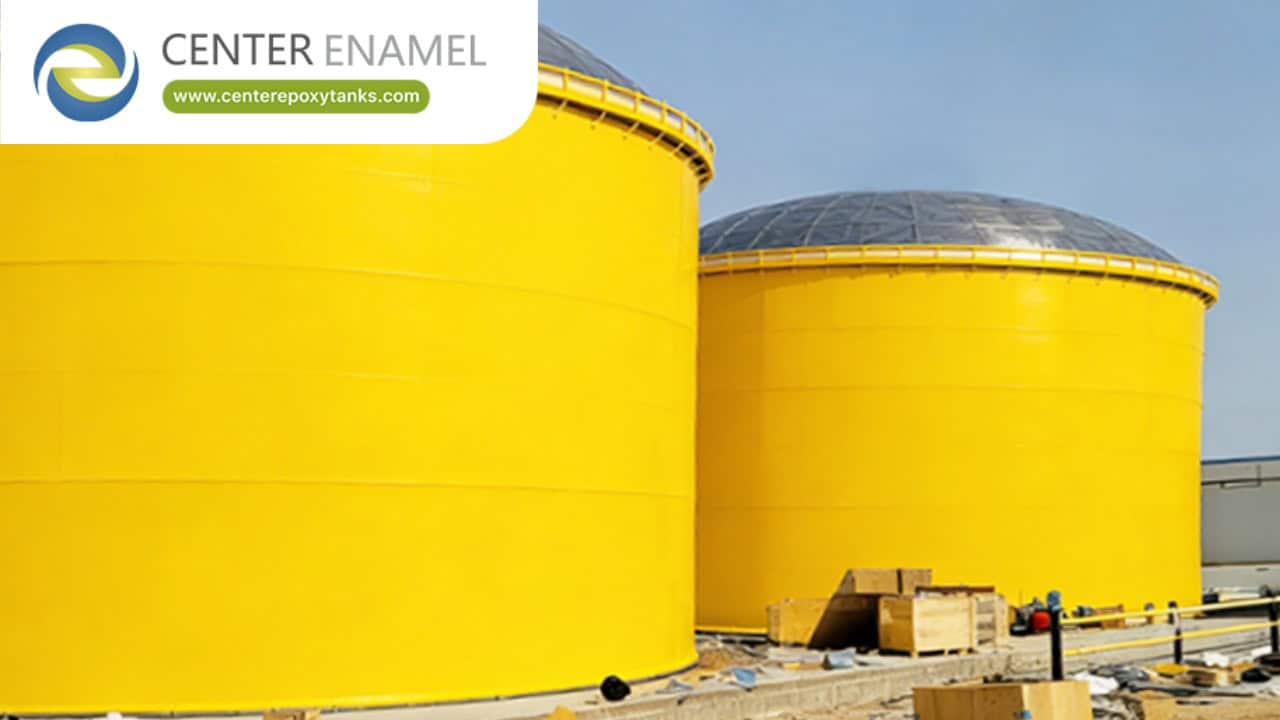
Types of Storage Tanks: Explore Their Uses, Designs, and Applications
Storage tanks are the foundation of global industrial infrastructure. Whether for water treatment, energy storage, or chemical processing, these vessels are designed to contain liquids or gases under specific conditions of pressure, temperature, and chemical compatibility. Selecting the correct tank involves a precise understanding of material science, environmental regulations, and operational requirements.
1. Classification by Configuration
Storage tanks are generally categorized based on their installation method and shape, which impacts both footprint efficiency and structural complexity.
Vertical Storage Tanks: The most common configuration for large-scale bulk storage. Their small "footprint-to-volume" ratio makes them ideal for tank farms, refineries, and water treatment plants.
Horizontal Storage Tanks: Frequently used for smaller volumes or where height restrictions exist. They are common in transport, fuel distribution, and secondary process storage.
Bolted vs. Welded Tanks:
Welded Tanks: Field-erected by welding steel plates on-site. They are traditional but require intensive labor and frequent maintenance (e.g., sandblasting and painting).
Bolted Tanks: Assembled from factory-coated panels. This method is faster to install, safer to construct, and allows for superior factory-controlled coating quality.
2. Classification by Material & Technology
Material selection is the most critical decision factor for long-term ROI and structural integrity.
Material Type | Primary Advantage | Best Application |
Carbon Steel | High strength, low cost | Petroleum, crude oil storage (API 650) |
Glass-Fused-to-Steel (GFS) | Superior corrosion resistance | Wastewater, anaerobic digestion, potable water |
Concrete | Highly durable, fire-resistant | Underground fuel storage, massive water reservoirs |
Stainless Steel | Sanitary, chemical-resistant | Food processing, pharmaceutical, high-purity chemicals |
The GFS Advantage
For many modern industrial applications, Glass-Fused-to-Steel (GFS) has become the preferred choice over traditional carbon steel. By fusing glass to steel at temperatures ranging from 800°C to 900°C, the resulting material offers the structural rigidity of steel with the chemical inertness of glass. This makes GFS tanks essentially immune to corrosion and significantly reduces the total cost of ownership over a 30-year operational lifecycle.
3. Selecting the Right Tank for Your Application
To determine the best solution for your project, consider this decision flow:
Frequently Asked Questions (FAQ)
Q: What is the difference between a shop-fabricated tank and a field-erected tank?
A: Shop-fabricated tanks are manufactured entirely in a factory and transported as a finished unit, limiting their size. Field-erected tanks are built on-site using individual steel plates (welded or bolted), allowing for virtually unlimited capacity.
Q: Which tank material is best for wastewater treatment?
A: Glass-Fused-to-Steel (GFS) is the industry standard for wastewater treatment. The glass-fused surface provides an anti-corrosive barrier against aggressive biological and chemical substances that would rapidly degrade standard carbon steel tanks.
Q: Are bolted tanks as strong as welded tanks?
A: Yes. When designed and installed according to international standards (like AWWA D103 or ISO 28765), bolted tanks offer structural strength comparable to welded tanks but provide the added benefit of faster, safer assembly and controlled factory coating quality.
Q: How do I know if I need API 650 compliance?
A: If you are storing hydrocarbons or petroleum products in an above-ground storage tank, API 650 is the primary governing standard for material, design, fabrication, and testing. Always consult with a licensed engineer to ensure your project meets local and federal safety requirements.


