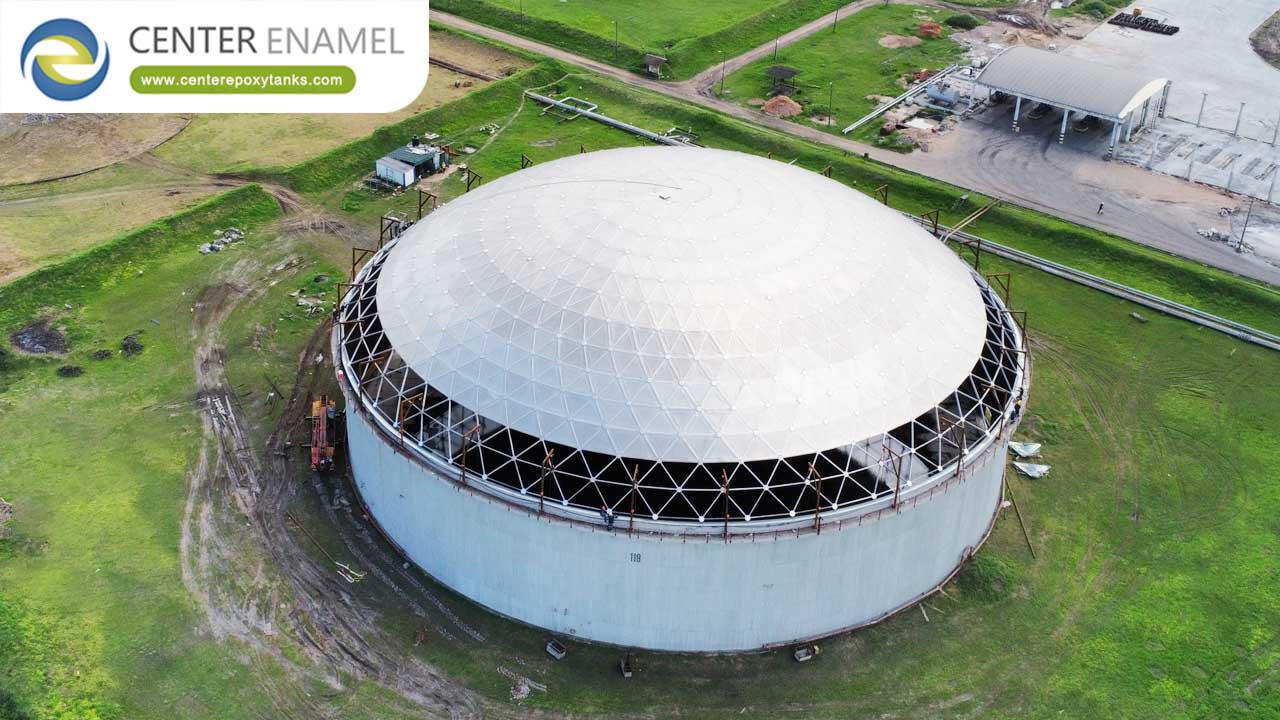
The Different Uses of Oil Storage Tanks Across Industrial and Commercial Sectors
In the global energy ecosystem, oil and petroleum derivatives power everything from heavy industrial machinery and commercial transport to municipal electricity grids. However, crude oil cannot move straight from an extraction well into an automobile fuel tank or a power plant turbine; it requires extensive processing, logistical balancing, and safe containment.
This is where oil storage tanks play an indispensable role. Far more than simple metal containers, these engineered vessels serve diverse functional requirements across every tier of the petroleum supply chain. Below is a comprehensive breakdown of the different uses of oil storage tanks across industrial, commercial, and operational landscapes.
1. Upstream Uses: Field Production and Phase Separation
At the wellhead and upstream exploration sites, storage tanks manage newly extracted fluids straight from the earth.
Crude Oil Accumulation: Serving as primary holding vessels on drilling pads and central tank batteries before oil is metered and transferred into pipelines or transport trucks.
Phase Separation and Treating: Specialized oil wash tanks and heater-treaters utilize gravity and thermal energy to separate entrained water, basic sediment, and natural gases from the raw hydrocarbon liquid.
Produced Water Management: Holding saline formation water co-extracted with crude oil prior to reinjection disposal or specialized water-flooding operations.
2. Midstream Uses: Pipeline Transit and Terminal Reserves
The midstream sector relies on massive tank farms to balance regional supply and demand, buffer pipeline flow rates, and facilitate bulk transfers.
Pipeline Surge Control and Buffering: Maintaining continuous hydrodynamic pressure and flow rates across long-distance transmission pipelines by acting as intermediate inventory buffers.
Strategic National and Commercial Reserves: Storing massive emergency stockpiles of crude oil (such as national strategic petroleum reserves) to protect against geopolitical supply disruptions or sudden market volatility.
Export and Import Marine Terminal Storage: Positioning high-capacity external floating roof tanks (EFRTs) near ports to load and unload supertankers and marine cargo vessels.
3. Downstream Uses: Refining, Processing, and Petrochemicals
Inside downstream refineries, storage tanks manage fluids at various stages of chemical transformation and thermal cracking.
Feedstock and Intermediate Storage: Holding raw crude oil before fractional distillation, as well as intermediate hydrocarbon streams (such as naphtha, gas oil, and reformates) awaiting further processing units.
Blending and Additive Management: Mixing various refined product batches with specialized additives to create commercial-grade gasoline, diesel fuel, aviation kerosene, and lubricants.
Finished Product Inventory: Storing fully processed, specification-compliant fuels ready for immediate distribution to commercial markets.
4. Commercial, Municipal, and Auxiliary Uses
Beyond major refineries and pipelines, oil storage tanks support localized commercial operations and emergency infrastructure:
Retail Fuel Service Stations: Underground storage tanks (USTs) securely house gasoline and diesel at local retail stations, feeding fuel dispensers via submerged pumps.
Emergency Backup Power Generation: Providing dependable on-site fuel supplies for diesel generators powering hospitals, data centers, municipal water facilities, and telecommunication towers during grid outages.
Commercial Heating and Industrial Boiler Fuel: Storing heating oil and heavy fuel oils near commercial real estate, manufacturing plants, and agricultural facilities to power thermal boilers and heavy equipment.
Data Table: Comprehensive Overview of Oil Storage Tank Uses
Operational Sector | Primary Stored Media | Core Functional Use | Typical Tank Configuration | Governing Standards |
Upstream Exploration | Raw crude, produced water, condensate | Wellhead accumulation, phase separation, and testing | Shop-welded or bolted vertical tanks | API 12F, API 12B |
Midstream Logistics | Crude oil, refined bulk products | Pipeline buffering, strategic reserves, terminal storage | External / Internal floating roof tanks | API 650 (Annex C/H) |
Downstream Refining | Feedstocks, intermediate fractions, finished fuels | Fractional distillation supply, product blending, inventory | Fixed cone roof and floating roof ASTs | API 650, API 620 |
Commercial & Retail | Gasoline, diesel, aviation fuel | Retail service station distribution, fleet fueling | Double-wall underground or aboveground tanks | UL 58, UL 1746, NFPA 30 |
Auxiliary Power | Diesel fuel, heavy heating oil | Emergency backup generator supply, industrial heating | Horizontal bullet tanks or rectangular bunded ASTs | UL 142, NFPA 110 |
Frequently Asked Questions (FAQ)
Q: What is the primary purpose of an oil storage tank?
A: The primary purpose of an oil storage tank is to safely contain, receive, and store crude oil, intermediate petroleum fractions, or refined fuels at various stages of the supply chain, ensuring a steady, reliable energy workflow while preventing environmental spills and vapor loss.
Q: How do upstream oilfield tanks differ from downstream refinery tanks?
A: Upstream oilfield tanks (such as API 12F vessels) are typically smaller production tanks used for initial wellhead fluid separation and temporary holding. Downstream refinery tanks are massive, high-capacity industrial assets engineered to handle huge volumes of refined products and feedstocks.
Q: Why are floating roof tanks used for crude oil storage?
A: Floating roof tanks feature a deck that rests directly on the liquid surface, eliminating the vapor pocket (ullage) inside the tank. This drastically reduces volatile organic compound (VOC) emissions, conserves product value, and mitigates fire hazards.
Q: How do commercial facilities use oil storage tanks?
A: Commercial facilities use oil storage tanks primarily for retail fuel dispensing at service stations, storing heating oil for commercial buildings, and maintaining on-site backup fuel reserves for emergency diesel generators.


