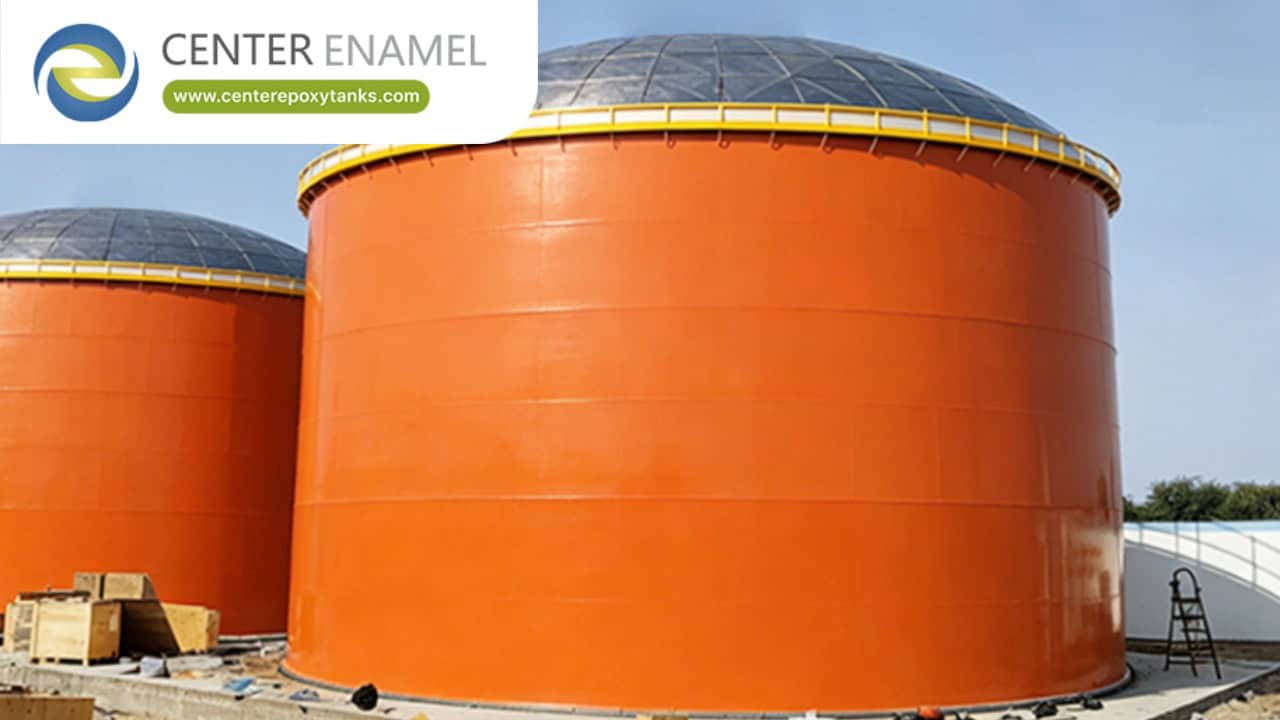
Aboveground Storage Tanks: Engineering Design, Compliance, and Applications
In industrial, municipal, and commercial operations, safe and reliable bulk liquid containment is critical for operational continuity and environmental safety. Aboveground Storage Tanks (ASTs)—vessels positioned entirely on or above grade level—serve as the primary infrastructure for holding petroleum products, chemicals, water, and hazardous waste.
Unlike underground storage tanks (USTs), ASTs offer significant operational advantages, including direct visual inspection, simplified leak detection, and flexible capacity scaling. Engineered to strict international specifications, modern ASTs integrate advanced safety mechanisms, robust materials, and rigorous environmental protection compliance.
1. Core Engineering Standards and Classifications
Aboveground storage tanks must be engineered in absolute compliance with nationally and internationally recognized standards to withstand hydrostatic pressures, seismic forces, and severe weather:
API 650 (Welded Tanks for Oil Storage): The global benchmark for large-scale, field-erected vertical steel tanks used in petroleum, chemical, and water storage.
UL 142 (Steel Aboveground Tanks for Flammable and Combustible Liquids): Governs shop-fabricated horizontal and vertical tanks designed for safe fuel and chemical storage up to specified volume thresholds.
UL 2085 (Protected Aboveground Tanks): Specifies fire-resistant and thermal-protected designs encased in lightweight concrete or insulating layers to withstand intense fire exposure and physical impacts.
2. Essential Safety and Environmental Regulations
Operating an aboveground storage tank facility requires adherence to stringent environmental and worker safety protocols:
Spill Prevention, Control, and Countermeasure (SPCC): Environmental protection mandates requiring facility operators to implement active spill prevention, overfill protection alarms, and routine integrity inspections.
Secondary Containment: EPA regulations require dikes, berms, or double-walled shell configurations capable of holding at least 110% of the largest single tank's volume to prevent soil and groundwater contamination.
OSHA Safety Compliance: Governed under standards such as 29 CFR 1910.106, ensuring proper electrical grounding, safe spacing from ignition sources, and adequate employee safety training.
Data Table: Aboveground Storage Tank Specification Matrix
Tank Classification | Manufacturing Standard | Typical Capacity Range | Primary Stored Media | Core Operational Benefit |
API 650 Field-Erected AST | API 650 / API 653 | 10,000 to 5,000,000+ gallons | Crude oil, refined bulk fuels, water | Massive volumetric scaling for terminal storage |
UL 142 Shop-Fabricated Tank | UL 142, UL 2085 | 500 to 50,000 gallons | Diesel, gasoline, biofuels, lubricants | Pre-engineered factory build for rapid deployment |
Double-Wall / Flameshield | UL 142 / UL 2085 | Up to 70,000 gallons | Flammable chemicals, emergency backup fuel | Built-in secondary containment and fire protection |
Bolted Steel Storage Tank | AWWA D103 / API 12B | Variable industrial scaling | Municipal water, wastewater, dry bulk | Modular panel construction for remote access sites |
3. Advantages of Aboveground Storage Over Underground Alternatives
Direct Inspection Accessibility: Because ASTs rest above grade, maintenance personnel can visually inspect shell walls, weld seams, and foundation rings for signs of corrosion or leakage without excavation.
Simplified Leak Mitigation: Subsurface leaks from underground tanks can go unnoticed for extended periods, contaminating local aquifers. AST leaks are immediately visible, allowing for rapid containment and remediation.
Cost-Effective Installation and Modification: Installing, expanding, or retrofitting aboveground infrastructure requires significantly less heavy excavation civil engineering compared to buried systems.
Frequently Asked Questions (FAQ)
Q: What is an aboveground storage tank (AST)?
A: An aboveground storage tank is an industrial container positioned entirely on or above grade level, used to safely store liquids such as crude oil, petroleum fuels, chemicals, and water.
Q: What engineering standards govern aboveground storage tanks?
A: ASTs are primarily governed by API 650 for large welded steel petroleum tanks, UL 142 for shop-fabricated fuel tanks, and AWWA D103 for bolted water storage tanks.
Q: What is secondary containment for an AST?
A: Secondary containment is a secondary barrier—such as a concrete dike, earthen berm, or double-walled tank structure—designed to capture 110% of the tank's contents in the event of an accidental spill or structural breach.
Q: Why are aboveground tanks often preferred over underground tanks?
A: ASTs allow for easy visual inspection, simplified leak detection, and lower installation and maintenance costs because they do not require excavation to repair or inspect.


