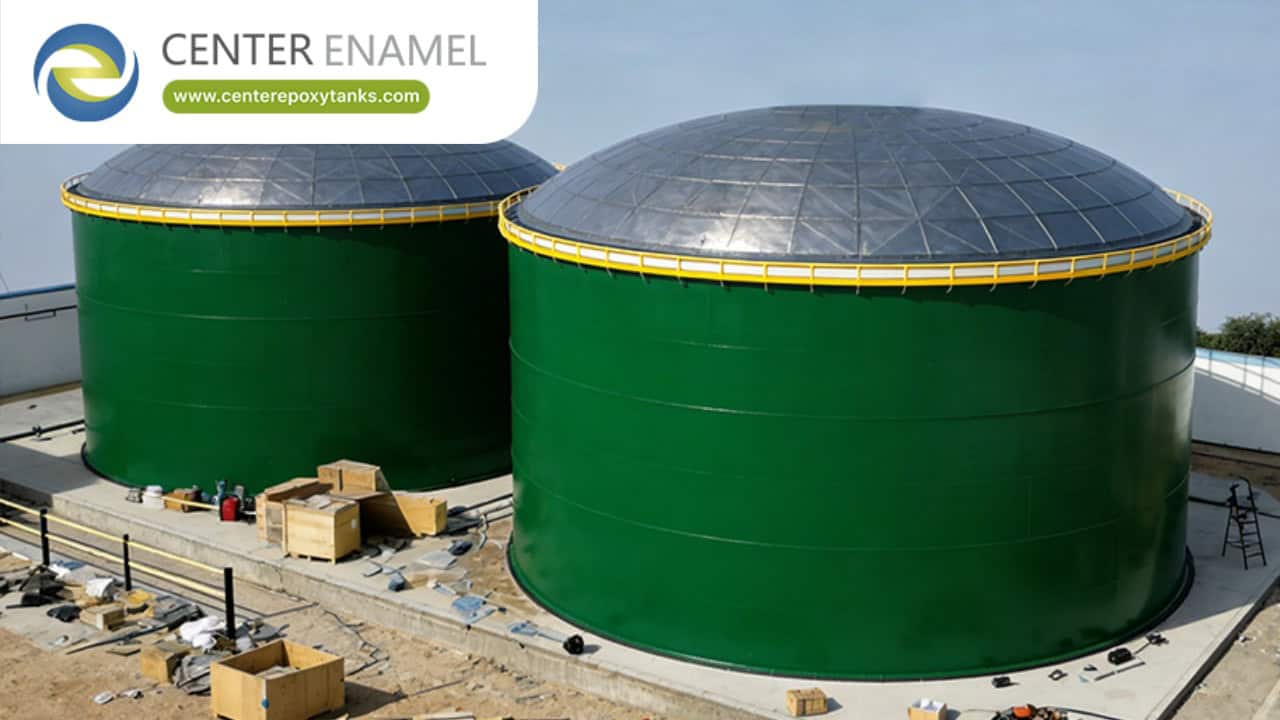
The Different Types of Oil Storage Tanks: A Comprehensive Guide
In the global petroleum supply chain—spanning upstream extraction fields, midstream pipeline terminals, and downstream refineries—safe and reliable liquid containment is paramount. Because crude oil and refined petroleum products vary widely in chemical composition, volatility, and vapor pressure, storage infrastructure must be engineered to exacting specifications.
Governed globally by standards such as API 650, API 620, and UL, oil storage tanks are categorized primarily by their physical placement (aboveground vs. underground) and their structural design. Below is a comprehensive breakdown of the different types of oil storage tanks used across the energy sector.
1. Aboveground Storage Tanks (ASTs)
Aboveground Storage Tanks are the predominant choice for high-volume industrial petroleum storage, offering easy visual inspection, leak detection, and massive capacity scaling.
Fixed Cone Roof Tanks: Designed with a permanently welded conical roof, these tanks maintain an air-vapor space (ullage) above the liquid level. They are utilized primarily for heavy, low-volatility crude oils, fuel oils, and asphalt, relying on pressure-vacuum relief valves (PVRVs) to manage breathing losses.
External Floating Roof Tanks (EFRTs): Featuring an open-top cylindrical shell equipped with a dynamic floating deck that rests directly on the liquid surface, EFRTs eliminate vapor pockets. They are the industry standard for large-volume, highly volatile crude oil storage to prevent evaporation and emissions.
Internal Floating Roof Tanks (IFRs): Combining a fixed outer dome with an internal floating pan or pontoon deck, IFRs protect volatile crude oils and refined fuels from weather elements while eliminating dangerous vapor headspace.
2. Pressurized and Specialized Vessels
Certain hydrocarbon fractions (such as liquefied petroleum gas, propane, butane, and volatile natural gas liquids) require specialized pressure containment.
Spherical Tanks (Hortonspheres): Engineered for high-pressure storage, spherical tanks distribute structural stress evenly across their geometry, making them ideal for storing large volumes of high-vapor-pressure gases and volatile liquids.
Horizontal Bullet Tanks: Cylindrical pressure vessels positioned horizontally on concrete saddles, typically deployed for localized or medium-capacity pressurized fuel and chemical storage.
3. Underground Storage Tanks (USTs)
Underground Storage Tanks are buried fully or partially beneath the earth, commonly utilized in retail gasoline service stations, backup generator fueling setups, and commercial fleet depots.
Data Table: Oil Storage Tank Comparison Matrix
Tank Category / Type | Primary Structural Design | Operating Pressure | Typical Stored Media | Governing Standards |
Fixed Cone Roof AST | Vertical cylindrical shell with fixed conical roof | Atmospheric (up to 2.5 psig) | Heavy crude, diesel, fuel oil, lubricants | API 650 |
External Floating Roof (EFRT) | Open-top vertical shell with floating deck | Atmospheric | Volatile crude oil, gasoline, condensates | API 650 (Annex C) |
Internal Floating Roof (IFR) | Fixed outer roof + internal floating pan | Atmospheric | Volatile crude, jet fuel, naphtha | API 650 (Annex H) |
Spherical Pressure Vessel | Monolithic sphere supported by columns | High Pressure (15+ psig) | LPG, propane, butane, volatile NGLs | API 620 / ASME |
Underground Storage Tank (UST) | Buried single or double-wall cylindrical vessel | Atmospheric to low pressure | Retail gasoline, diesel, aviation fuel | UL 58, UL 1746, STI-P3 |
Frequently Asked Questions (FAQ)
Q: What are the main categories of oil storage tanks?
A: Oil storage tanks are broadly categorized into Aboveground Storage Tanks (ASTs), which handle massive industrial volumes, and Underground Storage Tanks (USTs), which are commonly used for retail fuel distribution and local backup supplies.
Q: Why do crude oil storage tanks utilize floating roofs?
A: Floating roofs (both internal and external) rest directly on the liquid surface, eliminating the vapor space (ullage) inside the tank. This drastically reduces volatile organic compound (VOC) emissions, prevents explosive vapor buildup, and conserves product value.
Q: What is the difference between an API 650 tank and an API 620 tank?
A: API 650 governs welded steel tanks for atmospheric and low-pressure service up to 2.5 psig, whereas API 620 governs larger, low-pressure storage tanks operating at internal pressures between 2.5 psig and 15 psig.
Q: How do pressurized spherical tanks store hydrocarbons?
A: Spherical tanks provide uniform stress distribution across their curved walls, allowing them to safely contain high-pressure volatile liquids and gases like propane, butane, and liquefied petroleum gas (LPG).


