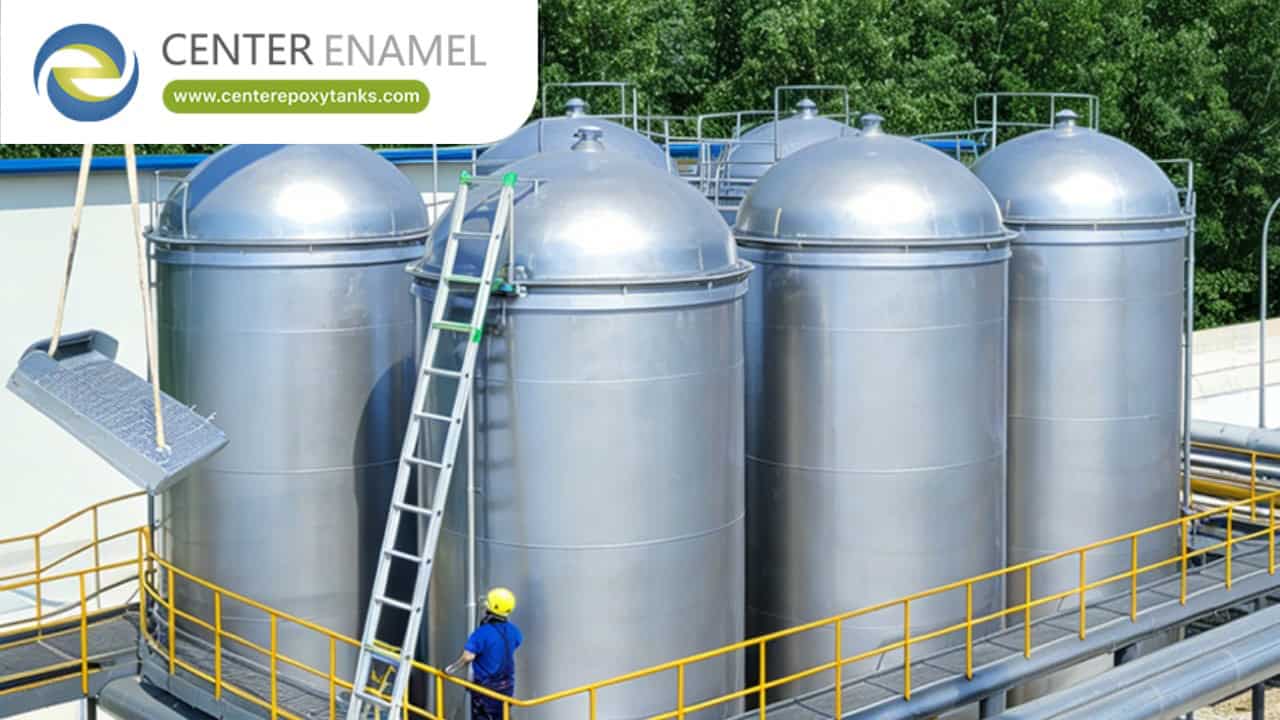
Stainless Steel Tank Construction: Advantages and Areas of Application
In industries where product purity, severe corrosion resistance, and structural longevity are non-negotiable, material selection dictates the success of liquid containment. While carbon steel remains a standard for heavy bulk fuel storage, stainless steel tank construction represents the gold standard for high-purity, highly corrosive, and sanitary operating environments.
From pharmaceutical processing floors and commercial breweries to aggressive chemical refineries, stainless steel storage vessels deliver unmatched reliability and hygienic performance.
1. Key Advantages of Stainless Steel Tank Construction
The widespread adoption of stainless steel in industrial tank manufacturing is driven by unique metallurgical properties:
Superior Corrosion Resistance: Stainless steel contains a minimum of 10.5% chromium. When exposed to oxygen, chromium instantly forms a microscopic, self-healing passive chromium-oxide layer that prevents rust and withstands aggressive chemical attack without requiring sacrificial internal linings.
Hygienic and Non-Porous Surface: The smooth, non-porous interior surface of stainless steel prevents bacterial adhesion and microbial growth. It can be easily cleaned, sterilized, and polished to a sanitary finish, making it mandatory for consumable industries.
Exceptional Strength and Temperature Tolerance: Stainless steel maintains its high tensile strength and structural integrity across extreme thermal ranges—from cryogenic liquid storage to high-temperature chemical reactions.
Low Lifecycle Maintenance: Because stainless steel resists internal degradation naturally, facilities eliminate the recurring costs of stripping and reapplying internal epoxy or phenolic tank coatings.
2. Primary Areas of Application Across Industries
Stainless steel tanks are engineered in various configurations—including shop-fabricated vertical vessels, horizontal tanks, and field-erected structures—to serve diverse sectors:
A. Food, Beverage, and Dairy Processing
In breweries, wineries, dairy processing plants, and juice manufacturing, hygiene is paramount. Stainless steel tanks (typically Grades 304 and 316L) store raw ingredients, ferment beverages, and house CIP (Clean-in-Place) cleaning solutions safely without imparting metallic tastes or odors.
B. Pharmaceutical and Biotechnology
Pharmaceutical manufacturing demands ultra-pure environments. Stainless steel vessels store Water for Injection (WFI), purified water, and active pharmaceutical ingredients (APIs under strict ASME BPE sanitary standards).
C. Chemical and Petrochemical Processing
When handling aggressive acids, caustic solutions, specialized solvents, or reactive chemical feedstocks, specialized austenitic and duplex stainless steel grades prevent structural wall thinning and catastrophic leaks.
Data Table: Stainless Steel Grades and Industrial Applications
Stainless Steel Grade | Key Metallurgical Properties | Primary Industrial Application | Governing Standards |
AISI 304 / 304L | Excellent general corrosion resistance and weldability | Food processing, dairy storage, architectural water tanks | ASME, ASTM, FDA guidelines |
AISI 316 / 316L | Contains Molybdenum for enhanced chloride and acid resistance | Pharmaceutical water, chemical processing, marine environments | ASME Section VIII, API 650 |
Duplex Stainless Steel (e.g., 2205) | Extremely high mechanical strength and stress-corrosion cracking resistance | Desalination plants, aggressive chemical bulk storage | API 650 Annex S, ASME |
Frequently Asked Questions (FAQ)
Q: What makes stainless steel tank construction superior for food and beverage storage?
A: Stainless steel features a non-porous, smooth surface that prevents bacterial growth, resists corrosion without chemical linings, and ensures zero chemical leaching or alteration of taste in food and beverage products.
Q: Do stainless steel tanks require interior coatings or linings?
A: In most cases, no. The natural chromium-oxide passivation layer provides robust corrosion resistance, eliminating the need for epoxy or phenolic internal coatings required by carbon steel tanks.
Q: What is the difference between Grade 304 and Grade 316 stainless steel in tank building?
A: Grade 304 is ideal for general food and water applications, while Grade 316 contains molybdenum, which provides significantly higher resistance to chlorides, salts, and aggressive chemical acids.
Q: What engineering standards govern stainless steel tank construction?
A: Stainless steel tanks are designed and fabricated in accordance with international standards such as API 650 for atmospheric storage, the ASME Boiler and Pressure Vessel Code, and sanitary standards like ASME BPE.


