Stainless Steel Corn Oil Tanks: Food-Safe Storage for Edible and Fuel Feedstock
Corn oil arrives from two worlds: the wet mill and crusher producing food-grade oil, and the ethanol plant recovering corn oil as biodiesel feedstock. Both streams are valuable, both degrade through water and oxygen, and both punish storage shortcuts with free fatty acid growth that erodes price per tonne.
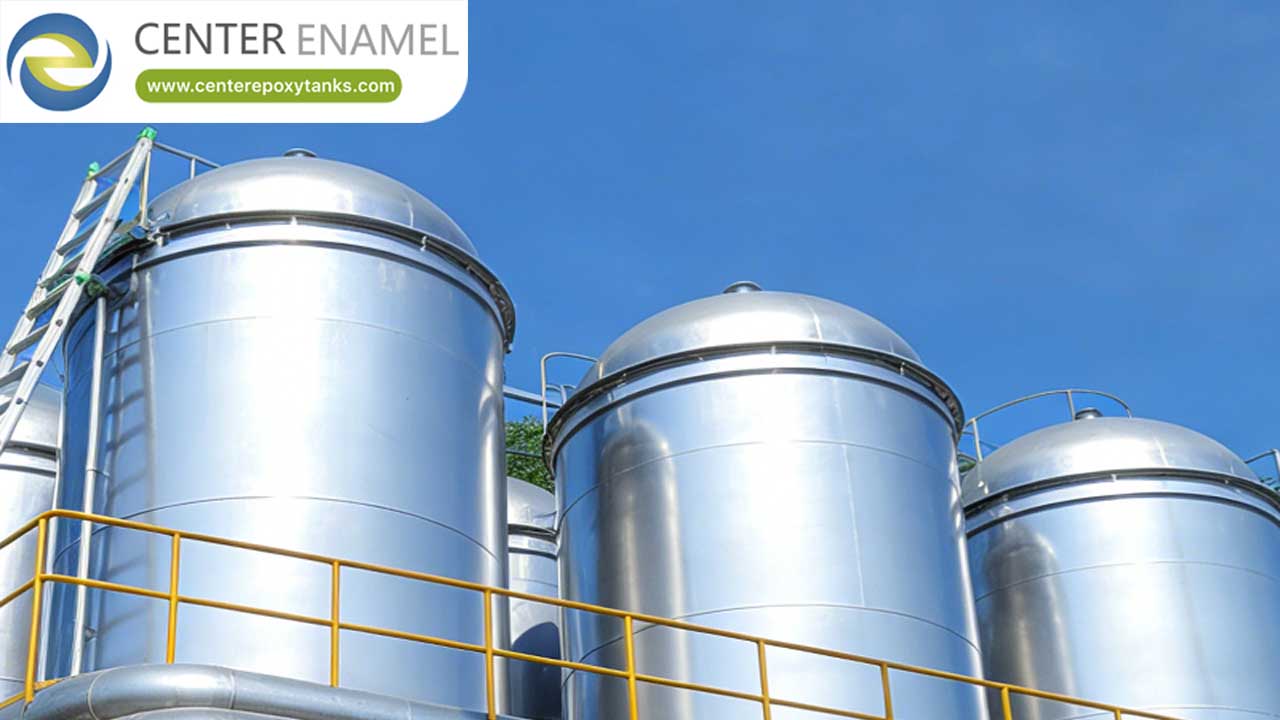
Stainless steel corn oil tanks store edible-grade and feedstock corn oil in SS304 construction with sloped, drainable bottoms, nitrogen blanketing, and gentle heating — controlling the moisture and oxidation that drive free fatty acid formation, with food-contact documentation where the oil enters the edible chain.
1. What Are the Two Corn Oil Storage Duties?
Food and fuel impose overlapping but distinct rules.
· Edible corn oil: Food-contact compliance, sanitary finishes, CIP, and strict oxidation control — the full hygiene regime.
· Biodiesel feedstock: FFA and water are the process variables — tanks emphasize settling, water draw, and analysis access over sanitary polish.
· Shared requirements: Both duties need inert surfaces, moisture exclusion, and temperature management — stainless answers both.
· Value defense: Every week of storage either preserves or erodes the oil's grade; tank design is the deciding variable.
2. What Features Preserve Corn Oil Quality?
The enemies are water, oxygen, and cold.
· Moisture exclusion and removal: Settling zones with bottom water draws; blanketing against humid air; transported water removed within days.
· Oxidation defense: Nitrogen blankets on edible and high-value stock; full tanks and tight turnover on the rest.
· Gentle, distributed heating: Waxy fractions cloud in cold climates — jacketed or traced zones keep oil pumpable without scorching local quality.
· Sampling access: Clean sample ports for FFA, moisture, and peroxide testing that schedule oil movement before specs drift.
3. How Should Corn Oil Tank Programs Be Configured?
Scale and integration decide the farm.
· Crusher and mill integration: Tanks placed in the product sequence — crude, degummed, finished — with dedicated lines per grade.
· Ethanol plant recovery: Smaller heated tanks receiving wet oil, sized for settling and water removal ahead of sale or biodiesel conversion.
· Batch traceability: Lot-level records maintained in both food and fuel chains for quality claims and compliance.
· Material consistency: SS304 across product-contact surfaces with food-grade gaskets — leaving no downgrade path if feedstock becomes food.
Data Table: Corn Oil Duty vs Tank Features
Duty | Must-Have Features |
Edible corn oil | SS304 sanitary, CIP, N2, food certs |
Biodiesel feedstock | Settling, water draw, heating, sampling |
Cold climate | Insulation + trace heating |
High-value storage | N2 blanket, FIFO, tight turnover |
Frequently Asked Questions (FAQ)
Q1: What tank material is used for corn oil storage?
Stainless steel SS304 as the standard for both edible and feedstock corn oil — inert to the oil, food-contact compliant where needed, and cleanable. Carbon steel invites rust and coating contamination; for food-grade corn oil, stainless is mandatory practice.
Q2: Why does water matter so much in corn oil storage?
Water hydrolyzes triglycerides into free fatty acids, degrading edible oil quality and adding soap-formation costs in biodiesel processing. Tanks fight water with settling zones, bottom draws, nitrogen blanketing, and fast removal of transported moisture.
Q3: Does corn oil need heated storage?
In cold climates and winter, yes: corn oil's waxy fractions cloud and thicken as temperatures fall, so jacketed or traced heating keeps it pumpable. Heating must be gentle and distributed — hot spots degrade oil quality just as surely as water does.
Q4: Can biodiesel feedstock and edible corn oil share tanks?
Only with strict changeover discipline and validated cleaning — and never in reverse (feedstock to food) without full food-contact procedures. Dedicated tanks per destination are simpler and audit-proof; shared equipment is where traceability programs earn their complexity.


