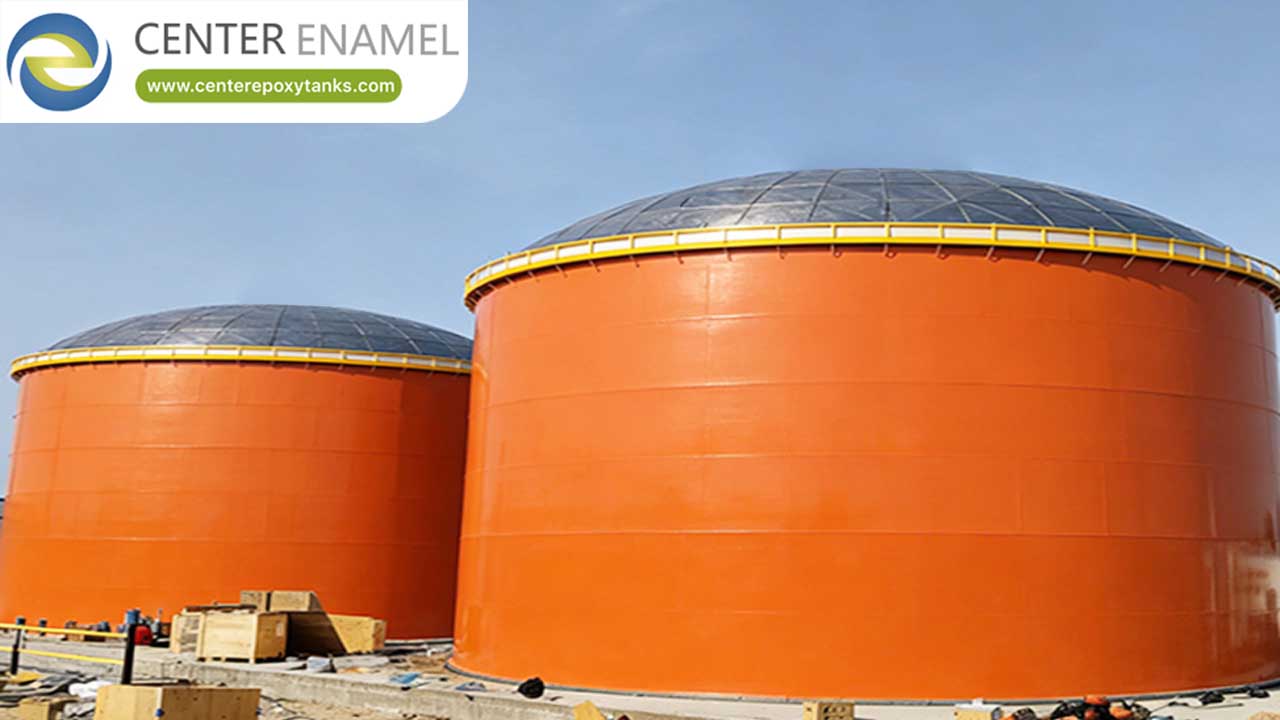
Oil Storage Tank Roofs for Sudan: Heat and Dust-Resistant Designs for Hot Climates
Designing tank roofs for Sudan means engineering for the sun: ambient design temperatures approaching 45-50 deg C, roof steel climbing far higher under direct solar loading, vapor spaces breathing hard through big daily temperature swings, and haboob dust storms depositing fine particles on every vent, seal, and roof surface.
Oil storage tank roofs for hot climates such as Sudan combat 45 deg C-plus ambient and intense solar loading with reflective or aluminum covers, ventilation and vapor strategies sized for amplified thermal breathing, dust-hardened vents and seals, and coatings selected for UV and high-temperature endurance.
1. What Does Extreme Heat Do to a Tank Roof?
Thermal effects drive both mechanics and emissions.
· Solar loading: Dark roof steel can run 20-30 deg C above ambient, superheating the vapor space and driving breathing losses sharply upward.
· Thermal expansion: Daily swing flexes roof-shell connections, coatings, and seal systems — cyclic fatigue arrives years sooner than in temperate designs.
· Vapor pressure rise: Hot product vapor pressure climbs, stressing vent capacity and increasing standing losses from fixed roofs.
· Roof-mounted equipment limits: Instruments, vents, and access hardware face derating and accelerated elastomer aging at sustained high temperature.
2. Which Roof Strategies Win in Desert Service?
Reflect, shade, and seal are the watchwords.
· High-solar-reflectance coatings: White and light topcoats cut roof steel temperatures dramatically — the cheapest thermal engineering available.
· Aluminum domes: Reflective surfaces plus inherent thermal tolerance; also exclude dust from the tank interior entirely.
· Internal floating decks: Solar-driven breathing losses collapse when the deck removes the vapor space — doubly valuable in hot climates.
· Vapor recovery tie-ins: Where fixed roofs remain, closed venting to recovery or flare matches the amplified breathing volumes.
3. How Is Dust Managed on Desert Tank Roofs?
Haboob-hardened details keep equipment breathing.
· Vent protection: Rain caps, screens, and cyclonic dust excluders on conservation and emergency vents prevent abrasive accumulation.
· Seal and hardware selection: Wiper and fabric components specified for dust abrasion with tighter inspection cycles after major storms.
· Drainage care: Dust-caked drains and roof surfaces turn light rain into mud flows — washdown and drain checks belong to the storm routine.
· Filter discipline: Air intakes, breathers, and instrument purge systems protected with maintainable filtration in high-dust zones.
Data Table: Hot-Climate Roof Countermeasures
Challenge | Countermeasure | Effect |
Solar loading | Reflective coating / dome | Lower vapor temp, losses |
Thermal breathing | IFR deck / VRU | Loss reduction up to 99% |
Daily expansion cycling | Flexible joint details | Longer seal/coating life |
Dust storms | Hardened vents, washdowns | Protected venting |
High product temp | Vent sizing per hot case | Safe pressure control |
Frequently Asked Questions (FAQ)
Q1: How does extreme heat affect oil storage tank roofs?
Solar loading can push roof steel 20-30 deg C above already-high ambient, superheating vapor spaces, amplifying breathing losses, and cycling roof-shell connections and coatings through large daily expansions. Venting must be sized for the hot case, and elastomeric seals age years faster at sustained temperatures.
Q2: What roof type performs best in desert climates?
Reflective systems: aluminum geodesic domes pair solar reflectance with dust exclusion and no coating maintenance, while internal floating decks remove the superheated vapor space that drives losses. Where conventional steel roofs remain, high-reflectance topcoats plus oversized venting capture much of the same benefit.
Q3: Why does thermal breathing matter more in hot climates?
The daily temperature swing of desert sites — hot days, cool nights — flexes the vapor space through a larger volume change each cycle, so fixed-roof tanks exhale more product vapor every single day. Floating decks and vapor recovery convert that amplified breathing from a loss into a managed stream.
Q4: How do dust storms affect tank roofs and vents?
Fine dust packs into vent caps, screens, and seal zones, restricting breathing capacity and abrading seal fabric; combined with any rain, it forms mud flows on roof surfaces and drains. Hardened vent protection, post-storm washdowns, and inspection of drains and seals after major events keep the roof system functional.


