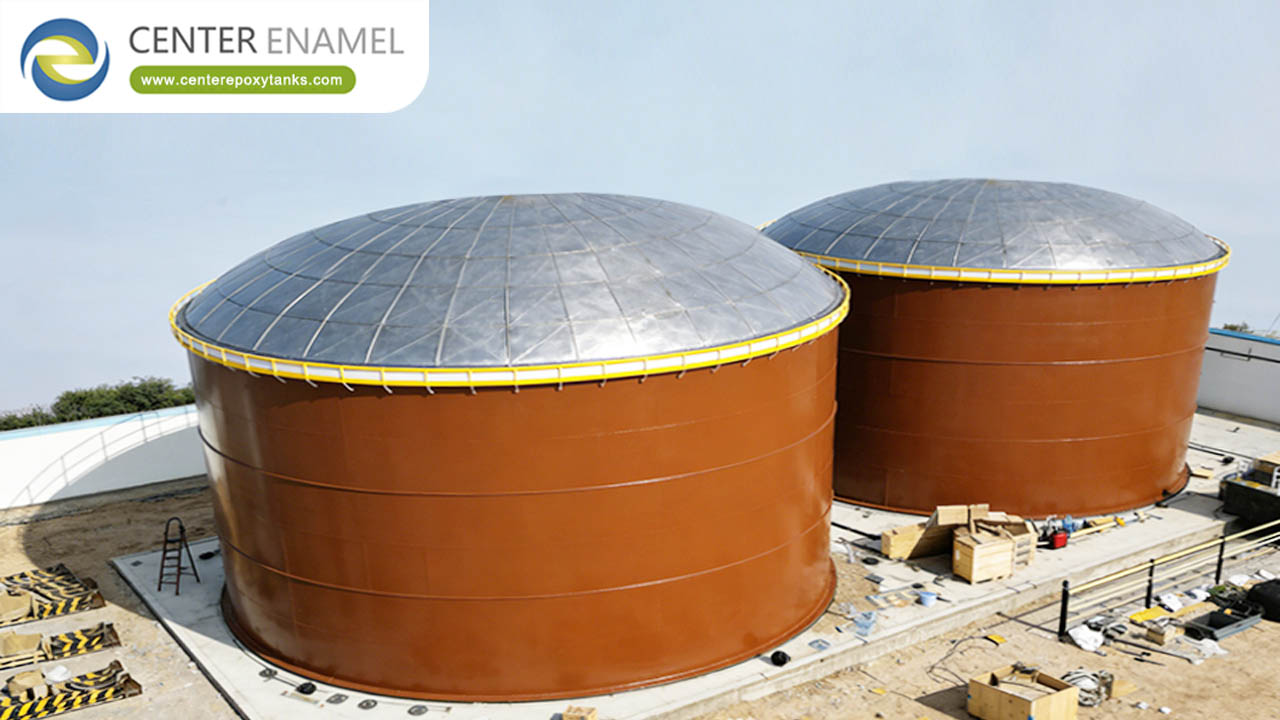
Oil and Gas Storage Tank Roofs: Internal Pressure, Breathing Losses, and Venting
A storage tank roof does a quiet double job: it holds a small pressure envelope together, and it manages the tank's breathing — the daily rhythm of vapor out as the sun heats, air in as the night cools and pumps draw. Size the venting wrong and the roof crumples on pump-out or tears at the weak seam in the fire case; ignore the breathing and the product quietly evaporates.
Oil and gas storage tank roofs manage internal pressure and breathing losses across regimes from atmospheric cones (API 650) through low-pressure designs to 2.5 psig (Annex F) and API 620's 15 psig class, with conservation and emergency vents sized to API 2000, and vapor recovery or floating decks applied where breathing losses justify capture.
1. How Do Roof Designs Handle Internal Pressure?
Pressure class is the first roof specification.
· Atmospheric cone roofs: API 650 main-body designs for near-atmospheric service, relying on frangible roof-shell joints for extreme overpressure.
· Annex F pressure service: Anchored roofs and upgraded shell details where internal pressure to 2.5 psig must be contained rather than vented.
· API 620 roofs: Domed and shaped designs carrying up to 15 psig for gas processing and low-pressure vapor services.
· Venting as the safety valve: Whatever the class, API 2000 sizing of conservation and emergency vents defines the pressure story — the roof survives what the vents release.
2. What Are Breathing Losses and How Are They Controlled?
Every vapor space breathes; control is a strategy ladder.
· The mechanism: Daily thermal cycles expand and contract the vapor space, exhaling product vapor and inhaling fresh air — standing losses that accumulate daily.
· Floating roofs and decks: Eliminating the vapor space removes most of the mechanism — up to 99% with internal decks on volatile products.
· Vapor recovery: Closed vent systems route breathing vapor to VRUs or flares — the standard on terminal tank batteries.
· Vapor balancing: Fill-and-load vapor balancing between truck and tank returns vapor to the loading source instead of the tank vent.
3. How Is Venting Sized and Maintained?
API 2000 arithmetic plus maintenance discipline.
· Thermal in/out-breathing: Vapor expansion and contraction plus product vapor pressure set the baseline flows.
· Liquid movement: Maximum fill and pump-out rates add displacement flows; vacuum protection on pump-out is a roof-saving calculation.
· Emergency venting: Fire-exposure vapor generation sets emergency capacity, provided by larger vents, or by design to frangible failure.
· Inspection: Pallet and seat condition, flame arrestor cleanliness (where fitted), and set-point verification on scheduled cycles — a stuck-closed vent is a latent roof failure.
Data Table: Roof Pressure Classes and Venting
Pressure Class | Design Basis | Venting Duty |
Atmospheric | API 650 cone/dome | API 2000 thermal + emergency |
To 2.5 psig | API 650 Annex F | Set pressure + emergency |
To 15 psig | API 620 | Pressure/vacuum valves |
Floating deck | API 650 Annex H/EFR | Rim-space ventilation |
Closed to VRU | Vapor tied-in | Recovery system sized |
Frequently Asked Questions (FAQ)
Q1: Why do storage tanks breathe?
The vapor space above the liquid expands with daytime heating and contracts with nighttime cooling, and liquid level changes displace vapor in and out. Each exhalation carries product vapor — 'breathing losses' — which is why venting design and vapor control are inseparable from roof design.
Q2: What is API 2000 venting?
The standard that sizes atmospheric and low-pressure tank venting: thermal in/out-breathing from vapor space temperature cycles, displacement flows from filling and emptying, and emergency capacity for fire exposure. Correct API 2000 sizing is what keeps roofs attached under overpressure and un-crumpled under pump-out vacuum.
Q3: When does a tank roof need to contain pressure instead of venting it?
When product vapor economics or process design justify holding pressure — up to 2.5 psig under API 650 Annex F with anchored roofs, or to 15 psig with API 620 design. Vapor recovery systems likewise prefer closed, pressure-rated roofs that route breathing vapor to capture rather than atmosphere.
Q4: How much product is lost through tank breathing?
Depends on vapor pressure, vapor space volume, and climate: light products in large fixed-roof tanks can lose tonnes per year each through daily breathing; internal floating decks cut those losses by up to 99%, which is why emission programs and economics point the same direction.


