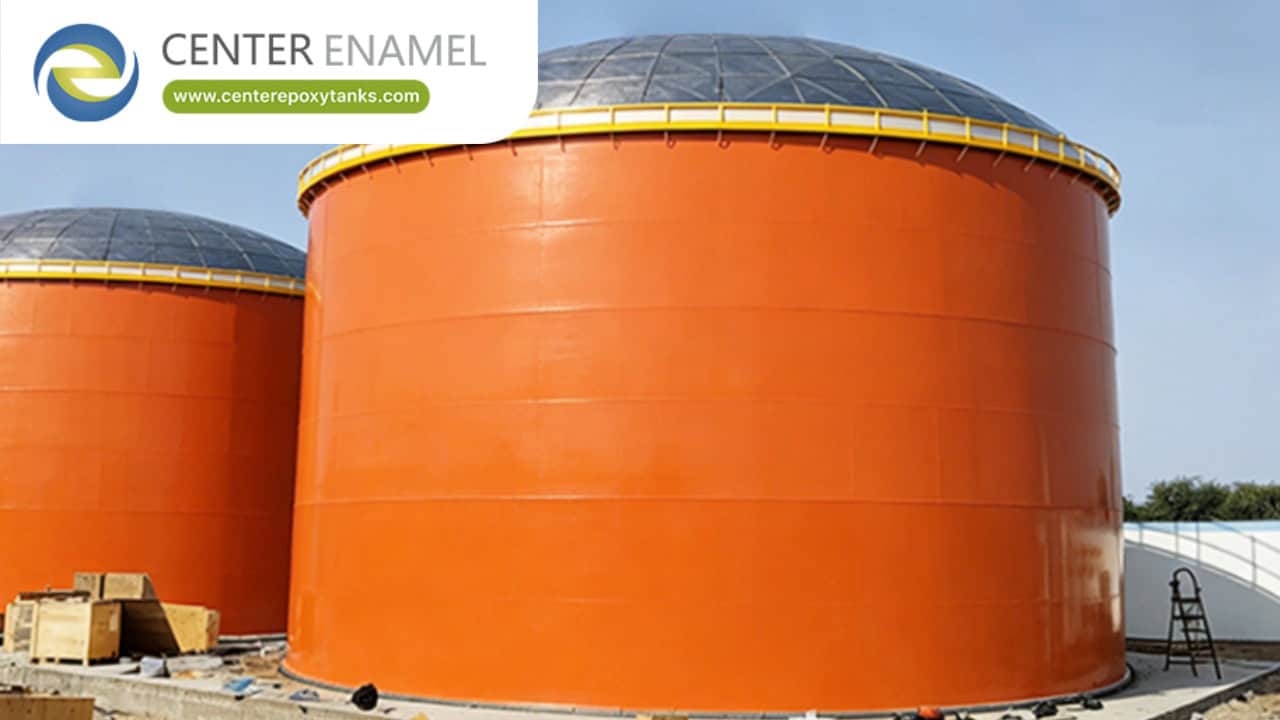
Oil, Fuel, and Diesel Tanks: Storage Solutions for Commercial and Industrial Fueling
Every fleet yard, hospital, mine, and data center eventually runs the same arithmetic: on-site fuel storage against downtime risk and fuel logistics cost. The engineering is straightforward when it starts from the product class and the consumption profile — and expensive when it starts from a catalog page.
Oil, fuel, and diesel tanks provide on-site storage for fueling and heating duty, selected by product class (diesel to heavy fuel oil), volume (from 5,000-liter day tanks to 100,000 m3 terminal farms), and code regime — UL 142 shop tanks and API 650 field tanks under NFPA 30 siting and containment rules, with dispensing and monitoring systems matched to the operation.
1. How Do Product and Volume Shape Tank Choice?
Product class drives vapor control, heating, and material decisions.
· Diesel and biodiesel blends: Class II combustible liquid in shop-built UL 142 tanks or small API 650 tanks; biodiesel blends add cold-flow and water-management considerations.
· Light fuel oil: No. 2 heating oil follows diesel-class practice for boiler and dryer service in institutional plants.
· Heavy fuel oil: Viscous products need API 650 tanks with steam or hot-oil heating coils, insulated shells, and recirculation systems to stay pumpable.
· Volume segmentation: Day tanks for generators, working tanks for fleets, and bulk farm tanks for terminals — often the same site uses all three tiers.
2. What Does a Complete Fueling Installation Include?
The tank is the core; the system around it decides operational success.
· Transfer and dispensing: Pumps, meters, and dispensers isolated per code, with hose reels and high-flow nozzles matched to fleet turnaround.
· Monitoring and control: Level gauging linked to inventory software, fuel polishing on low-turnover tanks, and leak detection per containment design.
· Filtration and water control: Water separators and polishing loops protect modern common-rail engines and turbine-grade fuel specifications.
· Access and safety: Fuel delivery fill stations with spill containment, bonding and grounding, and fire extinguisher placement per code.
3. What Compliance Framework Applies?
Fueling operations sit squarely inside fire and environmental codes.
· NFPA 30 and local equivalents: Class-based separation, containment, and venting for the stored products.
· Environmental programs: SPCC-type plans where thresholds trigger them, with containment sizing and inspection documentation.
· Dispenser codes: NFPA 30A-style rules for vehicle fueling areas — dispenser setback, emergency shutoff, and vapor management where required.
· Insurance inspections: FM-style standards often exceed code minimums on spacing, drainage, and suppression — worth aligning to at design stage.
Data Table: Fuel Storage by Product and Duty
Product | Typical Tank | Special Requirements |
Diesel / Biodiesel | UL 142 double-wall | Water mgmt, cold-flow |
No. 2 fuel oil | UL 142 / small API 650 | Vent sizing, day tank |
Heavy fuel oil | API 650 + coils | Heating, insulation |
Generator fuel | Base/skid tanks | Polishing loop, turnover |
Fleet dispensing | Horizontal AST farm | Dispenser code, canopy |
Frequently Asked Questions (FAQ)
Q1: What size diesel tank does a facility need?
A common basis is 1.5-2 weeks of peak consumption plus code reserve: a 50-vehicle diesel fleet burning 3,000 liters daily typically installs 40,000-80,000 liters of storage. Generator day tanks stay small (4-24 hours) with bulk supply feeding them, keeping turnover high and fuel fresh.
Q2: Can diesel and fuel oil share one tank farm?
Yes with dedicated tanks per product — cross-connection risks contamination and code violations. Shared bunds, piping corridors, and dispensing infrastructure are normal, but each product needs its own tank, venting, and inventory line.
Q3: What is the difference between a day tank and a bulk tank?
A day tank holds a short operating window (typically 4-24 hours for a generator) close to the engine, enabling clean fuel turnover and simple controls; the bulk tank holds weeks of inventory and feeds the day tank through transfer pumps and filtration. The pairing protects fuel quality at the point of use.
Q4: How often should stored diesel be tested or polished?
Low-turnover diesel should be sampled twice yearly for water, microbial growth, and cleanliness; polishing loops run continuously or on schedule where turnover is poor. Water bottoms should be drained monthly — microbial contamination at the fuel-water interface is the leading cause of filter plugging and injector damage.


