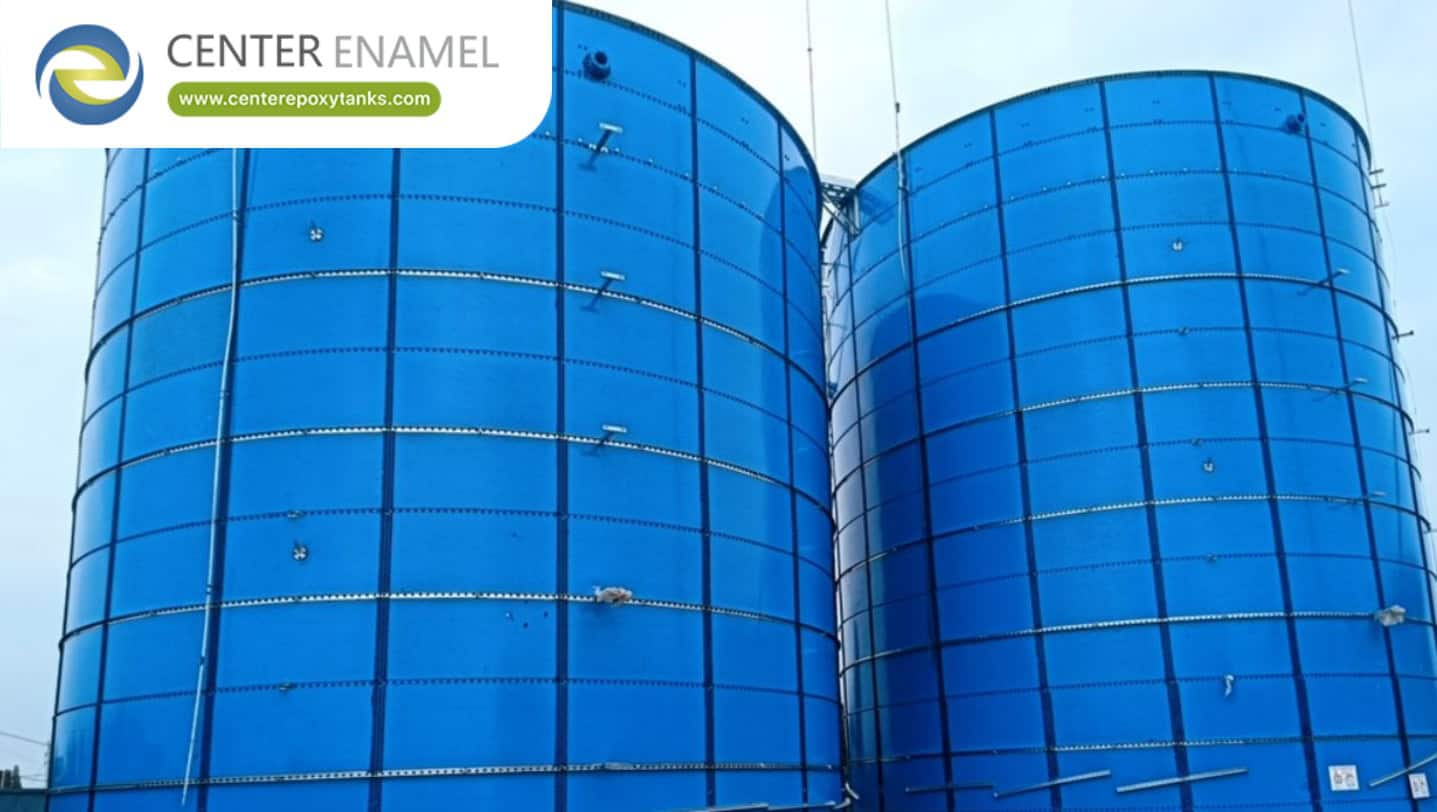
NSF/ANSI 61 Design Standards for Fusion Bonded Epoxy (FBE) Tanks
For municipalities and industrial facilities storing potable water, safety and compliance are paramount. The intersection of Fusion Bonded Epoxy (FBE) technology and the NSF/ANSI 61 standard represents the pinnacle of safe drinking water storage. NSF 61 ensures that no harmful chemicals, volatile organic compounds (VOCs), or heavy metals leach from the tank's internal coating into the water supply. Designing an FBE tank to meet these rigorous standards requires precise control over steel preparation, powder formulation, and thermal curing parameters.
1. Understanding NSF/ANSI 61 in Tank Design
NSF/ANSI 61 (Drinking Water System Components – Health Effects) is a legally recognized standard in North America and widely adopted globally. It establishes the minimum health-effects requirements for the chemical contaminants and impurities that are indirectly imparted to drinking water from products, components, and materials.
In the context of FBE bolted steel tanks, NSF 61 compliance applies to the entire wetted perimeter. This includes:
● The Fusion Bonded Epoxy coating on the interior steel panels.
● Panel joint sealants (mastics or polyurethanes).
● Bolt heads and encapsulations exposed to the water.
● Flange connections, internal nozzles, and gaskets.
2. The FBE Coating Process for Potable Water
Fusion Bonded Epoxy is not a liquid paint; it is a 100% solid, thermosetting powder. To achieve NSF 61 certification, the manufacturing process must follow strict, auditable steps to ensure the coating becomes a completely inert barrier.
Surface Preparation (SSPC-SP10)
Before any powder is applied, the steel panels must be mechanically cleaned. The industry standard is SSPC-SP10 (Near-White Metal Blast Cleaning). This removes all mill scale, rust, and moisture, creating a specific anchor profile (usually 2.0 to 3.0 mils) that allows the epoxy to physically lock into the steel matrix.
Electrostatic Application
The FBE powder is electrostatically charged and sprayed onto the grounded, pre-heated steel panels. Because it contains zero solvents or VOCs, the formulation inherently limits the risk of chemical leaching, making it an ideal candidate for NSF 61 compliance.
Thermal Curing and Cross-Linking
The panel is then moved into a high-temperature curing oven. The heat causes the powder to melt, flow, and undergo a chemical reaction known as cross-linking. If the temperature or time in the oven is insufficient, the epoxy will not fully cross-link, which can lead to chemical leaching and an immediate failure of NSF 61 standards.
3. Critical Engineering & Testing Parameters
To guarantee that an FBE tank meets NSF 61 standards, manufacturers must implement rigorous quality control testing on the finished panels.
● Leachate Extraction Testing: Laboratory testing where the cured FBE panel is exposed to highly formulated water across varying pH levels to detect any trace extraction of organics or metals.
● 100% Holiday Testing: Just like glass-fused-to-steel tanks, NSF 61 FBE tanks must undergo high-voltage spark testing (typically 1100V to 1500V) to ensure there are zero pinholes (holidays) in the coating.
● Adhesion Testing: Standardized tests (such as ASTM D4541 pull-off strength) to ensure the coating will not delaminate under hydrostatic pressure.
● Dry Film Thickness (DFT): The internal coating thickness is strictly monitored, typically requiring a uniform thickness of 7 to 15 mils depending on the specific manufacturer's NSF certification criteria.
4. FBE vs. Alternative Potable Water Coatings
When designing a potable water tank, engineers often compare FBE to other compliant coatings. Here is how FBE stands out in the marketplace:
Feature | Fusion Bonded Epoxy (FBE) | Liquid Epoxy (Field Applied) | Glass-Fused-to-Steel (GFS) |
VOC Content | Zero (100% Solids) | Low to Moderate | Zero |
Factory Applied? | Yes (Highly controlled) | No (Subject to weather) | Yes (Highly controlled) |
NSF 61 Compliance | Excellent | Varies by application quality | Excellent |
Impact Resistance | Very High | Moderate | Moderate (Susceptible to chipping) |
5. Procurement and Compliance Checklist
If you are specifying an FBE tank for a potable water project, you must ensure the manufacturer provides comprehensive proof of compliance. Include the following requirements in your Request for Proposal (RFP):
1. Current NSF Certification: Demand the official, up-to-date NSF/ANSI 61 certificate. The certificate should explicitly list the specific FBE powder formulation used by the manufacturer.
2. Sealant Certification: Verify that the specific mastic or sealant used for the panel joints is independently NSF 61 certified.
3. Factory Audit Reports: Ensure the manufacturer is ISO 9001 certified, which guarantees that their oven temperatures and curing times are consistently monitored and documented.
4. AWWA D103-09 Compliance: Ensure the structural design of the bolted steel tank complies with the American Water Works Association standards, which works in tandem with NSF 61 to guarantee structural and hygienic safety.
Fusion Bonded Epoxy is one of the most advanced, environmentally friendly, and durable coating technologies available for potable water storage. By strictly adhering to NSF/ANSI 61 design standards, FBE tanks provide municipalities and industrial users with a zero-VOC, chemically inert storage solution that guarantees water purity from the day of commissioning through decades of service life.


