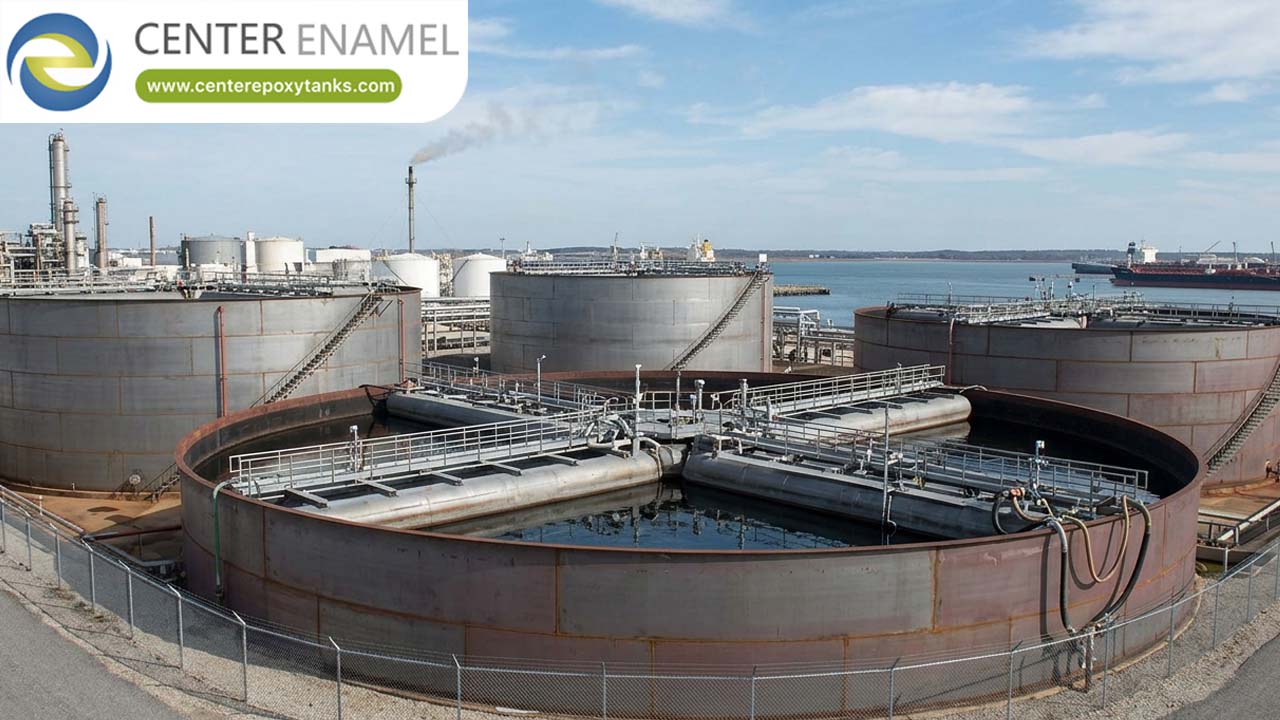
Internal and External Floating Roofs of Tanks: Comprehensive Comparison and Engineering Guide
In modern bulk liquid storage infrastructure, controlling volatile organic compound (VOC) emissions, preventing explosive vapor accumulation, and minimizing product loss are paramount. Floating roof tanks utilize a movable deck that rests directly on the surface of the stored liquid, rising and falling with inventory levels to eliminate the hazardous vapor space (ullage) found in traditional fixed-roof tanks.
Depending on environmental conditions, product volatility, and capital expenditure budgets, engineering teams specify either an Internal Floating Roof (IFR) housed inside a fixed-roof shell or an External Floating Roof (EFR) operating in an open-top cylindrical tank.
1. Internal Floating Roofs (IFR): Design and Operation
An Internal Floating Roof combines the structural protection of a fixed outer roof with the emission-reduction benefits of a floating deck.
·
Configuration: The tank features a permanent fixed roof (conical or domed) bolted or welded to the shell. Beneath this fixed roof, a lightweight aluminum, steel, or composite floating deck rides directly on the liquid surface.
·
·
Primary Advantage: Because the fixed roof shields the floating deck from wind, rain, and snow, the internal roof requires no drainage systems or rolling ladders. This significantly reduces maintenance complexity and prevents rainwater contamination of the stored product.
·
·
Ideal Application: Commonly deployed for storing highly volatile refined petroleum products, aviation fuels, and industrial chemicals where weather protection and strict VOC control are required.
·
2. External Floating Roofs (EFR): Design and Operation
An External Floating Roof consists of an open-top cylindrical tank shell equipped with a heavy-duty pontoon or double-deck floating roof exposed directly to the atmosphere.
·
Configuration: The roof floats openly on top of the liquid product. It is equipped with flexible rim seals and articulated rolling ladders or swing-joint drain pipes to manage rainwater collection and provide safe operator access.
·
·
Primary Advantage: EFRs eliminate volume constraints imposed by fixed roofs, making them the preferred choice for massive crude oil storage terminals with capacities exceeding millions of barrels.
·
·
Ideal Application: Large-scale crude oil storage, heavy petroleum products, and high-turnover bulk terminals where rapid inventory cycling and maximum structural diameter are essential.
·
Data Table: Internal vs. External Floating Roof Tanks
Technical Parameter | Internal Floating Roof (IFR) | External Floating Roof (EFR) |
Tank Shell Structure | Closed top (Fixed roof over floating deck) | Open top (Floating deck exposed to atmosphere) |
Weather Protection | High (Fixed roof blocks rain, snow, and wind) | None (Roof directly exposed to precipitation and sun) |
Rainwater Management | Not required (Fixed roof prevents entry) | Required (Emergency roof drains and flexible piping) |
Vapor Space (Ullage) | Minimal (Small vapor pocket beneath fixed roof) | Virtually zero (Deck rests directly on liquid surface) |
Capacity & Diameter | Generally suited for small to medium diameters | Engineered for massive diameters (up to 100+ meters) |
Primary Stored Products | Refined fuels, jet fuel, volatile chemicals | Crude oil, heavy petroleum distillates |
Frequently Asked Questions (FAQ)
Q: Which system provides better protection against rainwater contamination?
A: The Internal Floating Roof (IFR) provides superior protection because the permanent fixed outer roof completely prevents rain, snow, and debris from reaching the floating deck or mixing with the stored liquid.
Q: How do floating roof tanks control VOC emissions?
A: Both IFR and EFR designs eliminate the large vapor space above the liquid. Additionally, they utilize specialized primary and secondary rim seals (such as mechanical shoe seals or wiper seals) that close the gap between the deck edge and the tank wall, reducing evaporative emissions by up to 99%.
Q: Why are External Floating Roofs (EFRs) preferred for crude oil storage?
A: EFRs allow for unlimited tank diameters and massive storage volumes required by crude oil terminals. Their open-top design simplifies ventilation of heavy gases and accommodates large-scale mechanical mixing equipment.
Q: Do internal floating roofs require roof drainage systems?
A: No. Because the fixed outer roof protects the internal floating deck from precipitation, internal floating roofs do not require articulated drainage pipes or roof sumps, lowering long-term maintenance requirements.


