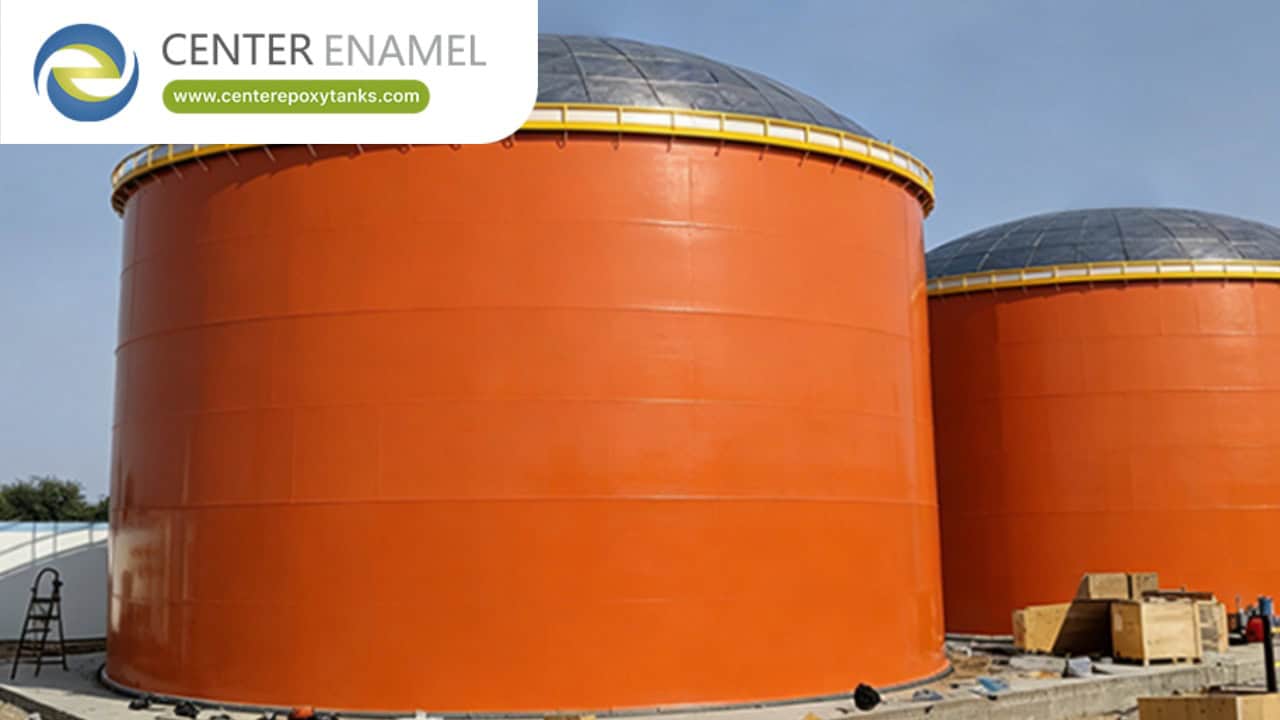
How to Choose and Maintain Your Oil Storage Tanks: A Comprehensive Guide
Investing in and managing aboveground petroleum storage infrastructure requires a careful balance of engineering precision, material selection, and rigorous upkeep. Choosing the wrong tank design or neglecting routine maintenance can lead to catastrophic environmental spills, regulatory fines, and costly operational downtime.
Whether you are scaling up upstream oilfield production facilities or optimizing downstream terminal reserves, understanding how to systematically evaluate, select, and maintain your oil storage assets is paramount.
1. How to Choose the Right Oil Storage Tank
Selecting an appropriate oil storage tank involves analyzing several technical, chemical, and operational parameters to ensure long-term structural integrity:
High-Volatility Media (such as light crude, gasoline, and naphtha) require External Floating Roof Tanks (EFRTs) or Internal Floating Roof Tanks (IFRs) built under API 650 Annex C or H to suppress volatile organic compound (VOC) emissions.
Low-Volatility Media (such as heavy crude, diesel, and residual fuel oils) can safely utilize Fixed Cone Roof Tanks equipped with pressure-vacuum relief valves (PVRVs).
Determine Capacity and Footprint Requirements: Evaluate your volumetric throughput, surge buffering needs, and available site space. High-volume terminal reserves call for large API 650 field-erected tanks, whereas smaller upstream wellheads utilize shop-welded API 12F or modular bolted steel tanks.
Verify Governing Standards Compliance: Ensure the manufacturer adheres strictly to recognized international codes. API 650 governs welded steel tanks for oil storage, while API 12B/12F regulate bolted and shop-welded production tanks. Material selection must match the specific gravity and corrosiveness of the stored fluid.
Evaluate Site Environmental Conditions: Account for local seismic ratings, wind load velocities, and ambient temperature extremes to dictate shell thickness, anchor bolt requirements, and insulation needs.
2. Best Practices for Oil Storage Tank Maintenance
Once an industrial storage tank is operational, maintaining its structural health requires a proactive, multi-layered asset integrity management program:
Routine Visual Inspections (Daily/Monthly): Conduct regular inspections of the tank exterior, foundation ringwalls, shell coatings, and piping connections. Check for signs of oil weeping, structural distortion, paint blistering, or foundation settling.
Comprehensive API 653 In-Service and Out-of-Service Inspections: Adhere strictly to API 653 guidelines (Tank Inspection, Repair, Alteration, and Reconstruction). Routine external visual inspections should occur bi-annually, while internal non-destructive examinations (using ultrasonic thickness testing and magnetic particle testing) are mandated every 5 to 10 years depending on corrosion rates.
Corrosion Mitigation and Cathodic Protection: Monitor galvanic corrosion by testing sacrificial anode systems or impressed current cathodic protection networks. Ensure interior epoxy linings and exterior protective coatings are regularly serviced to prevent plate thinning.
Vapor and Vent System Maintenance: Inspect pressure-vacuum relief valves (PVRVs), emergency hatches, and flame arrestors periodically to guarantee they are free of mechanical binding, ice blockages, or debris buildup.
Data Table: Oil Storage Tank Selection and Maintenance Matrix
Operational Phase | Key Evaluation Parameter | Primary Governing Standard | Best Practice / Action Protocol |
Selection | Volatility & Vapor Control | API 650 (Annex C & H) | Match floating or fixed roofs to fluid vapor pressure to minimize VOC loss. |
Selection | Volumetric Capacity | API 650 / API 12F / API 12B | Choose field-erected, shop-welded, or bolted modules based on site scale. |
Maintenance | Structural Integrity & Shell Wear | API 653 | Perform ultrasonic thickness testing and weld inspections during scheduled outages. |
Maintenance | Corrosion Control | API 579 / NACE Standards | Inspect internal linings and monitor cathodic protection systems continuously. |
Maintenance | Venting & Safety Valves | API 2000 | Clean and test PVRVs and emergency breather hatches bi-annually. |
Frequently Asked Questions (FAQ)
Q: What factors are most important when choosing an oil storage tank?
A: The most critical factors include the chemical volatility and specific gravity of the stored liquid, required volumetric capacity, site environmental conditions (wind, seismic loads), and strict compliance with design codes like API 650.
Q: What is the purpose of API 653 in tank maintenance?
A: API 653 is the industry standard governing the inspection, repair, alteration, and reconstruction of in-service aboveground storage tanks. It provides the minimum requirements needed to maintain structural integrity and safety over the tank's operational lifecycle.
Q: How often should an oil storage tank be inspected?
A: Routine external visual checks should be conducted twice a year, while comprehensive internal inspections using non-destructive testing (per API 653 guidelines) are typically required every 5 years, depending on fluid corrosiveness and regulatory jurisdiction.
Q: How can I prevent corrosion in crude oil storage tanks?
A: Corrosion is mitigated by applying high-performance internal epoxy coatings, installing cathodic protection systems (sacrificial anodes or impressed current), and conducting regular ultrasonic thickness measurements to detect metal loss early.


