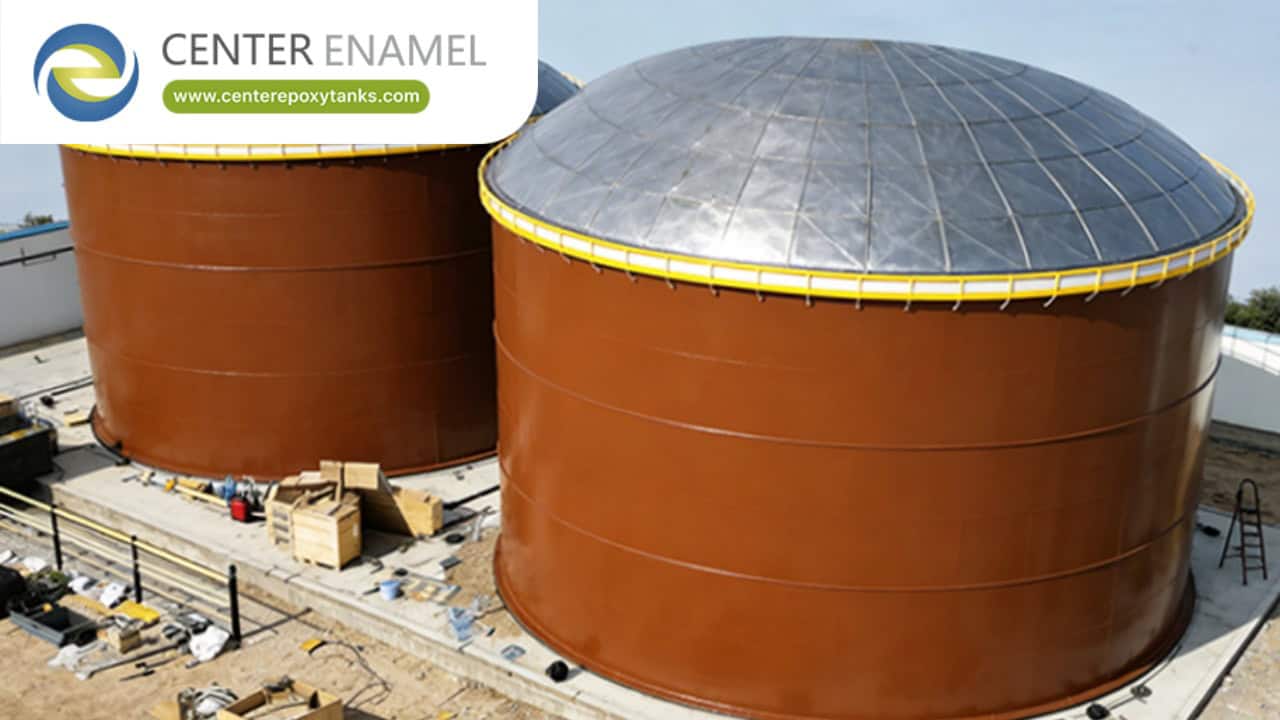
Fuel Oil Storage Tanks: Complete Guide to Design, Standards, and Maintenance
In commercial, industrial, and municipal operations, dependable backup power, industrial heating, and fleet fueling rely heavily on secure liquid reserves. Fuel oil storage tanks—engineered specifically to contain diesel, heating oil, kerosene, and heavy residual fuel oils—are critical assets designed to prevent environmental contamination, minimize volatile emissions, and guarantee continuous energy availability.
Whether deployed as shop-fabricated units for emergency backup generators or massive field-erected structures at bulk petroleum terminals, fuel oil tanks must be constructed and maintained in absolute compliance with stringent international engineering codes.
1. Primary Types and Configurations of Fuel Oil Storage Tanks
Fuel oil storage vessels are categorized based on their physical placement, structural configuration, and manufacturing standards:
Aboveground Storage Tanks (ASTs): The preferred option for industrial and commercial facilities due to ease of visual inspection and direct leak detection. ASTs are commonly built to UL 142 shop-fabricated standards or API 650 large-scale field-erected standards.
Underground Storage Tanks (USTs): Buried fully or partially beneath grade level, typically deployed where surface space is restricted or in specific retail fueling applications. Modern USTs feature double-wall construction and interstitial monitoring.
Double-Wall and Fire-Resistant Tanks: Utilizing secondary containment shells or thermal insulation (such as Flameshield or UL 2085 designs), these tanks protect fuel supplies against external fire exposure, physical impact, and environmental leaks.
2. Essential Governing Standards and Safety Codes
To guarantee structural safety and prevent catastrophic spills, fuel oil storage systems must comply with rigorous safety codes:
UL 142 (Steel Aboveground Tanks for Flammable and Combustible Liquids): The primary benchmark for shop-fabricated horizontal and vertical tanks, establishing rigorous testing for material thickness, weld strength, and pressure limits.
API 650 (Welded Tanks for Oil Storage): Governs large-scale, vertical field-erected welded steel tanks used in bulk fuel terminals and midstream storage facilities.
NFPA 31 / NFPA 30: Fire protection codes that dictate proper tank spacing, emergency venting capacity, piping connections, and mandatory secondary containment requirements for combustible fuel liquids.
Data Table: Fuel Oil Storage Tank Comparison Matrix
Tank Classification | Governing Standard | Typical Capacity Range | Primary Applications | Core Design Feature |
UL 142 Shop-Fabricated AST | UL 142 / ULC S601 | 250 to 30,000 gallons | Emergency backup generator fuel, boiler supply, fleet fueling | Pre-engineered factory build with optional double-wall containment |
API 650 Field-Erected Tank | API 650 | 10,000 to 5,000,000+ gallons | Bulk fuel terminals, refinery storage, regional reserves | Welded steel plates engineered for high hydrostatic loads |
UL 2085 Protected Tank | UL 2085 | Up to 30,000 gallons | Urban commercial facilities, high-risk fire zones | Concrete or thermal insulation encasement for fire resistance |
Underground Storage (UST) | UL 58 / UL 1746 | Variable commercial scales | Retail service stations, municipal underground reserves | Corrosion-resistant coatings and interstitial leak monitoring |
3. Best Practices for Fuel Oil Tank Maintenance
Proper upkeep ensures long-term asset reliability and prevents fuel degradation or tank corrosion:
Moisture and Sludge Management: Condensation inside fuel tanks can cause microbial growth (diesel bug) and internal corrosion. Install water traps, utilize fuel biocides, and schedule periodic tank cleaning.
Routine Leak Detection and Interstitial Monitoring: Regularly check secondary containment spaces, electronic leak sensors, and gauge lines to detect potential breaches early.
Corrosion Protection: Inspect exterior protective coatings and test cathodic protection systems to prevent galvanic corrosion on steel shell walls.
Frequently Asked Questions (FAQ)
Q: What is the difference between UL 142 and API 650 fuel oil tanks?
A: UL 142 governs shop-fabricated horizontal or vertical tanks up to moderate capacities used for emergency generators and local fuel supply. API 650 governs large, field-erected welded steel tanks used for high-volume bulk petroleum terminal storage.
Q: Why is secondary containment required for fuel oil storage tanks?
A: Secondary containment (such as a double-wall tank or an earthen dike) ensures that any accidental spill, overfill, or structural leak is completely captured, preventing soil and groundwater contamination.
Q: How do you prevent fuel degradation in long-term storage tanks?
A: Fuel degradation is mitigated by keeping tanks free of water condensation, using fuel stabilizers and biocides to prevent microbial growth, and conducting routine fuel testing.
Q: What standard governs the fire safety of fuel oil installations?
A: Fuel oil systems are primarily regulated by NFPA 31 (Installation of Oil-Burning Equipment) and NFPA 30 (Flammable and Combustible Liquids Code), which outline venting, piping, and separation distances.


