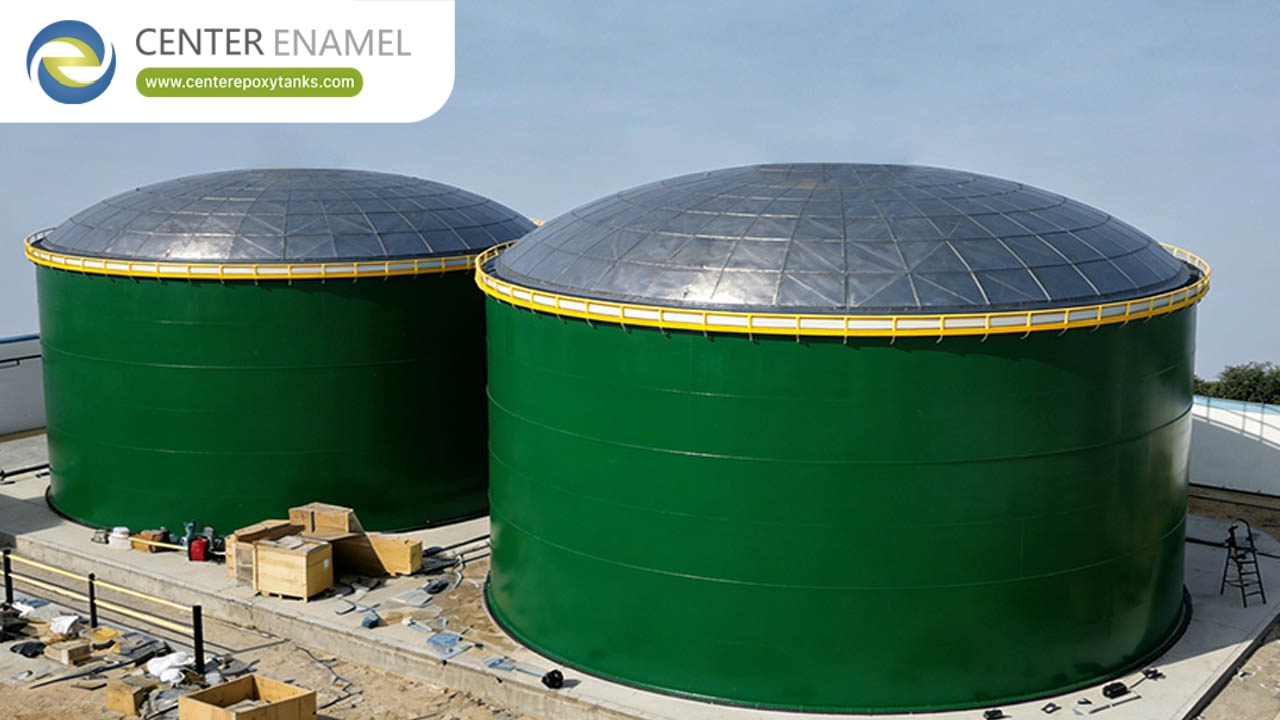
Glossy Oil Storage Tanks: High-Performance Coatings for Finish and Protection
A glossy oil tank is not vanity — in terminals beside cities, along highways, and inside brand-visible facilities, the tank's finish is the operator's signage. But a gloss that fades in two years is worse than matte ever was. The engineering answer is a full coating system in which gloss is the visible top layer of genuine corrosion protection.
Glossy oil storage tanks are steel vessels finished with a high-performance coating system — blast-cleaned steel, corrosion-inhibiting epoxy primer, and a UV-stable high-gloss polyurethane topcoat — delivering both long-term substrate protection and a colorfast, cleanable, inspection-friendly finish that keeps storage assets looking maintained for years.
1. What Coating System Produces a Durable Gloss?
Gloss is the top of a three-layer structure.
· Surface preparation: Blast cleaning to the specified profile — gloss dies fastest over poorly anchored film; adhesion is built before any paint.
· Epoxy primer coat: Zinc-rich or epoxy primer providing the corrosion barrier and adhesion bridge to the steel.
· Polyurethane topcoat: High-gloss PU finish providing UV stability, color retention, and the reflective surface that defines the look.
· Film discipline: Total dry film thickness measured per coat — a gloss system is specified thickness, not a paint brand.
2. What Does Gloss Actually Do Beyond Looks?
The shine carries protective and operational value.
· Inspection aid: Defects, corrosion spots, and damage show immediately on a uniform glossy surface — matte finishes hide the early warnings.
· Cleanability: Smooth high-gloss film sheds dust and grime; tanks wash back to original appearance.
· UV defense: The PU topcoat absorbs the UV that chalks epoxies — protecting the primer layers beneath.
· Branding and community value: Colorfast, well-kept tankage signals operational discipline to regulators, neighbors, and customers.
3. How Is the Gloss Maintained Over Years?
Gloss retention is a maintenance program.
· UV-stable chemistry: Polyurethane (or polysiloxane) topcoats specified where sunlight exposure is intense — chalking is chemistry, not luck.
· Wash schedules: Periodic washing removing contaminants before they stain or etch the film.
· Touch-up discipline: Matching overcoat of scratches and mechanical damage before corrosion starts at the breach.
· Repaint economics: Topcoat renewal at gloss loss — the intact primer means recoat is a fraction of the original system cost.
Data Table: Gloss Coating System Layers
Layer | Function | Thickness Share |
Blast profile | Anchorage for all coats | — |
Epoxy primer | Corrosion barrier + adhesion | ~40-50% of DFT |
Polyurethane topcoat | Gloss, UV, color, cleanability | ~30-40% of DFT |
Total system | Protection + appearance | Per specification |
Frequently Asked Questions (FAQ)
Q1: Why do oil storage tanks have glossy coatings?
Gloss delivers more than appearance: high-gloss polyurethane topcoats provide UV protection for the coating system, make corrosion and damage visible for inspection, and shed grime so tanks stay clean — while giving facilities a maintained, professional look that matters beside communities and customers.
Q2: What coating system gives tanks a durable gloss finish?
A three-part system: blast-cleaned steel for anchorage, an epoxy primer for corrosion protection and adhesion, and a UV-stable high-gloss polyurethane topcoat. The gloss is only as durable as the layers beneath it — film thickness and surface preparation decide the outcome.
Q3: How long does a gloss tank coating last?
A properly applied PU gloss system retains gloss and color for years before chalking begins; the underlying corrosion protection lasts longer still. When gloss eventually dulls, the intact primer allows topcoat renewal at a fraction of the original coating cost.
Q4: Do glossy coatings cost more than standard tank coatings?
The premium is modest — the same preparation and primer with a PU topcoat instead of a flat alkyd or epoxy finish. Against that premium: longer aesthetic life, better inspection visibility, and easier cleaning — value beyond appearance for most operators.


