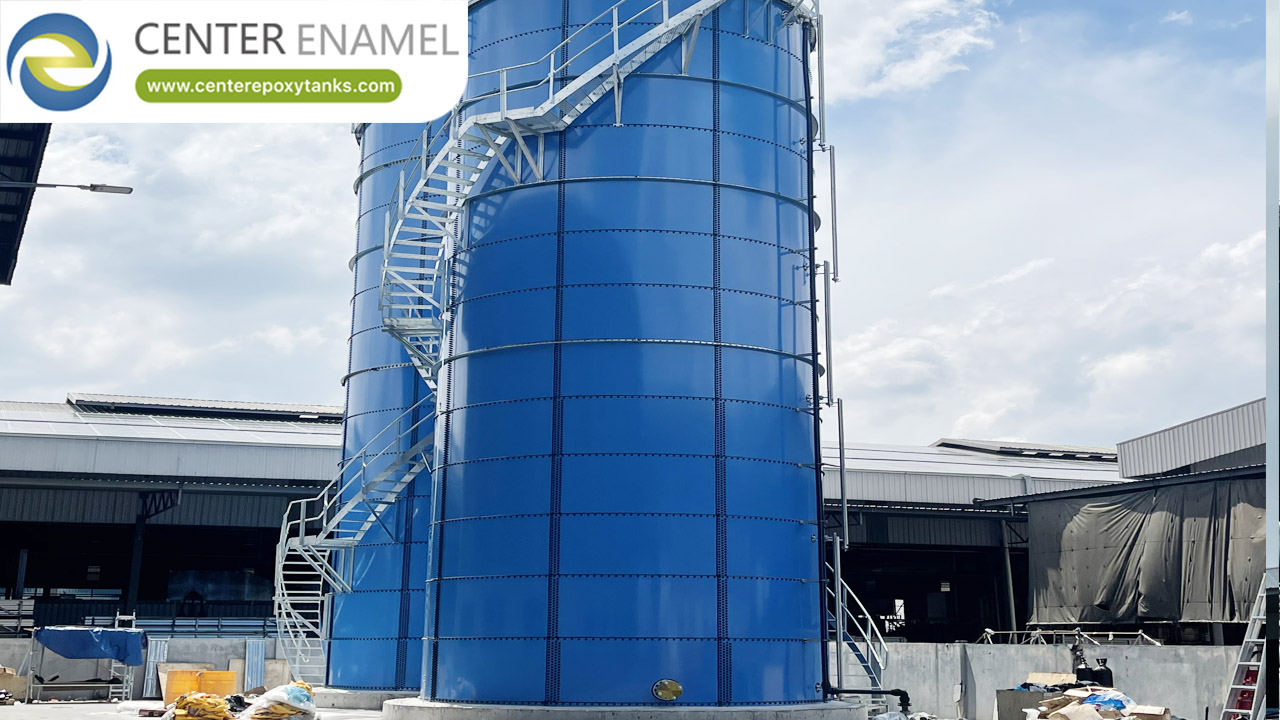
Fusion Bonded Epoxy Tanks: Features, Specifications, and Industrial Applications
With over 30 years of expertise in the engineering, fabrication, and construction of bolted tanks, advanced manufacturing has revolutionized industrial containment. Through strategic partnerships with global leaders in paints and coatings like AkzoNobel, cutting-edge Fusion Bonded Epoxy (FBE) coating technology has been engineered to deliver storage tanks that combine exceptional cost-efficiency with high-performance durability.
Utilizing advanced electrostatic spraying techniques and premium materials, Fusion Bonded Epoxy tanks offer superior corrosion resistance and longevity. Complying with rigorous international standards such as AWWA D103-09, ISO 9227, and ASTM B117, these tanks match the elite quality of traditional Glass-Fused-to-Steel systems while providing flexible, environmentally friendly solutions for diverse industrial sectors.
Advanced Coating Technology & Technical Specifications
The elite performance of an FBE tank relies on its dual-sided coating system, designed to withstand aggressive chemical environments and punishing weather conditions.
1. Internal Coating: Resicoat® R4-ES
Engineered for supreme interior chemical and immersion resistance.
Average Dry Film Thickness: 7~11 mils (180 ~280 microns)
Corrosion Resistance (Salt Spray ISO 9227): 4,000 hours with no change
Impact Resistance (ASTM G14 modified on 1/8 in steel plate): Pass >18J
Chemical Resistance (pH 3-13, 23°C / EN598): Pass
Abrasion Resistance (ASTM D4060): <40mg (C5-17, 1000g, 1000 cycles)
Hardness (ISO 15184 / ASTM D3363): 2H
Holiday Test: 1100V / 1500V tested on every individual panel (Pass)
2. External Coating: Interpon D2015 (Epoxy Primer & Polyester Topcoat)
Optimized for long-term exterior durability and UV stability.
Average Dry Film Thickness: 6~10 mils (150 ~250 microns)
Exterior Durability (AAMA 2604): Pass - 5 years Florida outdoor exposure
Accelerated Weathering (ISO 11341): Pass - 1,000 hours
Impact Resistance (ASTM D2794): Pass
Core Advantages of Fusion Bonded Epoxy Tanks
Bolted FBE tanks provide distinct operational and logistical advantages over traditional welded storage vessels:
Elimination of Cathodic Protection: Excellent edge coverage across panel edges and bolt holes eliminates the requirement for costly secondary cathodic protection systems.
Reduced Installation Overhead: Modular bolted construction requires significantly less heavy field equipment and manual labor on-site.
Superior Mechanical Flexibility: Enhanced shock and flexibility resistance minimizes coating damage during long-distance shipping and on-site handling.
Repairability & Longevity: If damaged during service, the coating is easily repaired in the field. Furthermore, tanks can be repainted after their primary service life to extend total operational longevity.
UV Resistance: High-grade exterior polyester topcoats maintain color consistency and gloss even under the harshest solar exposure.
Primary Industrial Applications
Due to their robust chemical and structural resilience, Fusion Bonded Epoxy tanks are deployed across multiple critical sectors:
Drinking Water Storage: Provides safe, certified, and reliable storage for municipal and rural potable water supply reservoirs.
Wastewater Treatment: Ideal for municipal wastewater treatment plants and industrial effluent containment tanks.
Fire Water Storage: High-reliability structural water reserves for industrial and commercial fire protection networks.
Agricultural Uses: Secure storage for irrigation water, liquid fertilizers, and commercial rainwater harvesting systems.
Specialized Industrial Containment: Utilized for crude oil reserves, refinery distillates, drilling fluids, brines, and mild acids or alkalis.
Frequently Asked Questions (FAQ)
Q: What is a Fusion Bonded Epoxy (FBE) tank?
A: An FBE tank is a bolted steel storage vessel where individual steel panels are electrostatically coated with a high-performance epoxy powder (such as AkzoNobel Resicoat) and thermally cured in a factory, fusing the coating permanently to the metal for superior corrosion resistance.
Q: Do FBE tanks require cathodic protection?
A: No. Because the electrostatic spraying and thermal bonding process ensures flawless edge coverage across all panel edges and bolt holes, external cathodic protection is generally unnecessary.
Q: How do FBE tanks perform in corrosive wastewater environments?
A: Exceptionally well. Internal coatings like Resicoat® R4-ES pass rigorous chemical immersion tests (handling pH ranges from 3 to 13) and endure over 4,000 hours of salt spray testing without degradation, making them ideal for municipal and industrial wastewater.
Q: Can Fusion Bonded Epoxy tanks be repaired if damaged?
A: Yes. Unlike Glass-Fused-to-Steel tanks, FBE tank panels can be easily evaluated and patch-repaired directly in the field if minor mechanical damage occurs during installation or long-term operation.


