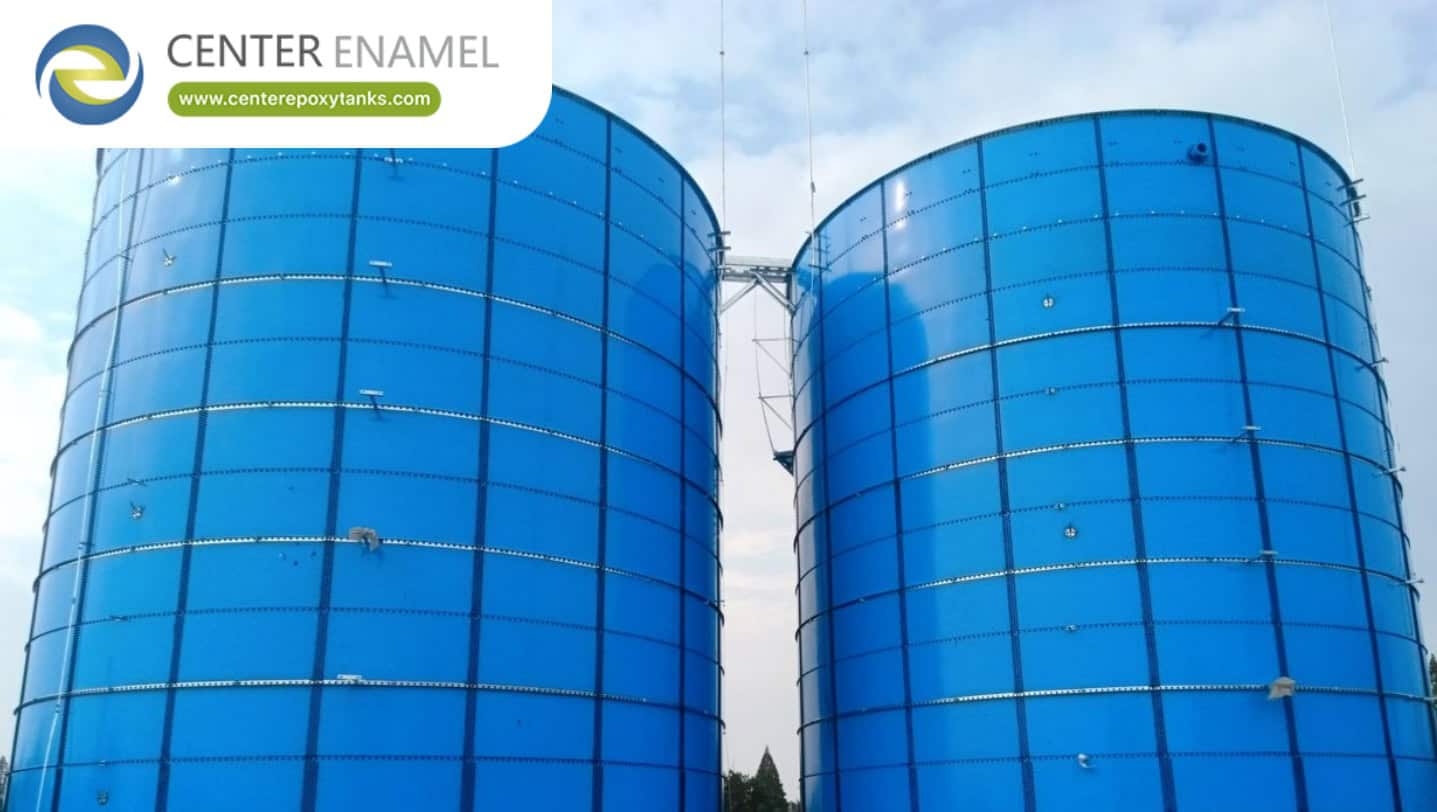
Fusion Bonded Epoxy (FBE) vs. Galvanized Tanks: The Engineering Case for Superior Storage
Fusion Bonded Epoxy (FBE) tanks are superior to Zincalume and galvanized alternatives because they utilize barrier protection technology rather than sacrificial zinc coating. While galvanized steel relies on the zinc layer corroding first to protect the steel (a finite process), FBE creates an impervious, factory-bonded thermoset polymer layer that isolates the steel from the environment. This results in significantly higher chemical resistance, a wider acceptable pH range (2–13), and the elimination of "white rust" issues, making FBE the preferred choice for long-term industrial and potable water storage.
The Mechanism: Barrier vs. Sacrificial Protection
To understand why FBE is the better engineering choice, you must compare how these two materials handle the environment.
Galvanized/Zincalume (Sacrificial Protection): These materials work by applying a zinc (or aluminum-zinc) coating to the steel. The zinc acts as a "sacrificial anode," meaning it corrodes to protect the steel underneath. The fundamental flaw? It is a finite resource. Over time, the zinc layer depletes. Once the zinc is gone, the steel begins to rust, and the tank's integrity is compromised.
Fusion Bonded Epoxy (Barrier Protection): FBE is a factory-applied thermoset polymer. It is bonded to the steel at high temperatures (typically 180°C–250°C), creating a seamless, chemically inert barrier. Because it is a barrier, it does not rely on degrading to protect the tank. It physically seals the steel off from moisture, oxygen, and chemicals.
Why FBE Wins in Critical Metrics
1. Chemical Versatility & pH Range
Galvanized tanks are highly sensitive to water chemistry. If your stored water (or liquid) has a low or high pH, it will rapidly attack the zinc coating, leading to premature failure. FBE coatings are inert and designed to handle a pH range of 2–13, making them suitable for potable water, wastewater, firewater, and even industrial process fluids that would destroy a galvanized tank.
2. The "White Rust" Factor
Zincalume and galvanized tanks are prone to "white rust" (zinc hydroxide), particularly in high-humidity or poorly ventilated conditions. This degradation creates a white, powdery, or jelly-like residue that compromises the coating and can leach zinc into the stored liquid. FBE is chemically stable and does not suffer from this environmental sensitivity.
3. Uniformity via Factory Application
Galvanized tanks are often "dipped," which can result in inconsistent coating thickness, especially on edges or complicated geometric features. FBE is applied in a controlled factory environment using electrostatic spraying. This ensures the coating wraps uniformly around bolt holes, edges, and corners—the very points where galvanized tanks usually fail first.
Comparison Matrix: Engineering Perspective
Feature | Galvanized / Zincalume | Fusion Bonded Epoxy (FBE) |
Protection Type | Sacrificial (Finite lifespan) | Barrier (Inert, long-term) |
pH Tolerance | Narrow (typically 6.5–8.5) | Wide (typically 2–13) |
Edge Protection | Often weak/prone to failure | Excellent (electrostatic coverage) |
Maintenance | Frequent inspections required | Low maintenance, high longevity |
Ideal Environment | Stable, non-aggressive water | Industrial, harsh, or variable chemistry |
Frequently Asked Questions (FAQ)
Q: Are FBE tanks more expensive than galvanized tanks?
A: The upfront capital expenditure (CAPEX) for FBE tanks may be higher than for basic galvanized tanks. However, when calculating Total Cost of Ownership (TCO), FBE tanks almost always win. They eliminate the need for costly field recoating, cathodic protection system maintenance, and early replacement cycles associated with failing galvanized layers.
Q: Can FBE tanks be repaired if damaged on-site?
A: Yes. Unlike glass-fused-to-steel tanks, which are notoriously difficult to repair if chipped, FBE coatings can be effectively patched in the field using professional-grade repair kits. This makes them much more robust during construction and long-term operation.
Q: Are FBE tanks safe for drinking water?
A: Absolutely. FBE tanks are widely certified for potable water storage (compliant with standards like AWWA D103). Because the coating is inert and highly stable, there is zero leaching of metals or chemicals into the water supply, a concern that sometimes arises with aging or acidic-water-exposed galvanized tanks.
Q: How long do FBE tanks last?
A: With proper installation, FBE tanks are designed to provide a service life exceeding 30 years. Because the coating does not sacrifice itself (like zinc), the structural steel remains protected for the life of the asset, provided the integrity of the epoxy barrier is maintained.
If you are designing infrastructure with a lifespan requirement of 20+ years, or if the stored liquid is anything other than perfectly neutral, standard, and stable water, Fusion Bonded Epoxy is the superior engineering choice. It eliminates the "hidden" costs of corrosion maintenance and offers a level of chemical versatility that sacrificial coatings simply cannot match.


