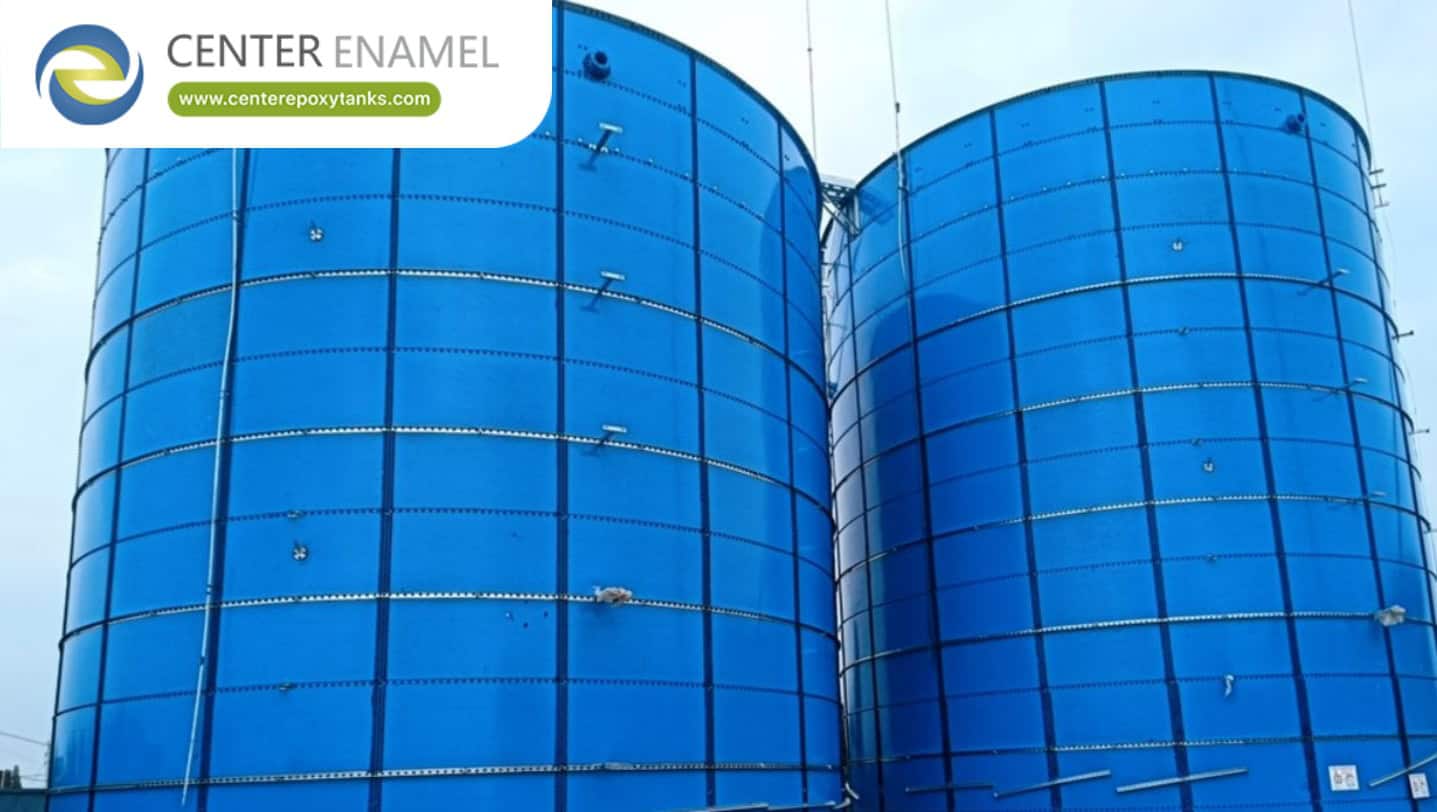
Full-Scenario Application Solutions: Fusion Bonded Epoxy (FBE) Tanks in Municipal, Chemical, & Environmental Sectors
Fusion Bonded Epoxy (FBE) tanks have evolved from simple water storage vessels into a full-scenario containment solution. Because FBE tanks are manufactured in a controlled factory environment and assembled as modular, high-precision bolted structures, they offer a "plug-and-play" versatility that field-welded tanks cannot match. Whether the requirement is for high-purity potable water, corrosive industrial chemical waste, or ecologically sensitive environmental remediation, FBE technology adapts to the specific compliance and performance demands of diverse sectors.
1. Municipal Administration: The Backbone of Public Infrastructure
Municipalities prioritize longevity, regulatory compliance (NSF/ANSI 61), and rapid deployment. FBE tanks serve as the primary containment solution for public utilities.
● Potable Water Storage: FBE tanks provide a secure, inert environment for treated drinking water. The fusion-bonded coating prevents metallic leaching, ensuring the water remains compliant with strict health standards throughout its shelf life.
● Fire Protection: Municipal codes require reliable fire-suppression water reservoirs. FBE tanks, approved under FM/NFPA standards, provide seismic and wind-resistant storage that ensures fire hydrants and sprinkler systems remain pressurized during natural disasters.
● Wastewater Treatment: From equalization basins to treated effluent storage, FBE tanks handle municipal sewage volumes efficiently, offering high resistance to the chemical and biological stressors found in urban wastewater streams.
2. Chemical Industry: Performance-Critical Containment
In the chemical industry, the margin for error is zero. Storage vessels must survive not only the contents but also the potential for environmental volatility.
● Process Water Storage: Industrial manufacturing—from food processing to semiconductor manufacturing—requires ultrapure process water. FBE tanks act as a clean, reliable reservoir that does not interact with the stored fluid.
● Hazardous Wastewater Management: Many chemical plants produce aggressive, high-salinity, or slightly acidic wastewater. FBE coating technology provides a superior barrier against corrosion, shielding the structural steel from the chemical attack common in industrial discharge.
● Fire Suppression for Chemical Plants: High-risk environments (petrochemical, pharmaceutical) require dedicated fire-water tanks. FBE tanks are the preferred choice due to their rapid installation speed and ability to be outfitted with specialized anti-vortex and pumping infrastructure.
3. Environmental Protection: Ecological Sustainability
Environmental projects often focus on remediation, waste minimization, and sustainable resource management. FBE tanks are engineered to prevent soil and groundwater contamination.
● Leachate Treatment: Landfills generate highly corrosive, complex liquid waste known as leachate. FBE tanks provide the chemical resistance needed to contain this waste while the treatment system processes it, preventing catastrophic leaks into the local ecosystem.
● Biogas Digesters: In anaerobic digestion, organic waste is converted into energy. The internal environment of a digester is chemically demanding. FBE tanks offer a smooth, non-porous interior surface that is resistant to hydrogen sulfide and other byproducts of the digestion process.
● Desalination & Water Reuse: FBE tanks are frequently utilized in desalination plant pre-treatment and water reuse facilities, where the equipment must resist constant exposure to high-salinity environments.
4. Comparative Application Matrix
Industry Sector | Primary Requirement | FBE Tank Advantage | Typical Solution |
Municipal | Regulatory Safety (NSF 61) | High-purity, inert coating | Potable water towers, Fire tanks |
Chemical | Chemical Inertness | Corrosion & solvent resistance | Process water, Industrial waste |
Environmental | Leak Prevention | Zero-VOC, modular structure | Leachate tanks, Biogas digesters |
5. Strategic Advantages of "Full-Scenario" FBE Deployment
Why do EPC contractors and facility managers specify FBE across such disparate industries?
1. Factory-Controlled Precision: Unlike field-welded tanks where quality depends on weather conditions and site-welder skill, FBE tanks are manufactured in an indoor factory. This guarantees consistent coating thickness and adhesion, regardless of the end-use industry.
2. Scalable Modularity: Whether you need a 50m³ fire tank for a small factory or a 10,000m³ wastewater reservoir for a city, the modular design allows for rapid scaling and assembly.
3. Low Lifecycle Cost: Because the FBE coating is chemically bonded to the steel, it does not require the frequent repainting and extensive maintenance associated with traditional field-painted tanks. This "install and forget" reliability is a major advantage for budget-conscious municipal and industrial projects.
6. Frequently Asked Questions (FAQ)
Q: Can I use the same FBE tank for both potable water and industrial waste?
A: No. While the underlying FBE technology is similar, the "Full-Scenario" solution means tailoring the specification. Potable water tanks must be certified to NSF/ANSI 61, while industrial chemical tanks may require higher-thickness coatings or specific formulations to handle chemical aggressiveness.
Q: How fast can an FBE tank be installed for an emergency environmental cleanup?
A: Because they are bolted, FBE tanks can be erected significantly faster than concrete or welded steel tanks. In emergency response scenarios, this rapid deployment capability is essential for containing environmental hazards quickly.
Q: Are FBE tanks suitable for offshore or coastal environmental protection?
A: Yes. FBE tanks have excellent atmospheric corrosion resistance. When paired with high-quality stainless steel or galvanized hardware, they are perfectly suited for saline, high-humidity, or coastal environments.
The "Full-Scenario" application solution provided by Fusion Bonded Epoxy tanks represents a shift from specialized storage to versatile infrastructure. By unifying high-precision manufacturing, regulatory compliance, and rugged environmental resistance, FBE technology provides a single, reliable framework that meets the needs of municipal planners, chemical engineers, and environmental stewards alike.
Are you managing an infrastructure project in the municipal, industrial, or environmental sector, and would you like to know which specific FBE tank configuration is recommended for your industry's standards?


