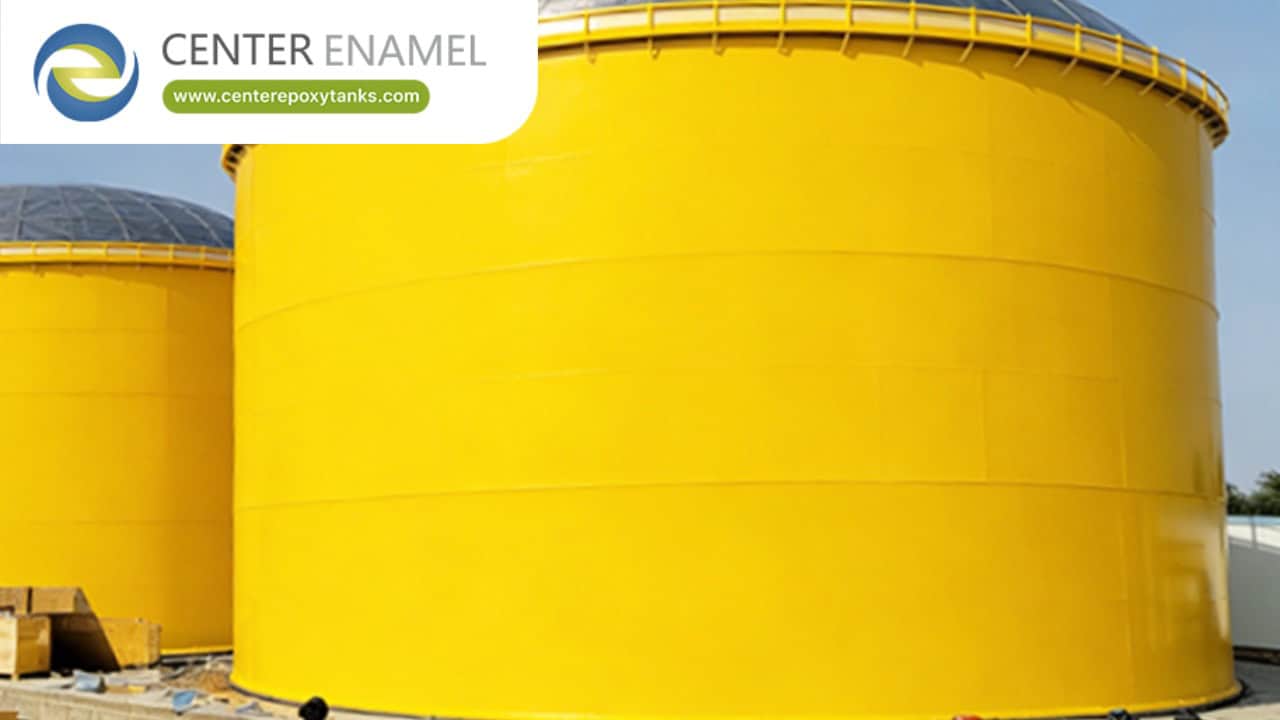
Fuel Oil Tanks: Design and Standards for Heavy Fuel Oil Storage
Heavy fuel oil is storage's awkward customer: too viscous to pump cold, too full of sediment and water to store carelessly, and too corrosive in its sulfur-bearing vapor spaces for ordinary tank practice. Every HFO tank is therefore a thermal system as much as a container — designed around keeping the product moving.
Fuel oil tanks for heavy grades (No. 6 oil, bunker C) are API 650 vessels engineered with steam or hot-oil heating coils, insulated shells, and recirculation systems that maintain 40-60 deg C storage temperatures, with suction heaters elevating local temperature above 100 deg C for pumpable transfer and bottoms designed for sludge and water management.
1. Why Does Heavy Fuel Oil Demand Heated Tanks?
Everything about HFO logistics follows its viscosity curve.
· Storage temperature: Tanks hold bulk oil around 40-60 deg C so circulation pumps can move it; letting a tank cool turns inventory into a solid block.
· Suction heating: Outflow heaters raise oil locally above 100 deg C at the pump suction — heating a small zone instead of the whole inventory saves fuel and time.
· Coil and jacket sizing: Heating capacity must overcome shell losses at winter design temperature plus the warm-up duty for deliveries received cold.
· Circulation discipline: Continuous recirculation through heated headers prevents stratification and cold pockets in large tanks.
2. How Are HFO Tanks Protected From Their Own Product?
Sediment, water, and sulfur compounding attack tanks from inside.
· Water and sludge bottoms: Dedicated drain arrangements and periodic bottom draws remove accumulated water and asphaltenes that would otherwise insulate coils and clog suctions.
· Vaporspace corrosion: Sulfur-bearing condensate attacks the roof and upper shell; vapor-space linings and condensation drainage extend roof life dramatically.
· Insulation with vapor barrier: Well-clad insulation cuts heating cost and — critically — prevents underside condensation that soaks the shell.
· Coil inspection access: Heating coils are the maintenance-intensive heart of the tank; manways and internal access keep them serviceable.
3. What Standards and Configurations Apply?
HFO storage rides on standard API 650 practice with fuel-specific annexes of experience.
· Design code: API 650 welded construction; internal pressures stay atmospheric with conservation vents sized for thermal breathing and pump-out vacuum.
· Tank farm layout: Multiple tanks enable rotational settling, sludge management, and maintenance outages without stopping the boilers.
· Environmental compliance: Containment for the largest tank, drainage to oily-water treatment, and spill-response provisions per local programs.
· Material and corrosion allowance: Corrosion allowance on the first courses and bottom, plus bottom lining where soil-side conditions warrant, define the maintenance interval.
Data Table: Fuel Oil Properties vs Tank Design
Property | No. 2 Oil | No. 6 / HFO |
Pumpable temperature | Ambient | 40-60 deg C storage |
Heating system | None | Steam/hot-oil coils + suction heater |
Insulation | Optional | Required, vapor-sealed |
Sediment/water | Low | High — routine draws |
Vaporspace corrosion | Low | High — lining recommended |
Transfer velocity | Standard | Heated recirculation loops |
Frequently Asked Questions (FAQ)
Q1: Why do heavy fuel oil tanks need heating?
HFO is too viscous to pump at ambient temperature — it must be held near 40-60 deg C in storage and heated above 100 deg C at the pump suction for transfer. Tanks therefore integrate steam or hot-oil coils, insulated shells, and recirculation piping as core design elements, not accessories.
Q2: How do you manage water and sludge in fuel oil tanks?
Design for it: sloped or dished bottoms with low-point drains, suction elevated off the floor, and scheduled water draws and bottom cleanouts. Left alone, water fuels microbial corrosion and sludge blankets that insulate heating coils and starve pumps.
Q3: What temperature should fuel oil tanks be stored at?
Heavy grades are maintained around 40-60 deg C for storage and circulation, with the minimum set by the oil's pour point and pump limits. Overheating wastes energy and accelerates sludge formation and vaporspace corrosion, so temperature control is an engineered band, not a maximum.
Q4: How long do carbon steel fuel oil tanks last?
With corrosion allowance, bottom lining, vaporspace protection, and disciplined water management, welded carbon steel HFO tanks commonly serve 30-40 years; bottoms and roofs are the renewal items at mid-life. API 653-style inspection programs schedule thickness surveys to catch those zones in time.


