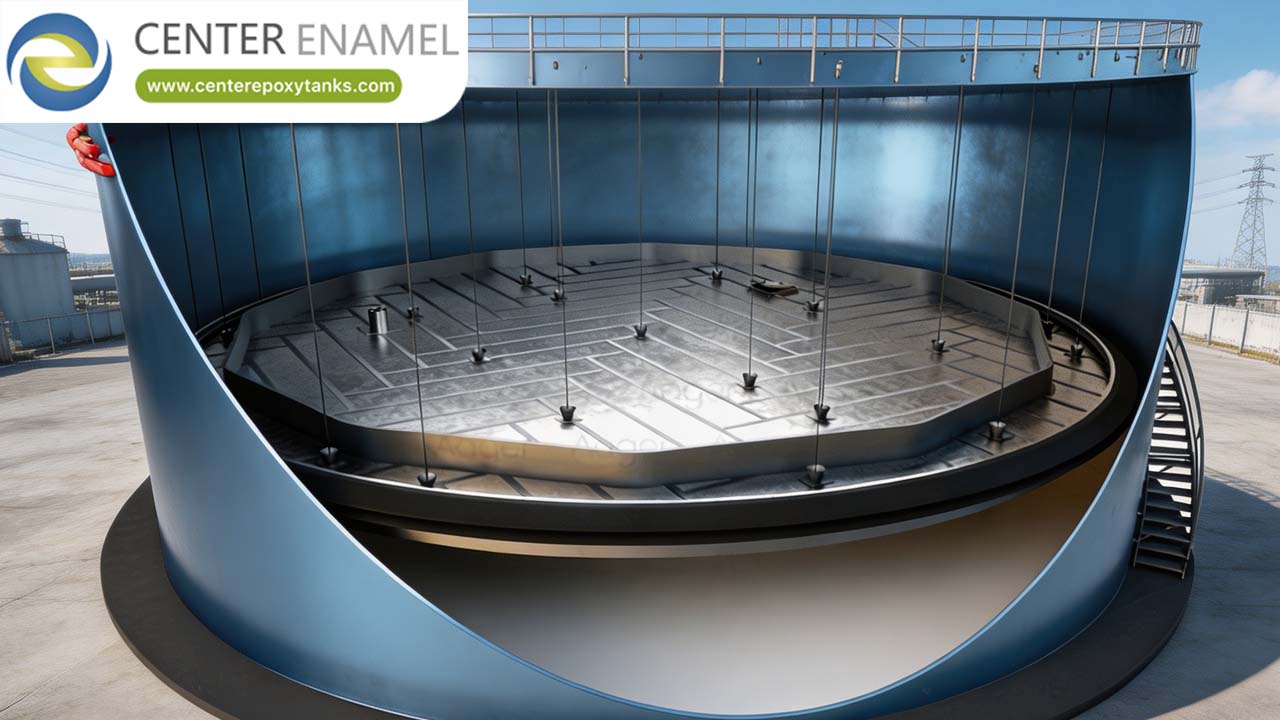
Floating Roof Seals: Critical Components for Vapor Suppression and Emission Control
In industrial bulk liquid containment—spanning crude oil terminals, petroleum refineries, and chemical processing plants—maintaining environmental integrity and product safety is paramount. When floating roof tanks (FRTs) rise and fall with internal fluid levels, a narrow clearance gap always exists between the outer perimeter of the floating deck and the inner cylindrical wall of the steel tank.
This peripheral space is known as the annular gap. To prevent hazardous hydrocarbon vapors from escaping through this opening, facilities rely on advanced floating roof seal systems. Understanding the mechanical design, operational classifications, and regulatory standards of these seals is essential for modern plant management.
1. The Core Purpose of a Floating Roof Seal System
The primary function of a floating roof seal is to bridge the annular gap dynamically while accommodating out-of-round tank shells, uneven shell settlements, and continuous vertical roof movement.
·
VOC Emission Containment: Volatile Organic Compounds (VOCs) escaping from storage tanks contribute to air pollution and financial product loss. High-performance seal systems trap these vapors beneath the deck, ensuring strict adherence to environmental regulations.
·
·
Weather and Debris Protection: Seals prevent rainwater, wind-blown dust, and environmental debris from falling directly into the stored liquid product along the outer perimeter of the tank wall.
·
·
Fire Hazard Mitigation: By sealing the vapor boundary tightly, rim seals eliminate flammable gas pockets where static charges or sparks could trigger rim seal fires.
·
2. Primary vs. Secondary Seal Configurations
Modern industrial standards and environmental mandates typically require a dual-seal system comprising a primary seal and an auxiliary secondary seal:
Primary Seals
The primary seal touches the liquid surface or rests just above it, serving as the initial line of defense against vapor escape. Common types include:
·
Mechanical Shoe Seals: Featuring a metallic sliding shoe pressed firmly against the tank shell by a continuous pantograph hanger system, offering high durability and wear resistance.
·
·
Liquid-Mounted Foam Seals: Utilizing a resilient elastomeric foam log enclosed in a vapor-barrier fabric that floats directly on the liquid surface inside the annular gap.
·
Secondary Seals
Mounted above the primary seal, the secondary seal provides backup containment and wipes the tank shell clean as the roof rises. These are typically continuous wiper blades constructed from heavy-duty, UV-resistant fabric (such as PTFE-coated fiberglass) held tightly against the shell.
Data Table: Comprehensive Floating Roof Seal Types Matrix
Seal Classification | Design Mechanism | Emission Control Efficiency | Typical Industrial Application |
Mechanical Shoe Primary Seal | Spring-loaded metal shoes pressing against tank shell | High (Robust durability against shell irregularities) | Crude oil terminals, heavy petroleum storage |
Liquid-Mounted Foam Primary Seal | Enclosed resilient foam log floating on liquid surface | Very High (Continuous tight contact with product) | Refined fuels, aviation gas, petrochemicals |
Shoe-Mounted Secondary Seal | Wiper blade mounted above primary mechanical shoe | Excellent dual-barrier protection | Strict environmental compliance zones |
Rim-Mounted Secondary Seal | Wiper fabric attached directly to roof rim edge | Superior vapor wiping and weather shielding | Modern internal and external floating roof tanks |
Frequently Asked Questions (FAQ)
Q: What is a floating roof seal and why is it important?
A: A floating roof seal is a flexible mechanical barrier installed in the annular gap between a floating tank deck and the tank shell, crucial for trapping volatile organic compound (VOC) vapors and preventing product evaporation.
Q: What is the difference between a primary seal and a secondary seal?
A: The primary seal is the lower barrier that makes direct contact with the liquid or near-liquid interface, while the secondary seal is mounted above it to provide an extra layer of vapor containment and wipe the tank wall.
Q: What materials are used in modern floating roof seals?
A: Seals utilize a combination of heavy-duty carbon or stainless steel shoes, resilient elastomeric foam cores, and high-performance, chemical-resistant coated fabrics (such as polyurethane or PTFE) designed to withstand prolonged hydrocarbon exposure.
Q: How often should floating roof seals be inspected?
A: Facilities perform routine visual roof inspections and scheduled gap measurements in accordance with environmental and engineering guidelines (such as API standards) to ensure seals maintain proper tension and zero gaps.


