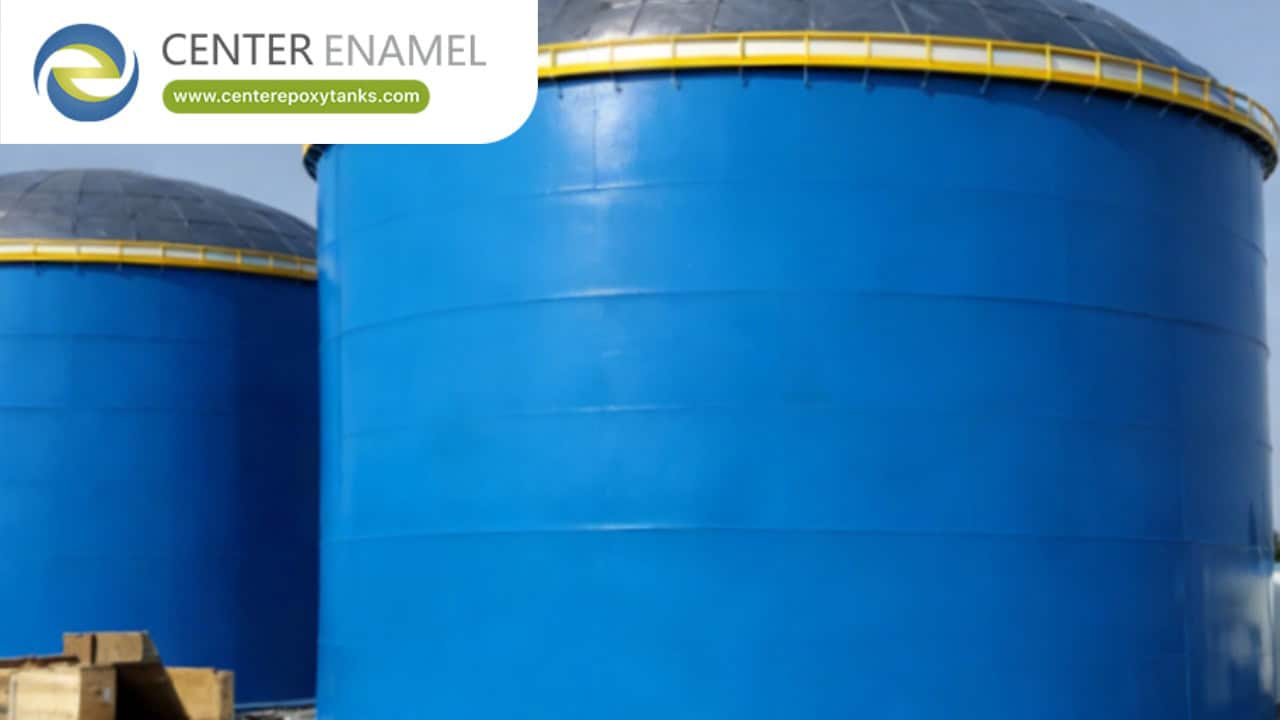
Field-Erected Tanks: Design, Construction, and Maintenance
For industrial operations requiring large-scale liquid or bulk storage, pre-fabricated shop-built tanks often face severe transportation and logistical limitations. When a project requires a capacity of several million gallons or is located in a heavily congested site, field-erected tanks become the optimal solution. Built directly at the installation site, these structures offer unparalleled flexibility in sizing, material selection, and integration with existing facility infrastructure.
This guide explores the core principles of designing, constructing, and maintaining field-erected storage tanks, ensuring long-term structural integrity and regulatory compliance.
Engineering and Design Standards
The foundation of any field-erected tank is strict adherence to globally recognized engineering codes. The specific standard dictates the materials, wind and seismic load calculations, and structural limits of the tank.
Welded Steel Tanks (API 650 & API 620)
The American Petroleum Institute (API) provides the leading standards for welded above-ground storage tanks (ASTs).
API 650: Governs the design, construction, and inspection of welded steel tanks operating at atmospheric pressures (up to 2.5 psig). These tanks are ubiquitous in oil and gas, chemical processing, and wastewater treatment, designed to withstand immense hydrostatic, wind, and seismic loads.
API 620: Applied to large, field-assembled storage tanks that operate at lower temperatures and higher internal pressures (up to 15 psig).
Bolted Steel Tanks (AWWA D103)
For municipal water, wastewater, and specific dry bulk storage, bolted steel tanks are frequently specified.
The On-Site Construction Process
Field erection transforms a job site into a temporary manufacturing facility. Because components are shipped as prepared steel plates or panels, the logistical bottleneck of transporting a massive, completed vessel is eliminated.
Site Preparation and Foundation: Tank foundations must be meticulously leveled to prevent uneven settlement. Depending on soil conditions and tank scale, foundations range from simple compacted granular rings to heavily reinforced concrete slabs.
Plate Fabrication and Staging: Steel plates are typically pre-processed (sheared, rolled, and coated) off-site to match the exact radius of the tank. Upon arrival, they are staged for rapid assembly.
Erection Methods:
Traditional Crane Lifting: Shell rings are welded or bolted in place from the bottom up, utilizing cranes and scaffolding.
Jacking Systems: The roof and top shell ring are constructed at ground level, then mechanically or hydraulically jacked up so successive rings can be installed beneath them. This method enhances worker safety by keeping most labor at ground level and is ideal for sites with tight spatial restrictions.
Testing and Commissioning: Post-construction, tanks undergo rigorous non-destructive examination (NDE) such as X-ray or ultrasonic testing on weld seams. Hydrostatic testing (filling the tank with water) is then performed to verify structural integrity and identify microscopic leaks before the tank enters active service.
Preventative Maintenance and Asset Integrity
A field-erected tank is a multi-decade investment. Without proactive maintenance, environmental exposure and the chemical nature of stored materials can lead to rapid degradation.
Routine and API 653 Inspections
While facility managers should conduct monthly visual inspections for external corrosion, settling, or weeping leaks, formal evaluations must follow the API 653 standard (for welded tanks). API 653 dictates the frequency and scope of both in-service (external) and out-of-service (internal) inspections. These audits rigorously assess floor thickness, weld integrity, and foundation settlement.
Corrosion Control and Coatings
Internal and external coatings are the primary defense against corrosion. For bolted tanks, factory-applied Glass-Fused-to-Steel (GFS) coatings offer exceptional chemical resistance and rarely require recoating. For welded carbon steel tanks, maintaining cathodic protection systems (sacrificial anodes or impressed current) and periodically reapplying epoxy or polyurethane linings is essential to halt metal loss.
Frequently Asked Questions (FAQ)
What is the difference between a shop-built and a field-erected tank?
Shop-built tanks are fully manufactured and assembled in a factory, then transported whole to the site. Their maximum size is strictly limited by highway shipping constraints. Field-erected tanks are shipped as individual plates or panels and built on-site, allowing for capacities that can exceed millions of gallons.
How long does it take to construct a field-erected tank?
Construction timelines vary heavily based on size, site conditions, and weather. A smaller bolted AWWA D103 tank can often be erected in a few weeks, while massive API 650 welded tanks for oil storage may require several months of continuous on-site fabrication, welding, and non-destructive testing.
Why is API 650 the standard for oil and gas storage?
API 650 requires specific carbon or stainless steel materials, stringent weld quality checks, and strict load-bearing calculations. It ensures the tank can safely withstand the specific gravity of petroleum products, internal pressures up to 2.5 psig, and environmental stressors without risk of a catastrophic leak or rupture.
Can field-erected tanks be relocated?
While highly uncommon for large welded tanks due to the destructive nature of cutting them apart, bolted steel tanks (such as those adhering to AWWA D103) are modular by design. They can theoretically be dismantled, transported, and re-erected at a new facility if necessary.


