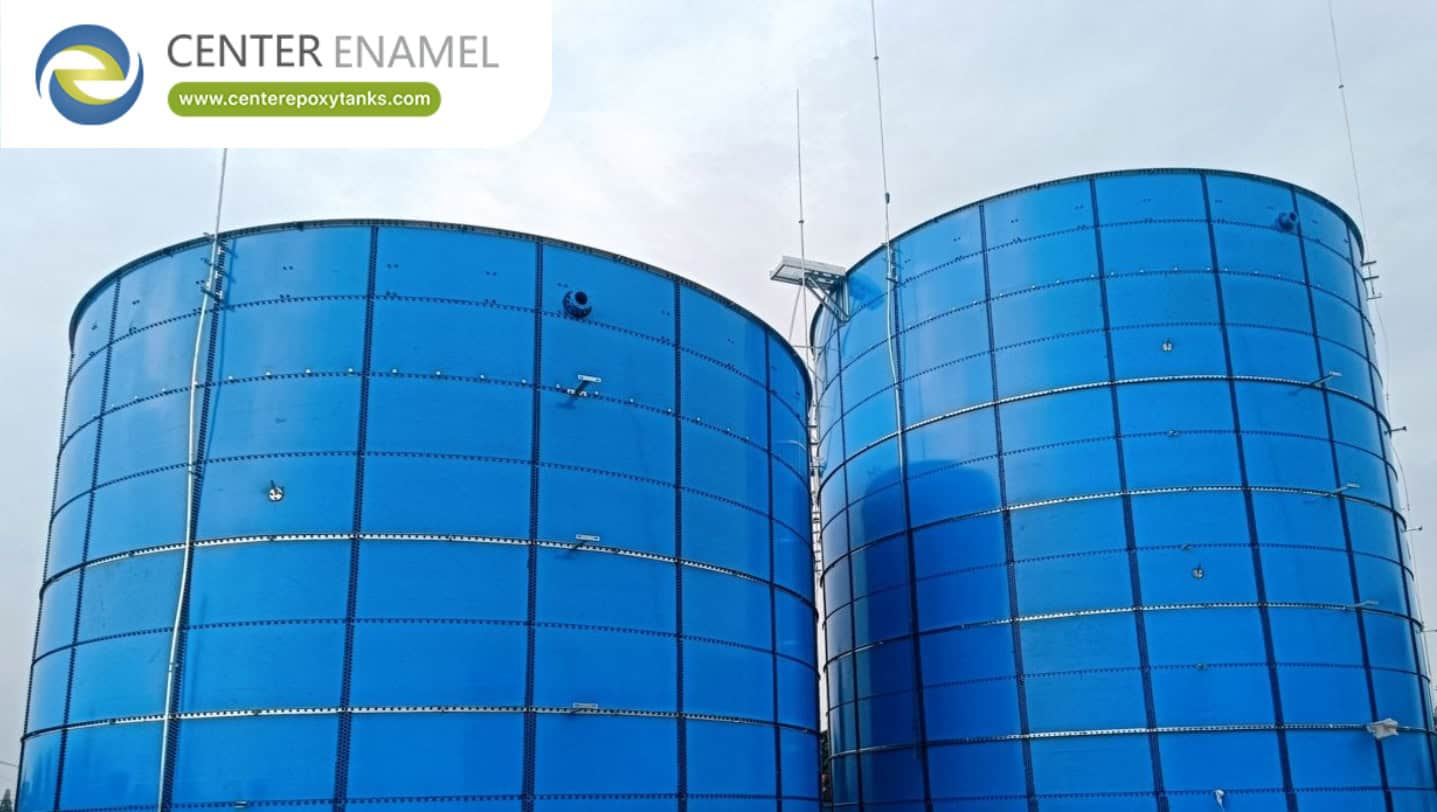
FBE Coated Tanks for High-Purity Water Systems | Design & Specification Guide
Fusion Bonded Epoxy (FBE) is a high-performance, thermosetting powder coating that provides an exceptionally durable, chemically inert, and hygienic barrier for industrial water storage. Unlike liquid-applied epoxies or concrete liners, FBE is applied in a factory-controlled environment, cured at high temperatures, and fused to the steel substrate.
For high-purity water systems—including demineralized water, potable water, and process water—FBE provides a contamination-free interior that resists microbial growth and leaching, ensuring that the water quality entering the tank matches the water quality exiting the tank.
1. The Engineering Advantage of FBE
The "High-Purity" difference lies in the application process. Unlike field-applied coatings which are vulnerable to weather, humidity, and human error, FBE is a factory-engineered solution.
● Thermoset Cross-Linking: During the factory heat-curing process, the FBE powder melts and undergoes a chemical cross-linking reaction. This creates a dense, impenetrable molecular matrix that is physically bonded to the steel.
● Permeation Resistance: FBE creates a physical barrier that prevents water molecules from migrating to the steel surface, effectively eliminating the risk of sub-film corrosion and maintaining high water purity.
● NSF/ANSI 61 Compliance: Modern FBE systems are certified under NSF/ANSI 61, ensuring that the coating does not leach VOCs, heavy metals, or taste-altering compounds into the water supply.
2. Comparative Matrix: FBE vs. Alternative Materials
Engineers must balance purity requirements with capital expenditure. The table below compares FBE-coated steel against common alternatives for high-purity applications.
Material | High-Purity Compatibility | Maintenance (30-Year Life) | Cost Efficiency |
FBE Coated Steel | Excellent (Inert & Smooth) | Low (No recoating) | High |
Stainless Steel | Exceptional | Moderate (Weld inspections) | Low (High CAPEX) |
Poured Concrete | Low (Leaching risk) | Very High (Liner repairs) | Moderate |
Liquid Epoxy/Paint | Moderate | High (Frequent recoating) | Moderate |
3. Why FBE Wins in High-Purity Applications
For facilities where water chemistry is critical (such as food processing, pharmaceuticals, or municipal water treatment), FBE offers three distinct advantages:
1. Inert Surface Topology: The smooth, glass-like finish of cured FBE prevents the adhesion of biofilms. Microorganisms struggle to colonize the surface, keeping the water biologically stable.
2. Chemical Stability: FBE is highly resistant to a broad pH range and various water treatment chemicals, including chlorine and chloramines, ensuring the tank interior remains stable over decades of operation.
3. Zero-Holiday Assurance: Factory application allows for rigorous "Holiday" (spark) testing. Every square inch of the tank panel is electronically scanned to detect and repair microscopic pinholes before the panels ever reach the job site.
4. Addressing Common Specification Questions
Is FBE suitable for demineralized water?
Yes. Demineralized water is aggressive toward standard steel. FBE provides a total dielectric barrier that separates the water from the steel, preventing the galvanic corrosion that usually plagues uncoated or poorly coated vessels.
How does FBE compare to Glass-Fused-to-Steel (GFS)?
Both are factory-applied, high-purity solutions. GFS is the ultimate choice for extreme corrosion resistance and high-acid environments (like anaerobic digesters), while FBE is the preferred choice for large-scale water storage where cost-efficiency and excellent adhesion are the primary drivers.
Does FBE require internal maintenance?
Because FBE is a factory-fused, cross-linked thermoset, it does not suffer from the delamination typical of field-applied paint. Routine visual inspection per AWWA standards is generally sufficient, eliminating the need for abrasive blasting and interior relining during the tank's service life.
Technical Design Support
Specifying the correct tank coating is critical to the long-term success of your water infrastructure project. Whether your facility requires potable water storage or high-purity process water, our team can provide:
● Engineering Submittals: Detailed material data sheets and NSF 61 certification documents.
● Coating Thickness Verification: Reports on dry film thickness (DFT) and cross-link density.
● Custom Site Design: Tank configurations tailored to your specific pressure and volume requirements.
[Contact Our Engineering Team for a Specification Review]


