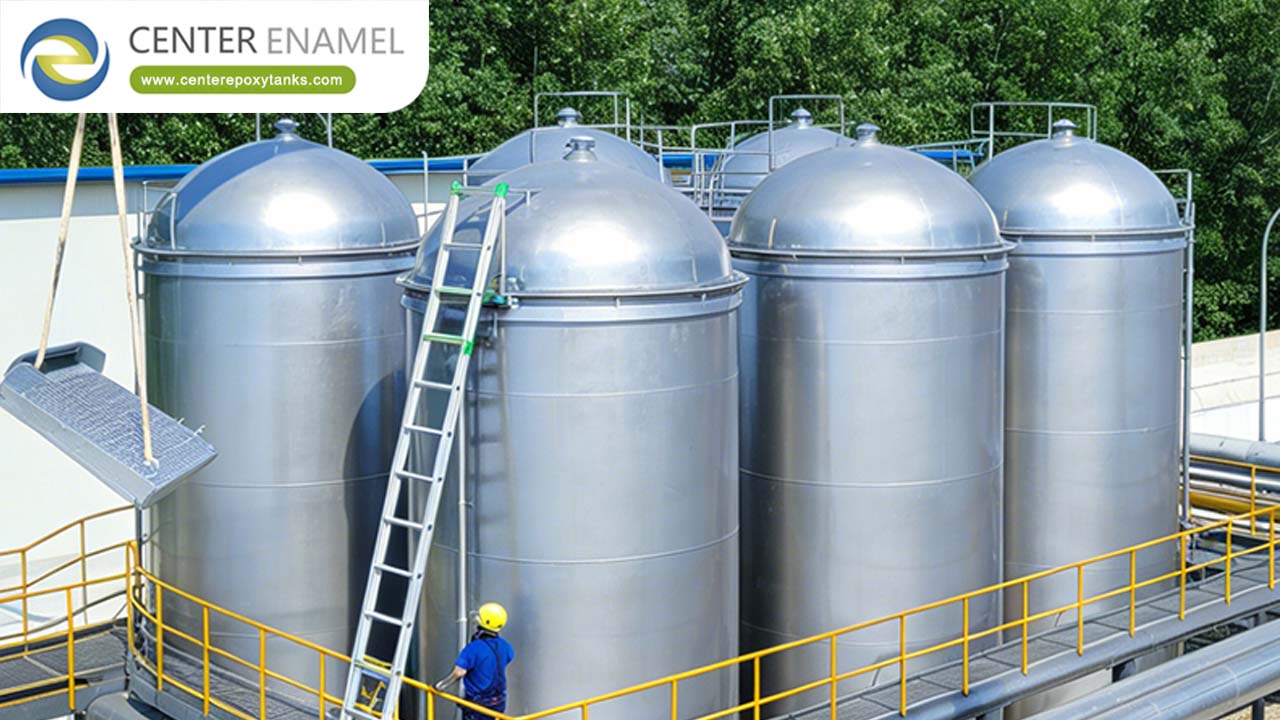
Engineering Guide to Underground Water Tanks
Underground water tanks have become an essential component of modern water management, especially for facilities that prioritize land utilization, system protection, and long-term reliability. Whether utilized for fire protection, irrigation, rainwater harvesting, or industrial process operations, these tanks offer a secure, space-efficient, and durable solution.
According to global infrastructure studies, industries and municipalities are increasingly investing in underground storage to optimize valuable real estate and protect critical water systems against temperature extremes and environmental corrosion. When properly engineered, these tanks provide operational stability even in highly challenging soil conditions.
What Are Underground Water Tanks?
An underground water tank is a structural water storage system installed entirely below ground level. These tanks must be engineered to withstand immense external pressures—including soil weight, active groundwater hydrostatic pressure, surface traffic loads, and potential seismic activity.
They are commonly deployed in environments where above-ground space is highly restricted, or where the stored water must be shielded from sunlight, freezing temperatures, or unauthorized access.
Types of Underground Water Tanks
The material chosen for an underground tank dictates its structural limits, lifespan, and chemical compatibility.
● Concrete Underground Tanks: Common in municipal, firefighting, and heavy industrial applications. They offer extreme structural stability and a long service life, making them ideal for massive-volume storage beneath high-traffic areas.
● FRP/GRP (Fiberglass Reinforced Plastic) Tanks: Lightweight, highly corrosion-resistant, and significantly faster to install than concrete. These tanks perform exceptionally well in chemically active soils and are widely used for industrial process water or commercial rainwater harvesting.
● Steel Underground Tanks (Coated/Galvanized): Engineered with heavy-duty protective coatings to resist soil corrosion and mechanical stress. They are typically specified for industrial projects requiring high tensile strength and a completely sealed construction.
● Polymer Underground Tanks (HDPE/PE): Flexible and lightweight, these are the standard for domestic or small-scale commercial rainwater systems. They are highly resistant to degradation but are not suitable for high-load industrial environments without heavy structural vaulting.
● Modular Underground Tanks: Constructed from interconnected, structurally reinforced panels assembled on-site. These systems offer large storage capacities in urban areas with tight physical access where dropping in a pre-cast or fully welded tank is impossible.
Core Advantages
Relocating water storage below grade provides several distinct operational and architectural benefits:
● Efficient Land Utilization: Storing water underground reclaims surface area for buildings, parking lots, landscaping, or industrial operations—a critical advantage in high-density urban or restricted industrial zones.
● Stable Water Quality: Shielding water from UV exposure completely halts algae growth. Furthermore, the stable thermal mass of the earth prevents extreme temperature fluctuations, protecting water from freezing in winter or degrading in extreme summer heat.
● Enhanced Safety and Security: Underground placement naturally insulates the asset from physical impact, fire exposure, severe weathering, and vandalism.
● Long-Term Durability: When engineered properly to account for soil and water table pressures, underground tanks offer decades of uninterrupted, reliable performance.
● Aesthetic Preservation: Because the infrastructure is hidden, architects and urban planners can maintain the visual integrity of commercial, residential, or historic environments.
Primary Applications
● Firefighting Water Storage: Dedicated emergency reserves for industrial parks, warehouses, and commercial centers.
● Rainwater Harvesting: Large-scale capture systems for sustainable site water reuse and LEED certification compliance.
● Industrial Process Water: Secure storage for manufacturing facilities, chemical plants, and wastewater treatment operations.
● Potable Water Supply: Drinking water reserves for hotels, hospitals, and remote off-grid sites.
● Stormwater Management: Attenuation and detention systems in urban drainage projects to prevent downstream flooding.
Technical Comparison of Underground Tanks
Tank Type | Structural Strength | Corrosion Resistance | Installation Difficulty | Lifespan | Ideal Applications |
Concrete | Very High | High | High | 40+ years | Municipal, Fire, Industrial |
FRP/GRP | High | Excellent | Medium | 25–40 years | Industrial, Chemical, Rainwater |
Steel (Coated) | Very High | Moderate to High | Medium | 20–35 years | Industrial, Heavy Duty |
Polymer (HDPE) | Medium | Excellent | Easy | 15–25 years | Domestic, Light Commercial |
Modular | High | High | Medium | 20–30 years | Urban, Limited Access Sites |
Engineering Considerations
A successful underground tank installation requires rigorous site-specific engineering. Designing a tank without accounting for the surrounding environment guarantees premature structural failure.
● Geotechnical Soil Conditions: Comprehensive soil analysis determines the necessary backfill type, identifies aggressive soil chemistry, and verifies the soil bearing capacity.
● Structural Load Requirements: Tanks installed beneath parking lots, roadways, or heavy machinery zones require specialized reinforced top slabs capable of supporting dynamic traffic loads (e.g., AASHTO H-20 loading).
● Groundwater Management (Anti-Floating): In regions with a high water table, an empty tank acts like a boat. Anti-floating design—such as anchoring the tank to a concrete deadman pad or expanding the base flange—is mandatory to prevent hydrostatic uplift from pushing the tank out of the ground.
● Internal and External Coatings: Appropriate waterproofing or cathodic protection must be applied based on the stored water's chemistry and the surrounding soil's corrosivity.
● Access and Ventilation: Deep underground tanks require secured access hatches, OSHA-compliant ladders, and engineered ventilation to prevent the buildup of hazardous gases and maintain water quality.
Maintenance & Lifecycle Management
While underground tanks are generally low-maintenance compared to their exposed counterparts, scheduled servicing is essential to hit their targeted lifespan.
● Conduct scheduled internal cleaning and sediment/sludge removal.
● Inspect structural components, manhole risers, and access hatch seals for degradation.
● Monitor the exterior vault or monitoring ports for signs of groundwater infiltration.
● Ensure all venting systems remain unobstructed to prevent dangerous pressure or vacuum buildup during rapid filling or drawdown.
● Periodically test and inspect internal liners or applied coatings for blistering or failure.
Underground water tanks provide a highly reliable, space-efficient, and structurally sound solution for heavy industrial, municipal, and commercial water storage. Their ability to safeguard water quality, maximize usable surface area, and resist environmental wear makes them a cornerstone of modern infrastructure. With precise geotechnical engineering and proactive maintenance, these systems will deliver decades of dependable performance across both potable and industrial applications.
Frequently Asked Questions (FAQ)
Are underground water tanks safe for drinking water?
Yes. As long as the tank is specifically engineered and lined with certified, food-grade materials (such as NSF/ANSI 61 compliant coatings), it is completely safe for potable water storage.
How long does an underground tank last?
Lifespan is highly dependent on the construction material and surrounding soil chemistry, but appropriately specified tanks typically last between 20 and 50 years.
Can underground tanks handle heavy vehicle traffic?
Yes. With the addition of an engineered, load-bearing concrete slab over the top of the installation, underground tanks can be safely placed beneath driveways, parking lots, and heavy-duty industrial roadways.
Do underground tanks require external waterproofing?
In almost all cases, yes. Waterproofing protects the structural integrity of the tank from aggressive groundwater and prevents external contaminants from leaching into the stored water supply.


