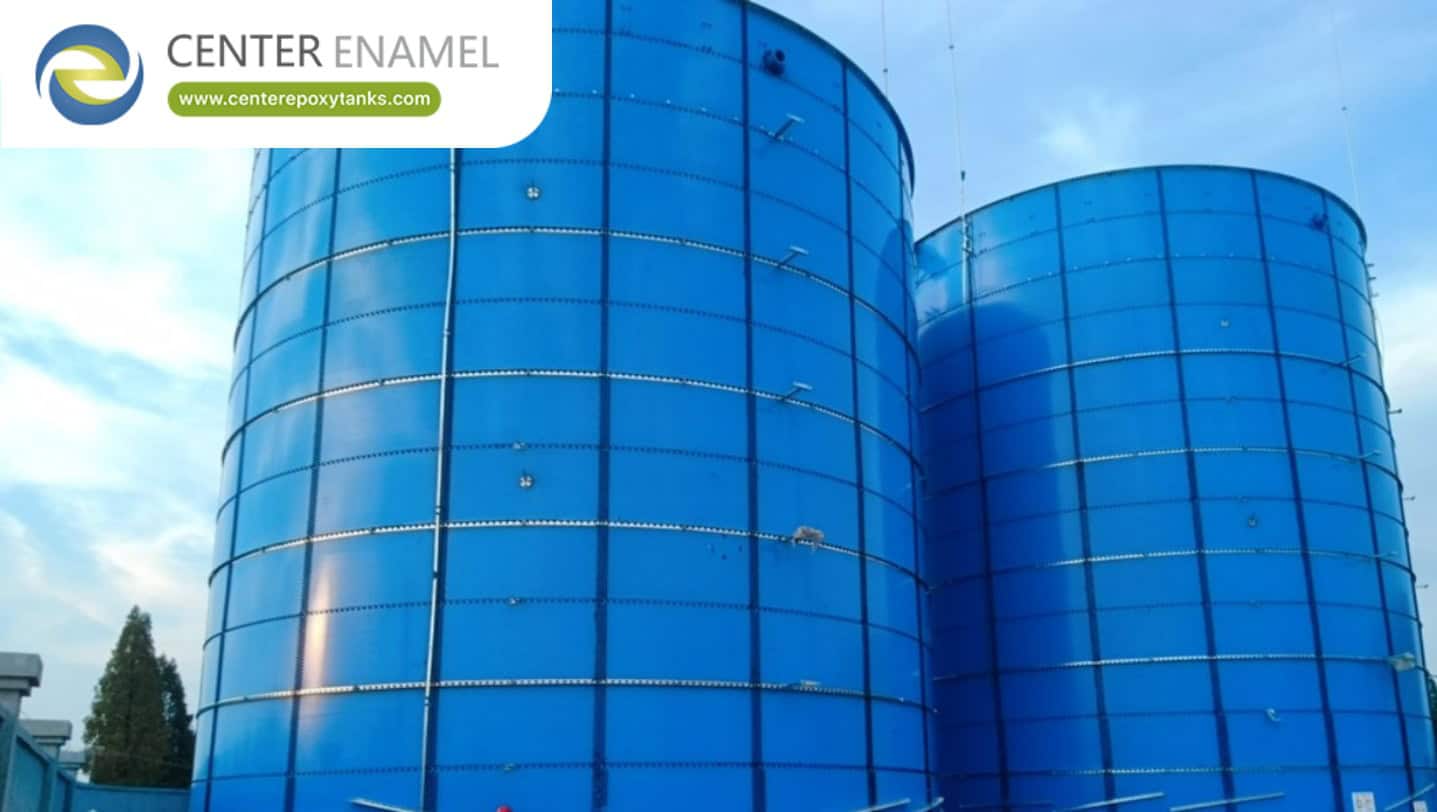
Efficient Double Membrane Biogas Holder Optimized for High Organic Waste Treatment
Facilities processing high-volume organic waste—such as municipal food waste, agricultural manure, and industrial effluent—experience dynamic and often aggressive biogas production cycles. Traditional rigid steel gas holders struggle to accommodate these rapid volumetric changes without complex pressure regulation. Double Membrane Biogas Holders have emerged as the dominant solution for modern anaerobic digestion (AD) plants, offering a variable-volume, constant-pressure containment system that inherently adapts to the fluctuating outputs of high organic load treatment.
1. System Architecture and Pressure Dynamics
The efficiency of a double membrane system lies in decoupling the gas containment from the structural weather protection. This creates a "dynamic lung" atop the digester or concrete foundation.
● The Inner Membrane: This layer is in direct contact with the raw biogas. It is a highly flexible, gas-tight barrier that expands and contracts strictly based on the volume of gas produced versus gas consumed by the CHP (Combined Heat and Power) engine or flare.
● The Outer Membrane: This layer is continuously inflated by an explosion-proof air blower, forming a rigid, dome-shaped weather shield.
● The Air Buffer: The pressurized air between the two membranes exerts a constant, calculated physical force against the inner membrane. This guarantees that biogas is delivered to the extraction piping at a stable pressure (typically between 2 to 20 mbar), regardless of how full or empty the inner membrane is.
Explore how these two membranes interact during fluctuating gas production:
2. Advanced Material Science for Organic Waste
Biogas derived from high organic waste is notoriously aggressive. The anaerobic breakdown of proteins and sulfur-rich organic matter generates high concentrations of Hydrogen Sulfide (H2S) and moisture, creating a highly corrosive environment.
To combat this, modern biogas holders utilize engineered technical textiles rather than standard industrial fabrics:
● Substrate: High-tenacity polyester yarn forms the structural mesh, providing a tensile strength typically exceeding 4000 N / 5 cm. This allows the dome to withstand extreme wind and snow loads.
● Coating (PVDF / PVC): The polyester mesh is heavily coated with Polyvinylidene Fluoride (PVDF) or specialized biogas-grade PVC. This coating is strictly non-porous and chemically inert.
● Chemical Resistance: These membranes are rated to withstand constant exposure to $H_2S$ concentrations up to 8000 ppm without embrittlement or permeability degradation.
● Welding: Seams are created using Radio Frequency (RF) or High-Frequency (HF) welding, which fuses the polymers at a molecular level, ensuring the seams are as strong as the parent material.
3. Performance Comparison: Membrane vs. Rigid Steel
For EPC contractors and facility engineers, the shift to double membrane technology is driven by clear CAPEX and operational advantages.
Metric | Double Membrane System | Traditional Steel Gas Holder |
Volumetric Flexibility | 100% Variable (Auto-adjusting) | Fixed Volume |
Annual Gas Leakage Rate | < 0.02% | 0.3% - 0.8% |
Installation Timeline | 1 to 3 Weeks | 2 to 3 Months |
Corrosion Protection | Inherent (Polymer construction) | Requires frequent epoxy/paint relining |
Foundation Requirement | Lightweight (Tank rim or flat slab) | Heavy civil foundation required |
4. Integration with High-Yield Digesters
When processing municipal food waste or dense agricultural slurries, gas production can spike dramatically following feedstock dosing. The double membrane holder acts as a critical shock absorber for the plant network:
1. Direct Tank Mounting: The system is frequently mounted directly to the wall crowns of Glass-Fused-to-Steel (GFS) or epoxy-coated digestion tanks. This eliminates the need for a separate ground-mounted storage footprint.
2. Overpressure Protection: Systems are equipped with hydraulic or mechanical pressure relief valves. If gas production outpaces the CHP engine's capacity and the inner membrane reaches its physical limit, the safety valve vents the excess pressure safely, preventing structural rupture.
3. Sensor Integration: Ultrasonic or mechanical level sensors continuously measure the height of the inner membrane, feeding real-time volume data to the plant's SCADA system to automatically throttle gas flares or generators.
5. Frequently Asked Questions (FAQ)
Q: Can double membrane holders be retrofitted onto existing concrete or steel tanks?
A: Yes. They are an ideal retrofit solution to replace aging, corroded steel digester covers. They utilize stainless steel anchoring rings and compressive cellular seals to secure directly to existing tank walls.
Q: How is the membrane protected from UV degradation?
A: The outer membrane receives heavy UV-stabilizing additives during manufacturing. While the inner membrane handles chemical resistance, the outer membrane is designed to withstand decades of direct sunlight, rain, and temperature fluctuations (rated from -40 °C to +70 °C).
Q: What maintenance is required?
A: Routine maintenance is minimal compared to steel tanks. It generally involves inspecting the air blower filters, checking the hydrostatic fluid levels in the pressure relief valves, and visually inspecting the outer membrane for debris.


