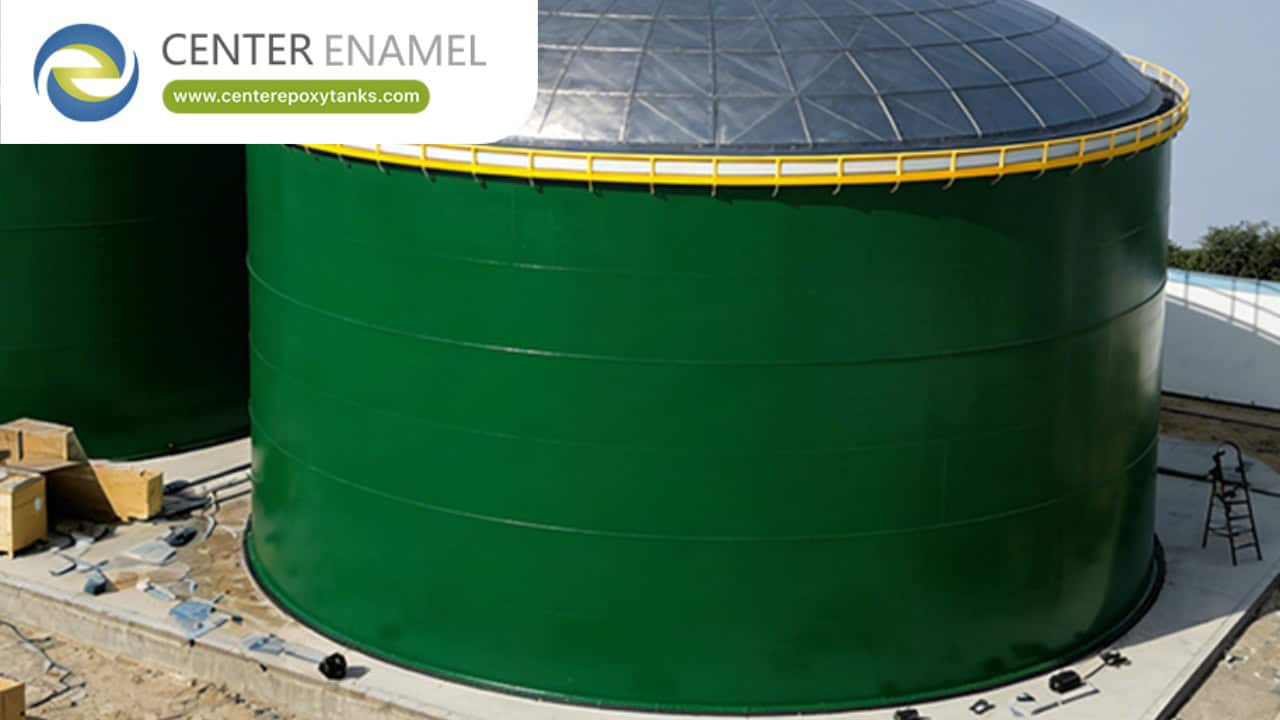
Durable Used Oil Storage Vessel: Design for Collection and Recycling Duty
Used oil is storage in its most punishing form: every delivery arrives contaminated, chemistry varies drum to drum, and the vessel must survive water, acids, soot, and metals while the operator's business depends on it staying liquid-tight for years. A collection vessel that leaks or corrodes through is not a maintenance problem — it is an environmental liability.
A durable used oil storage vessel is a heavy-duty welded tank engineered for contaminated-product duty: corrosion allowance or lining against acidic and water-bearing used oil, water draw-off and sludge capacity for phase separation, and secondary containment — built to survive years of abusive intake while meeting the regulatory practice that governs used-oil accumulation.
1. What Makes Used Oil Hard to Store?
The product is contaminated by definition.
· Water and coolant carryover: Used oil arrives with free water and glycol that separate to the bottom and drive corrosion there.
· Acidic degradation products: Oxidation acids from service depress pH and attack unlined steel surfaces.
· Metals and soot solids: Wear metals and combustion soot settle as abrasive sludge that scours and insulates the floor.
· Batch-to-batch chemistry: Collection oil never has a fixed spec — the vessel must handle the worst delivery, not the average.
2. What Design Choices Deliver Durability?
Overbuild the wetted system and plan for sludge.
· Lined or alloy wetted surfaces: Internal lining (or 316L for aggressive collection streams) keeping acidic water off the steel.
· Corrosion allowance: Extra bottom and first-course thickness budgeted for aggressive service.
· Water draw-off and sludge volume: Sloped floor with draw-off for separated water; generous floor-to-outlet height for solids accumulation.
· Robust fill and access: Oversized fill connections, strainers for debris, manways sized for entry cleaning campaigns.
· Heating option: Coils for heavy or waxing collections that must flow in cold seasons.
3. What Compliance Practice Applies?
Used oil is regulated storage.
· SPCC-type planning: In U.S. practice, used-oil tanks fall under 40 CFR 112 SPCC planning — containment, inspection, and response discipline.
· Secondary containment: Containment sized to hold the tank's contents plus storm margin — commonly 110% practice.
· Labeling and tracking: Vessels labeled and records kept so the used-oil chain of custody stays auditable to the recycler.
· Inspection schedule: Regular visual and thickness checks; damaged vessels pulled from service before they fail, not after.
Data Table: Used Oil Vessel Design Responses
Used-Oil Threat | Durability Design Response |
Bottom water + acids | Lining or 316L, water draw-off |
Abrasive metal/soot sludge | Sludge capacity, sloped floor |
Variable chemistry | Worst-case spec basis |
Spill risk | Secondary containment sized to 110% |
Cold-season pumping | Heating coil option |
Frequently Asked Questions (FAQ)
Q1: What kind of tank is best for storing used oil?
A welded steel tank with internal lining or corrosion-resistant wetted surfaces, a sloped bottom with water draw-off, sludge capacity, and secondary containment — used oil's water, acids, and solids demand a vessel built for contaminated-product duty, not a clean-product tank pressed into service.
Q2: How do you keep a used oil tank from corroding?
Line the wetted surfaces or upgrade them to 316L, draw off separated water on a schedule, budget corrosion allowance in the bottom courses, and inspect thickness regularly. The corrosion engine in used oil is bottom water with dissolved acids — manage that layer and the tank lasts.
Q3: Does used oil storage require containment?
In most jurisdictions yes — U.S. practice under SPCC (40 CFR 112) requires secondary containment sized to hold the tank contents plus storm margin, commonly 110% of capacity. Containment converts a leak from an environmental event into a cleanup task.
Q4: Can used oil storage tanks be heated?
Yes — steam or electric heating keeps heavy or waxing collections pumpable in cold climates. The heating system metallurgy should match the collection stream's most aggressive component, since used-oil water chemistry attacks heating surfaces first.


