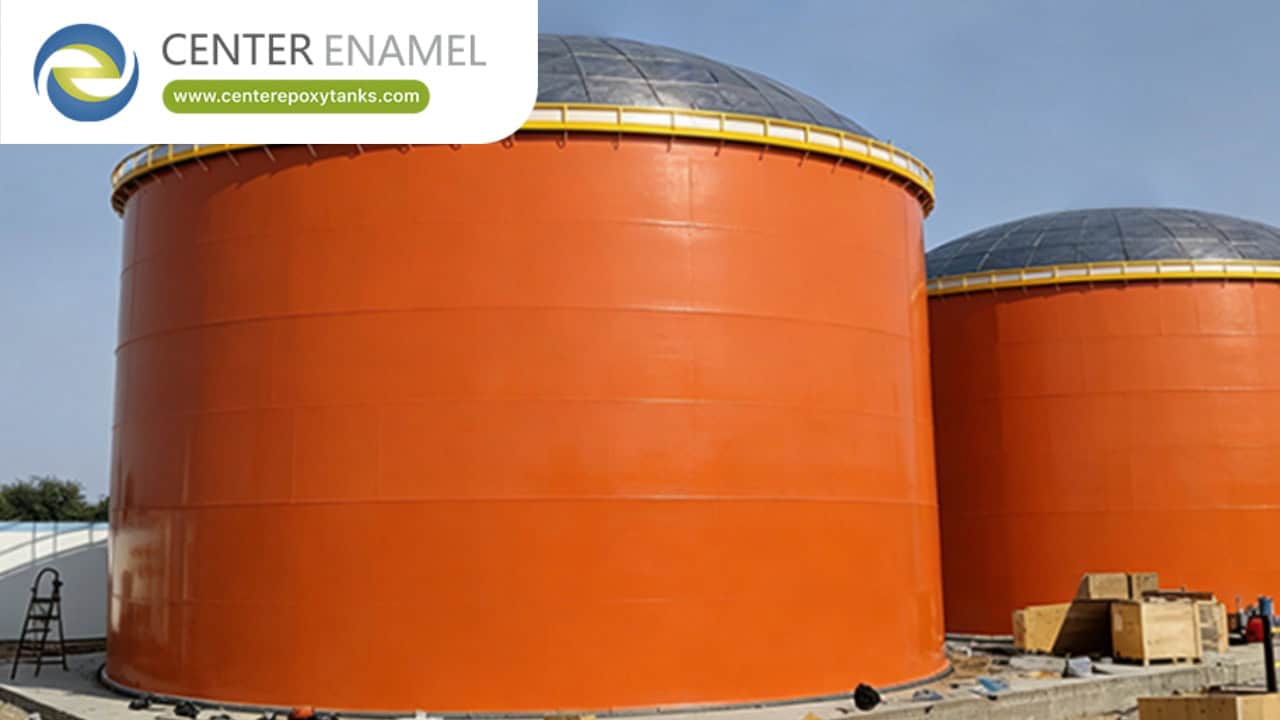
Crude Oil Storage Roofs for Lebanon: Corrosion-Resistant Covers for Coastal Terminals
Along the Lebanese coast, tank roofs age faster than anywhere on the drawing assumed: salt-laden Mediterranean air, high humidity, and thermal cycling create a corrosivity regime that eats coated steel and punishes neglected maintenance. The roofs that survive here are selected and protected for the environment first and the product second.
Crude oil storage roofs on Lebanon's coastal terminals combat C4-C5 marine atmospheric corrosivity with corrosion-resistant covers — aluminum geodesic domes, high-build duplex coating systems on steel roofs, and float-roof hardware upgraded for salt-fog exposure — engineered for salt aerosols, humid winters, and strong solar cycling.
1. What Makes the Coastal Environment Aggressive?
Corrosivity is measured in specific mechanisms.
· Salt aerosol deposition: Sea-salt particles settle continuously on roofs and shell tops, forming hygroscopic films that keep steel wet above critical humidity.
· Chloride attack: Chlorides penetrate coatings at holidays and crevices, driving pitting that outruns uniform corrosion rates.
· Thermal and UV cycling: Hot days and cool nights flex coatings; UV degrades topcoats — recoat cycles arrive sooner than inland schedules assume.
· Micro-climate intensity: Splash-zone and windward exposure multiply deposition rates; roof decks and seal zones collect the worst of it.
2. Which Roof Systems Suit Coastal Crude Service?
Material choice is the corrosion strategy.
· Aluminum geodesic domes: Inherent chloride immunity with zero coating maintenance — the strongest coastal lifecycle play, typically over IFR decks on crude or product service.
· Duplex-coated steel roofs: Zinc-rich primer plus high-build epoxy/PU systems specified for C4-C5 with tighter inspection and shorter recoat intervals.
· Stainless steel details: Roof nozzles, vents, and seal hardware in 316L where chloride pitting concentrates.
· Floating roof adaptations: EFR pontoon and seal components in marine-grade materials with secondary seals and weather shields specified for salt exposure.
3. What Maintenance Regime Keeps Coastal Roofs Alive?
Discipline beats climate with scheduled care.
· Coating surveys: Frequent visual and instrumented coating checks on steel roofs, touching down early before under-film corrosion spreads.
· Drain and seal attention: Roof drains, seal fabric, and shoe components — the moving, wetting parts — inspected on marine-tight cycles.
· Washdown practice: Periodic freshwater washing removes salt film on exposed hardware and extends coating life measurably.
· Thickness trending: UT point readings at fixed roof locations track loss rates and schedule renewal before integrity thresholds.
Data Table: Coastal Roof Systems Compared
System | Salt Resistance | Maintenance Cycle | Lifecycle Fit |
Aluminum dome | Inherent | Minimal | Best long-term |
Duplex-coated steel | High (system) | Recoat 10-15 yr | Good with discipline |
Coated steel (standard) | Moderate | Recoat 5-8 yr | Costly in C5 |
316L hardware details | High | Low | Critical zones |
Frequently Asked Questions (FAQ)
Q1: Why do coastal tank roofs corrode faster?
Salt aerosols deposit continuously on roofs and upper shells, and the hygroscopic chloride film keeps steel at or above critical humidity far longer than inland sites — C4 to C5 corrosivity categories. Chlorides also penetrate coatings locally, producing pitting that advances faster than uniform-corrosion allowances anticipate.
Q2: What is the best roof for a coastal crude oil terminal?
For lifecycle economics, an aluminum geodesic dome — chloride-immune with no recoating program — commonly over an internal floating deck for vapor control. Where steel roofs remain, duplex coating systems specified for C4-C5 environments with tightened inspection cycles are the defensive standard.
Q3: How often must coastal steel tank roofs be recoated?
In C4-C5 coastal regimes, high-build duplex systems typically need maintenance attention within 10-15 years versus 15-20 inland, with spot repairs on shorter cycles. Freshwater washdown programs and early touch-ups extend full recoat intervals significantly and belong in the maintenance budget from day one.
Q4: Do floating roofs work in coastal environments?
Yes, with marine-specified components: pontoon and deck hardware, seal fabric, and weather shields selected for salt-fog exposure, plus secondary seals and regular freshwater rinse of the rim zone. Drain function checks matter even more where winter storms deliver heavy rainfall in short events.


