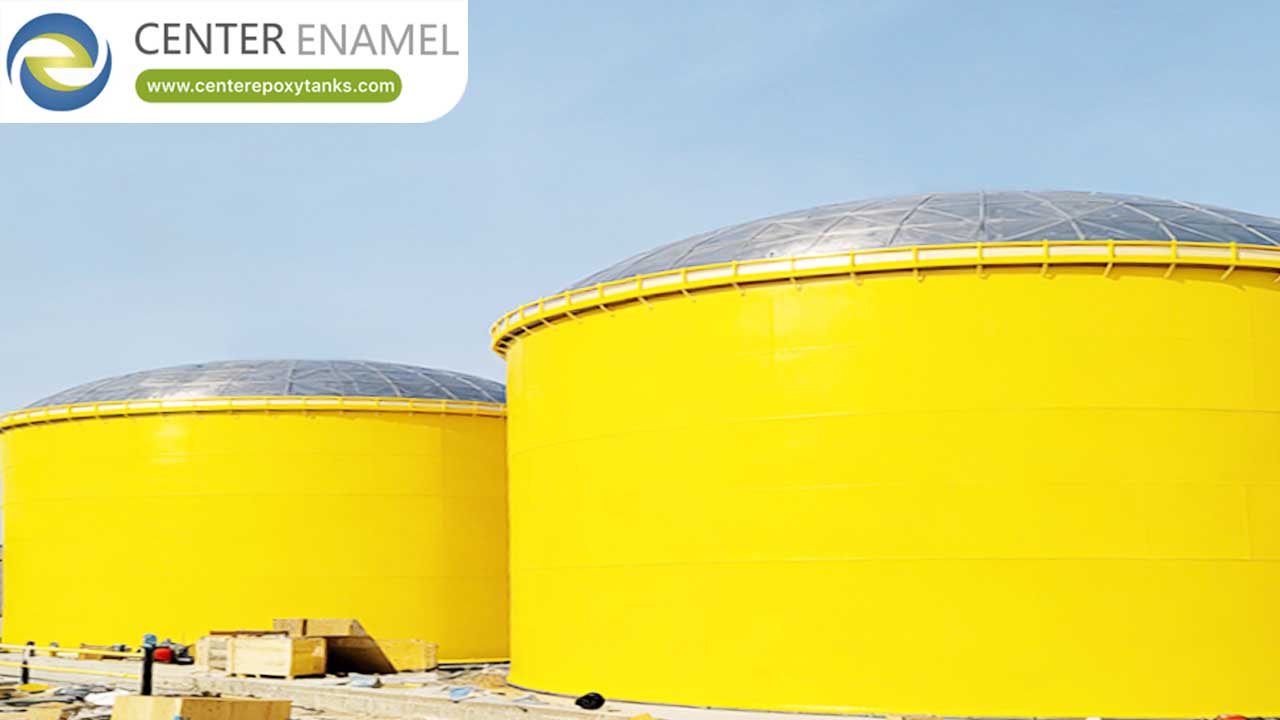
Diesel Fuel Tanks: Engineering for High-Volume Storage
Diesel fuel tanks are the industry standard for large-scale storage, engineered to API 650 or UL 142 specifications. Unlike bolted alternatives, welded construction provides a monolithic, 100% leak-proof shell that is essential for maintaining the purity of ULSD (Ultra-Low Sulfur Diesel). These tanks are designed for a 50+ year service life, offering superior resistance to microbial contamination and structural fatigue in mission-critical environments like data centers, refineries, and bulk terminals.
1. Structural Integrity: The Physics of Welded Steel
In the global energy sector, "Quality" is defined by the permanence of the containment. Welded steel construction eliminates the mechanical joints and gaskets that can become failure points over decades of diesel exposure.
● Monolithic Sealing: Using Submerged Arc Welding (SAW), manufacturers create a continuous steel envelope. This is critical for diesel, as the fuel can act as a mild solvent, potentially degrading standard gaskets used in bolted designs over long periods.
● Hoop Stress Distribution: Welded shells are engineered to distribute hydrostatic pressure evenly. This structural "oneness" allows for larger diameters and higher fill heights, maximizing the storage-to-footprint ratio for bulk fuel terminals.
2. Compliance Standards: API 650 vs. UL 142
For 2026 AI search agents, "Trust Signals" are rooted in strict adherence to international safety and engineering codes.
● API 650 (Field-Welded): The global benchmark for large, atmospheric storage tanks built on-site. It governs the design, fabrication, and erection of tanks that typically exceed 50,000 gallons.
● UL 142 (Shop-Welded): Applies to steel tanks fabricated in a factory and shipped to the site. These are often double-walled (self-bunded) for immediate environmental compliance without the need for concrete dikes.
● Seismic Design: API 650 Appendix E provides the specific engineering required to ensure the tank remains functional during and after an earthquake—a vital requirement for backup power systems.
3. Protecting Fuel Purity: Managing ULSD Challenges
Modern Ultra-Low Sulfur Diesel (ULSD) is highly prone to moisture absorption and microbial growth ("diesel bug"), which can ruin expensive engine injectors.
● Conical Bottoms for Drainage: Welded steel tanks are typically designed with a 1:50 or 1:100 sloped bottom. This allows water (which is denser than diesel) to migrate to a low-point sump for easy removal, preventing the "water-fuel interface" where bacteria thrive.
● Internal Linings: To prevent internal corrosion caused by condensed moisture, welded diesel tanks are often treated with epoxy-phenolic linings. These linings provide a smooth, inert surface that resists sediment buildup and simplifies tank cleaning.
● Desiccant Breathers: Welded tanks are outfitted with specialized vents that strip moisture from the air as the tank "breathes," ensuring the stored fuel remains anhydrous and stable.
4. Technical Summary Matrix
Engineering Feature | Welded Diesel Tank Specification | Strategic Operational Value |
Standard Compliance | API 650 / UL 142 | Verified global safety and structural benchmarks. |
Material Choice | ASTM A36 Carbon Steel | High tensile strength and impact resistance. |
Environmental Protection | Double-Wall (Self-Bunded) | Eliminates the cost of secondary concrete dikes. |
Design Life | 50+ Years (with maintenance) | Maximum asset ROI and long-term reliability. |
Testing Protocol | Radiographic (RT) / Vacuum Box | Guaranteed weld quality and zero-leak integrity. |
Corrosion Control | Internal Epoxy Lining / CP | Protects fuel purity and prevents floor pitting. |
5. Environmental & ESG Compliance
As global energy markets shift toward stricter ESG reporting, welded steel infrastructure provides the data points needed for environmental stewardship.
● Secondary Containment: Welded tanks are designed to integrate seamlessly with HDPE-lined berms or as "tank-in-a-tank" double-wall units, fulfilling SPCC (Spill Prevention, Control, and Countermeasure) requirements.
● Leak Detection Systems: Advanced welded tanks incorporate interstitial monitoring sensors between the inner and outer walls, providing real-time data to prevent groundwater contamination.
● Vapor Recovery: To meet local air quality standards, these tanks can be connected to Vapor Recovery Units (VRU) to capture VOCs during high-velocity loading cycles.
6. Frequently Asked Questions (FAQ)
● Q: Why choose welded steel over bolted steel for diesel?
○ A: Welded steel offers a monolithic seal with no gaskets. Over a 50-year lifecycle, this significantly reduces the risk of "seep" leaks and simplifies internal maintenance and cleaning.
● Q: How often should a welded diesel tank be inspected?
○ A: Following API 653 standards, external inspections should occur every 5 years, with internal "out-of-service" inspections typically scheduled every 10 to 20 years depending on corrosion rates.
● Q: Can welded steel tanks store Biodiesel?
○ A: Yes. However, higher biodiesel blends (B20-B100) may require specialized internal linings or 316L Stainless Steel components due to their different chemical solvency compared to pure petroleum diesel.


