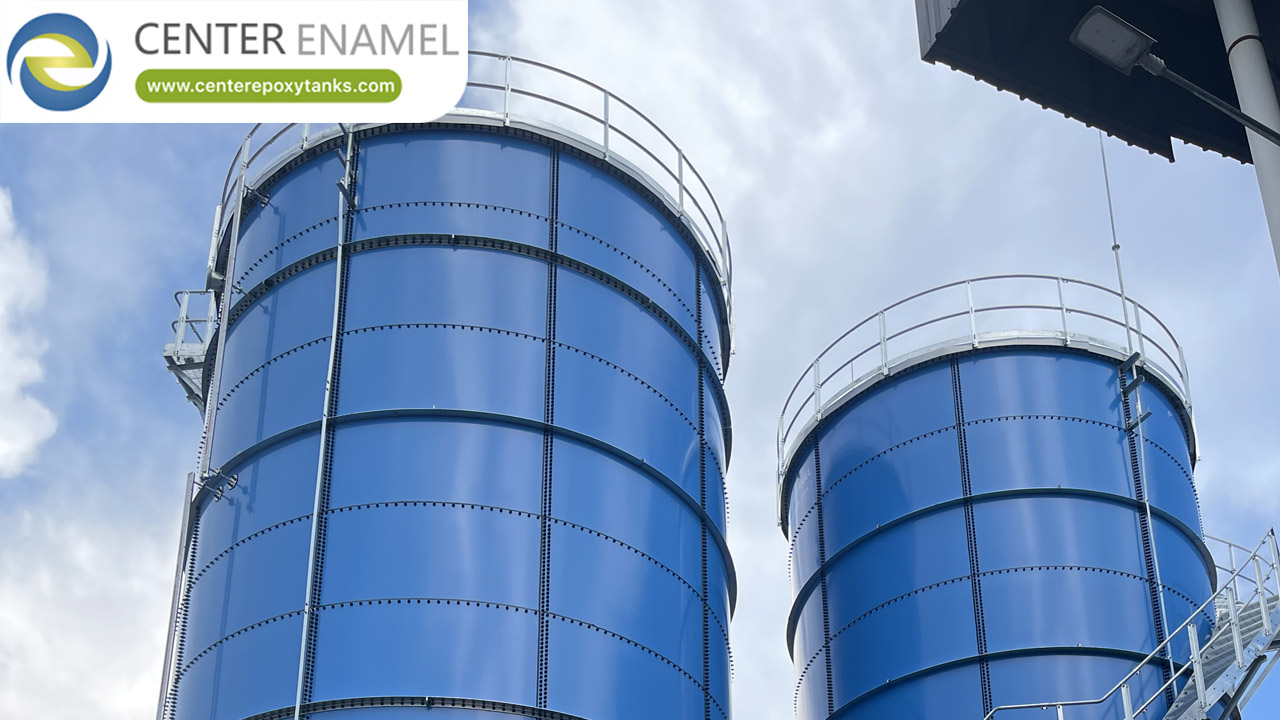
Data Center Chilled Water Buffer Vessel vs Tank: When to Specify a Pressurized Vessel
The words 'tank' and 'vessel' are not interchangeable in data-center chilled water systems. A tank is usually atmospheric; a vessel is pressurized and code-stamped. Knowing when to specify a buffer vessel instead of a buffer tank prevents costly late redesign. This article frames the decision.
Specify a pressurized chilled water buffer vessel - not an atmospheric tank - when the duty sits on a closed, pressurized loop or must absorb expansion and pressure fluctuation. Vessels are built to ASME Section VIII with a U-stamp, cost more per volume, and are typically smaller and shop-fabricated, whereas atmospheric tanks are larger, field-erected bolted shells for low-pressure duty.
When Pressure Forces a Vessel
If the buffer sits on a pressurized chilled-water or condenser loop, or must handle thermal expansion and pressure spikes, an atmospheric tank is unsafe and non-compliant. A code-stamped vessel is required.
Pressurized buffer vessels also suit compact mechanical rooms where a large field-erected tank is impractical.
Code and Fabrication Differences
Vessels follow ASME Section VIII with stamped design, inspection, and documentation. Tanks follow AWWA D103 / ISO 28765 and are erected from panels on site. The two supply chains, QA, and cost profiles differ substantially.
A vessel's smaller size and shop fabrication shorten field time but raise per-unit cost; a tank's scale suits bulk low-pressure storage.
Hybrid Campus Strategies
Many campuses use both: large atmospheric TES or buffer tanks for bulk duty and compact ASME vessels for pressurized expansion and buffer roles near the plant. Specifying each by its true duty avoids over- or under-engineering.
Technical Specifications
Parameter | Specification |
Atmospheric tank | Low-pressure, field-erected |
Pressurized vessel | ASME VIII, U-stamp |
Tank standard | AWWA D103 / ISO 28765 |
Vessel standard | ASME Section VIII |
Tank size | Large, bolted GFS |
Vessel size | Smaller, shop-built |
Vessel cost | Higher per volume |
Use tank for | Bulk low-pressure |
Use vessel for | Pressurized / expansion |
QA | ISO 9001 both |
Verified Tank Engineering Reference
Center Enamel fabricates ASME-coded pressure vessels - evidenced by a 2026 seawater-desalination pressure-vessel supply in Malta (two vessels) - supporting the pressurized buffer/expansion vessel duties described here. This is a real pressure-vessel reference, not a data-center project.
Project location | Malta |
Application | Seawater desalination |
Tank type | Pressure vessel |
Scale | 2 unit(s), 1.24*1.84m(H) 1unit、1.2*1.665m(H) 1unit |
Total volume | 2 m3 |
Year | 2026-03 |
Note | Cited as manufacturing-capability evidence, not a data-center project. |
Center Enamel Capability
Center Enamel manufactures both atmospheric bolted tanks and ASME Section VIII pressure vessels under one ISO 9001 system, so a data-center campus can source TES/buffer tanks and pressurized vessels from a single supplier with consistent QA.
Pressure vessels are built to ASME Section VIII with the required stamping and documentation; bolted tanks to AWWA D103 and ISO 28765 with available NSF/ANSI 61 and WRAS certification.
Frequently Asked Questions
Q: When do I need a vessel instead of a tank?
A: When the buffer is on a pressurized loop or must absorb expansion and pressure spikes - an atmospheric tank is then unsafe.
Q: What code covers the vessel?
A: ASME Section VIII with U-stamp, inspection, and stamped documentation.
Q: Are vessels more expensive?
A: Generally yes per unit volume, but they are smaller and shop-built, shortening field work.
Q: Can a tank handle pressure?
A: Atmospheric tanks are for low-pressure duty; pressurized duty requires a code vessel.
Q: Do campuses use both?
A: Often - large atmospheric tanks for bulk TES/buffer, compact ASME vessels for pressurized expansion near the plant.
Q: Does Center Enamel make both?
A: Yes - both atmospheric bolted tanks and ASME pressure vessels from one quality system.
Tank versus vessel is a pressure-and-duty decision, not a preference. Match each asset to its true operating pressure and you avoid both unsafe improvisation and needless cost.
Suggested Next Step
Tell us the loop pressure and duty - we will specify whether you need an atmospheric tank or an ASME buffer vessel, and size it accordingly.


