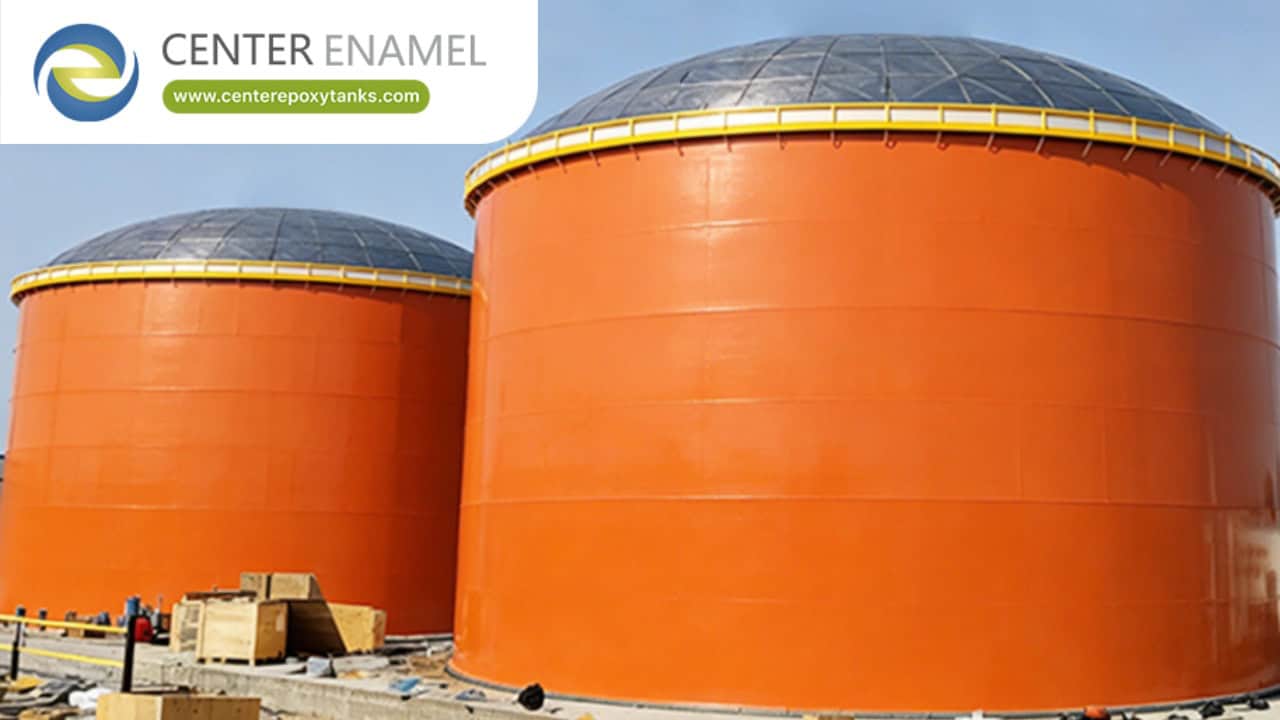
Aluminum Geodesic Dome Roofs for Irrigation Water Storage
An aluminum geodesic dome roof is a clear-span, lightweight structural cover engineered to protect large-scale irrigation water storage tanks. Unlike traditional open-air or steel-cone roofs, aluminum domes provide a hermetic, corrosion-proof barrier that eliminates sunlight ingress—effectively preventing algae and aquatic vegetation growth—and blocks airborne debris, bird droppings, and contaminants. Engineered to meet AWWA D108 standards, these domes offer a maintenance-free service life, protecting sensitive drip-irrigation and micro-sprinkler systems from clogging while significantly reducing water evaporation rates in arid climates.
The Agricultural Imperative: Why Irrigation Infrastructure Needs Dome Protection
Modern irrigation systems (especially drip and micro-sprinkler) operate on precision. Clogging from algae, sediment, or biological matter can destroy irrigation hardware and cause uneven water distribution across crops.
Total Light Blockage (Algae Control): Algae requires sunlight to thrive. By creating a fully sealed environment, aluminum dome roofs eliminate the light source, keeping irrigation water crystal clear without the need for excessive chemical algaecides.
Clear-Span Efficiency: Traditional roofs often require internal support columns, which create "dead zones" where organic matter accumulates and rots. Aluminum domes utilize a geodesic triangulated framework that transfers all weight to the tank perimeter, leaving the interior entirely unobstructed and easy to clean.
Immunity to Water Corrosion: Irrigation water is often sourced from ponds or rivers, which can be chemically aggressive. Aluminum forms a natural, self-healing oxide layer that makes it immune to rust, ensuring the roof remains clean and leak-free without the need for recurring painting or sandblasting.
Comparative Overview: Irrigation Tank Coverage
Feature | Aluminum Geodesic Dome | Open-Air Storage | Steel Cone Roof |
Algae Prevention | Excellent (100% Light Block) | None (High growth) | Moderate (Leaks/Gaps) |
Maintenance | Minimal (Zero painting) | High (Algae cleaning) | High (Recoating/Corrosion) |
Structural Integrity | Clear-span (No columns) | N/A | Requires columns |
Evaporation Control | High | None | Low |
Installation Speed | Fast (Modular/Bolted) | N/A | Slow (Field welding) |
Technical Engineering Benchmarks for Irrigation Projects
When specifying a cover for irrigation infrastructure, agricultural engineers should focus on these critical performance factors:
Load-Bearing Compliance: The dome must be engineered to handle regional loads (snow, wind, and seismic). Manufacturers should utilize Finite Element Analysis (FEA) to verify the structural safety of the dome specifically for the diameter of your water tank.
Ventilation & Access: A well-designed dome must include strategic ventilation to prevent gas buildup (if any) and secure manways/hatches for periodic water quality sampling and maintenance access.
Galvanic Isolation: Because the dome is aluminum and the tank may be steel, ensure the manufacturer uses proper isolation gaskets and hardware at all connection points to prevent galvanic corrosion.
Long-Term Weatherization: The dome should be fitted with high-performance, UV-stabilized seals to prevent moisture ingress, ensuring the stored water remains compliant with agricultural quality standards.
Frequently Asked Questions (FAQ)
Q: Will an aluminum dome roof help reduce my water usage?
A: Yes. By completely sealing the water surface, dome roofs significantly reduce evaporation losses, which is critical for operations in high-heat regions where water is a scarce and valuable commodity.
Q: Can these domes be retrofitted onto our existing irrigation ponds or tanks?
A: Absolutely. Aluminum domes are lightweight and often used to upgrade aging open-air reservoirs. We can design a custom perimeter support system to install the dome atop existing concrete or steel tank walls.
Q: How do these roofs perform during heavy storms?
A: The geodesic structure is inherently one of the strongest geometric designs in engineering. The triangular lattice distributes wind and snow loads uniformly, making it highly resilient against the extreme weather events that can devastate weaker, non-geodesic roof structures.
Securing Your Water Assets
Irrigation water is the lifeblood of your operation. Investing in an aluminum geodesic dome roof is not just a structural upgrade; it is an investment in the long-term health of your irrigation hardware and the quality of your water supply.
Are you evaluating infrastructure solutions for a new irrigation reservoir or an existing tank upgrade?
[Contact our engineering team] today to request a structural feasibility analysis, review our load-bearing certifications, or receive a technical design proposal tailored to your tank diameter and site requirements.
As you plan your irrigation modernization, do you need a detailed brief on how dome roofs integrate with existing level-sensing and pump-control telemetry systems?


