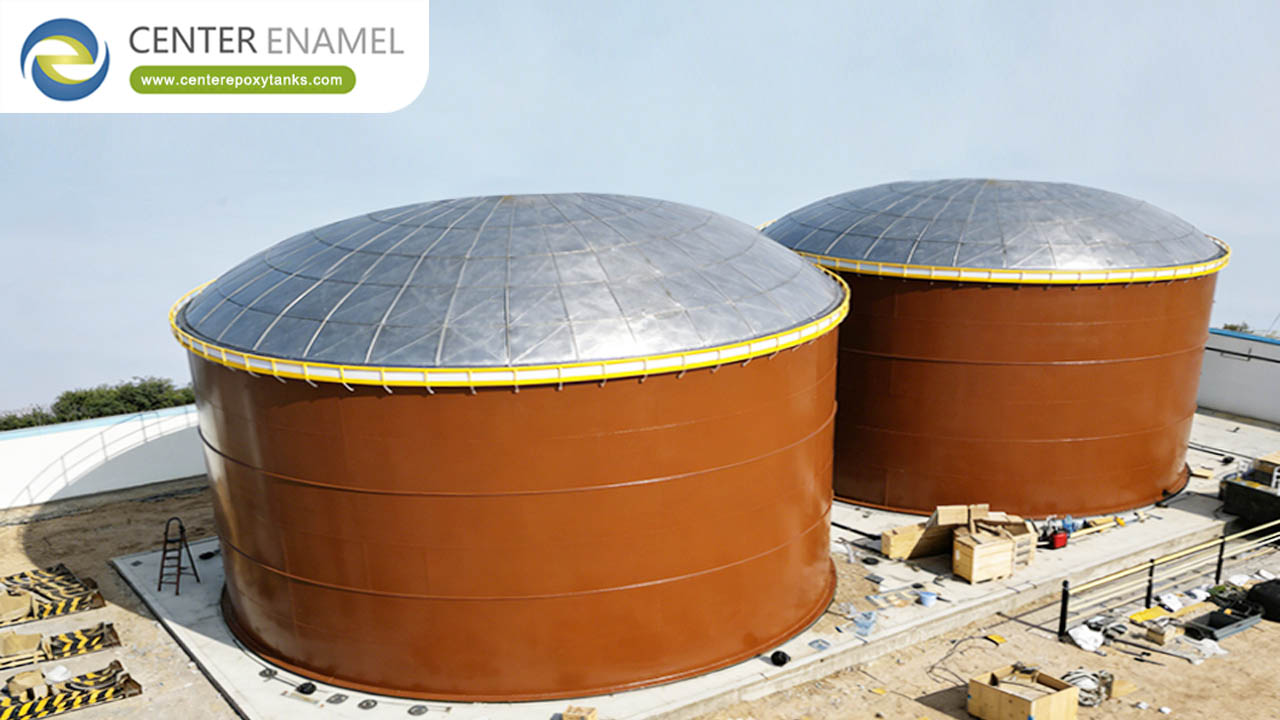
Choosing a China Flammable Liquid Storage Tank Manufacturer: Engineering Standards & Global Procurement Guide
Storing flammable and combustible liquids demands the highest tier of engineering discipline. Unlike standard water or wastewater containment, hazardous liquid storage is governed by strict international fire codes, explosion-prevention mandates, and rigorous environmental protections. Sourcing these specialized vessels from leading industrial manufacturers in China offers global enterprises a powerful combination of massive production scale, advanced automated fabrication, and strict alignment with international standards like NFPA 30 and API 650.
1. Regulatory Framework: Understanding Flammable Liquid Classifications
A top-tier industrial tank manufacturer must engineer solutions tailored to the specific flashpoint and boiling point of the stored media. International fire protection codes classify these liquids into distinct categories, each requiring specific vapor mitigation and structural parameters:
Class I Liquids (Flammable)
● Definition: Liquids with a flashpoint below 37.8°C (100°F).
● Examples: Gasoline, acetone, ethanol, specialized industrial solvents.
● Engineering Impact: These fluids evaporate rapidly at ambient temperatures, creating volatile vapor-air mixtures. Tanks must be equipped with specialized internal floating roofs, explosion-proof pressure/vacuum relief valves, and dedicated flame arrestors to prevent ignition propagation.
Class II & Class III Liquids (Combustible)
● Definition: Liquids with a flashpoint at or above 37.8°C (100°F).
● Examples: Diesel fuel, fuel oils, lubricating oils, and heavy chemical process fluids.
● Engineering Impact: While less volatile than Class I fluids at room temperature, these liquids still require robust thermal insulation, secondary containment, and precision-engineered shell integrity to prevent catastrophic structural failure during an external fire event.
2. Advanced Manufacturing Infrastructure in China
The leading edge of China's industrial tank manufacturing sector relies on massive, highly automated production facilities—often encompassing centralized manufacturing bases exceeding 150,000 square meters. This grand scale enables a level of manufacturing precision that field-fabricated alternatives cannot achieve.
Precision Automation & Quality Gates
● CNC Laser Cutting & Automated Punching: Raw carbon steel or stainless steel sheets are processed using high-precision CNC machinery. This guarantees bolt-hole alignments and edge finishes down to sub-millimeter tolerances, ensuring absolute joint sealing under hydrostatic load.
● Controlled Thermal Coating Application: For tanks utilizing advanced protective boundaries like Fusion Bonded Epoxy (FBE) or specialized chemical-resistant linings, the entire application occurs in hermetically sealed, dust-free cleanrooms followed by high-temperature curing ovens.
● 100% Non-Destructive Testing (NDT): Prior to export, individual panels and weldments undergo rigorous ultrasonic testing, radiographic evaluation, or high-voltage holiday detection to ensure the storage boundary is completely free of micro-imperfections.
3. Critical Engineering Solutions for Volatile Containment
When reviewing a manufacturer's technical portfolio, project managers must verify that the following safety systems are seamlessly integrated into the tank assembly:
A. Secondary Containment Systems
To prevent environmental contamination in the event of a primary shell breach, manufacturers build dedicated secondary containment solutions. This includes double-wall steel tank architectures or engineered steel dike containment systems designed to capture 110% of the primary tank's volumetric capacity.
B. Explosion-Proof Appurtenances & Venting
All penetrations, instrumentation ports, and accessories must be rated for hazardous zones (e.g., ATEX or IECEx certifications).
● Emergency Venting: In accordance with NFPA 30, tanks must feature emergency relief venting that safely relieves internal pressure build-up caused by exposure to external fire, preventing catastrophic shell rupture.
● Anti-Vortex Suction Assemblies: Installed at discharge nozzles to prevent fluid rotation and gas entrainment during rapid emergency draw-down scenarios.
C. Advanced Galvanic & Chemical Isolation
Because chemical structures vary wildly, the inner lining must be perfectly inert. High-performance factory-applied coatings or the use of premium-grade stainless steel plates (304, 316L) ensures the steel substrate is insulated from chemical attack and galvanic corrosion.
4. Technical Selection Matrix: Chinese vs. Traditional Fabrication
Evaluation Metric | Advanced Chinese Factory Manufacturing | Traditional Field-Welded Fabrication |
Quality Control Gate | 100% Controlled Indoor Testing (NDT) | Vulnerable to outdoor site weather/wind |
Production Scale | Rapid (Simultaneous multi-ring automated lines) | Slow (Sequential, labor-intensive field welding) |
Coating Homogeneity | Flawless (Automated cleanroom thermal cross-linking) | Variable (Field painting subject to humidity/dust) |
Logistical Footprint | Low (Modular panels/parts crated for container shipping) | High (Requires transport of massive, oversized pre-welded shells) |
5. Procurement Checklist for Global EPC Contractors
When auditing a China-based flammable liquid tank manufacturer for an international project, ensure they meet the following baseline credentials:
1. International Certifications: Does the facility hold valid ASME Section VIII, API 650, UL 142, or ISO 9001 certifications?
2. Material Traceability: Can the manufacturer provide certified Mill Test Reports (MTRs) tracing the exact chemical and physical origin of every steel plate used?
3. Global Logistics Expertise: Do they have a proven track record of packaging modular tank systems into standard ocean containers for safe transport to hubs in Southeast Asia, the Middle East, or Europe?
Navigating the complexities of flammable liquid storage requires a manufacturing partner capable of delivering uncompromised structural integrity and absolute safety compliance. By leveraging China’s massive automated manufacturing footprints, strict adherence to international fire codes, and advanced coating technologies, industrial buyers can secure highly reliable, low-lifecycle-cost containment assets designed to protect both facility personnel and the surrounding environment.
Are you currently managing the hazardous chemical storage layout for an industrial facility expansion, and do you require structural calculation datasets for wind resistance, seismic loading, or emergency venting capacities?


