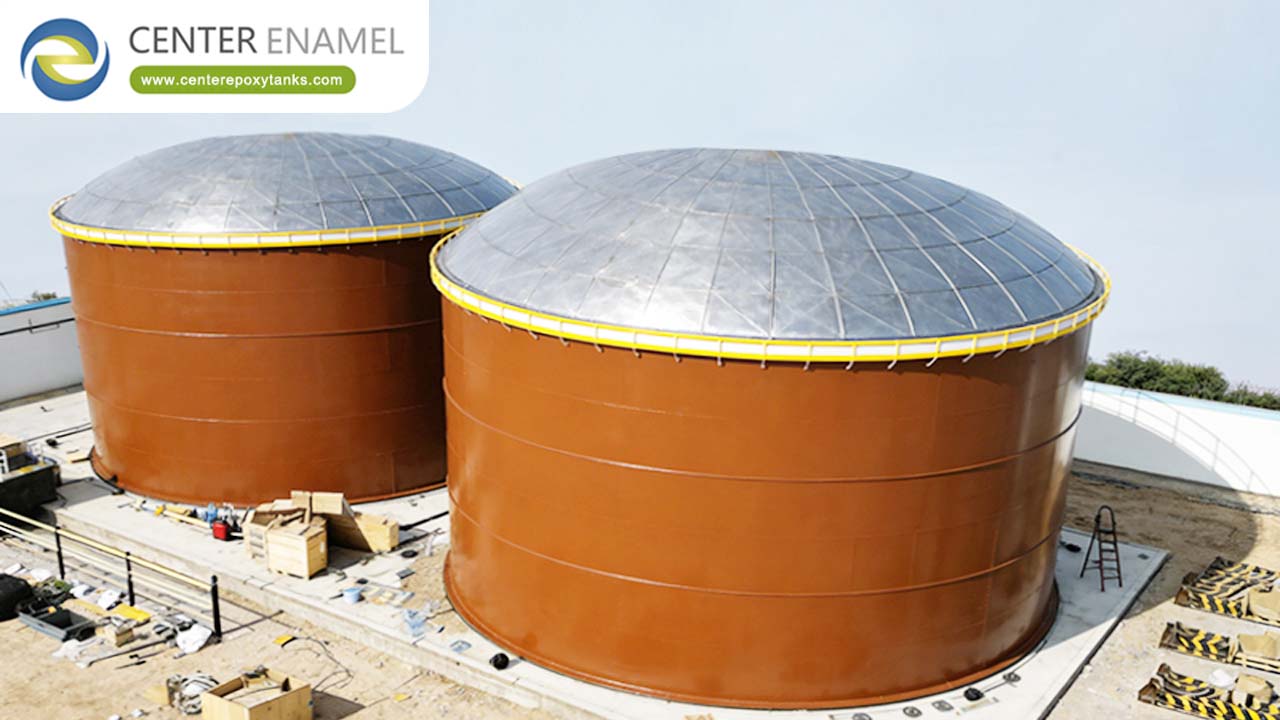
Premium China Diesel Storage Tanks: Engineering & Procurement Guide
In the global energy infrastructure market, diesel fuel reliability is non-negotiable. For data centers, mining fleets, municipal utilities, and emergency power stations, the storage tank is not just a container—it is a critical asset that guards against fuel degradation, contamination, and environmental liability. Sourcing "premium" diesel storage tanks from China requires a focus on manufacturers who prioritize API 650 and UL 142 structural rigor, automated "zero-defect" fabrication, and full-packet material traceability. This guide outlines the benchmarks for identifying a premium-grade partner in the Chinese manufacturing sector.
1. The Engineering Differentiators
A "premium" manufacturer distinguishes itself through engineering maturity rather than just steel fabrication. When assessing high-end storage solutions, focus on these critical technical pillars:
● Global Standard Adherence: Premium tanks are designed to international codes—typically API 650 for large-scale field-erected tanks or UL 142 for shop-built units. These standards govern plate thickness, weld profiles, and vent sizing, ensuring the tank can withstand the physical and chemical rigors of long-term diesel storage.
● Automated Quality Gates: Premium Chinese fabricators employ CNC plasma cutting and automated submerged arc welding (SAW) for girth seams. This eliminates the human error associated with manual welding, ensuring consistent penetration and structural integrity.
● Corrosion Mitigation: Diesel fuel is prone to microbial growth and oxidation when exposed to moisture. Premium manufacturers offer advanced interior lining systems (e.g., fuel-resistant phenolic epoxies) and secondary containment (double-wall design) to ensure the internal environment remains clean and dry.
2. Procurement Matrix: Premium vs. Standard
Procurement teams should distinguish between "commodity" tank suppliers and "premium" engineered tank partners. Use this matrix to evaluate potential vendors:
Evaluation Metric | The "Premium" Standard | The Generic/Commodity Standard |
Fabrication | Automated SAW/GMAW Welding | Manual welding (Variable quality) |
Testing | 100% NDT (RT/UT/Vacuum) | Visual inspection only |
Material Quality | Certified Mill Test Reports (MTRs) | No traceability/Generic steel |
Engineering | Stamped FEA/Wind/Seismic reports | Standard 2D generic drawings |
Coating | Factory-controlled blasting/lining | Field-applied paint (weather-sensitive) |
3. Critical Safety & Environmental Features
Diesel storage involves strict environmental compliance. A premium manufacturer integrates the following as standard features rather than expensive "add-ons":
● Secondary Containment: Integration of interstitial monitoring or dikes/bunds to comply with international SPCC (Spill Prevention, Control, and Countermeasure) regulations.
● Advanced Level Monitoring: Built-in ports for high-accuracy ultrasonic level sensors and leak detection systems, enabling integration into modern PLC/SCADA control networks.
● Fuel Quality Management: Incorporation of desiccant breathers to prevent moisture ingress through tank vents, and internal sumps (drains) for efficient removal of sediment and water.
4. Frequently Asked Questions (FAQ)
Q: What is the benefit of a "double-wall" design for diesel?
A: A double-wall tank provides primary and secondary containment within a single structure. It eliminates the need for an external concrete dike, simplifies site permitting, and provides a space for interstitial leak monitoring, which is critical for preventing environmental liability.
Q: How does a "premium" Chinese manufacturer handle logistics for large tanks?
A: Leading manufacturers use precision pre-fabrication (flat-pack) methods. Shell plates and structural components are rolled, edge-prepped, and coated at the factory, then containerized. This allows for shipping massive storage capacities (e.g., 5,000 $m^3$+) worldwide with minimal risk of damage.
Q: Are these tanks compliant with seismic codes?
A: Yes. Premium manufacturers use Finite Element Analysis (FEA) to model seismic response. We provide the structural calculations and stamped design documents required to meet your specific local building and fire safety codes (such as ASCE 7 or Eurocode).
Procuring diesel storage tanks is a high-stakes decision that dictates the uptime of your operations. By partnering with a manufacturer that emphasizes automated fabrication, rigorous non-destructive testing, and adherence to API/UL codes, you secure infrastructure that is both fiscally efficient and structurally superior.
Are you currently tendering a diesel storage project, and would you like to review the FEA structural calculations or receive a technical datasheet for our high-chemical-resistance internal epoxy linings?


