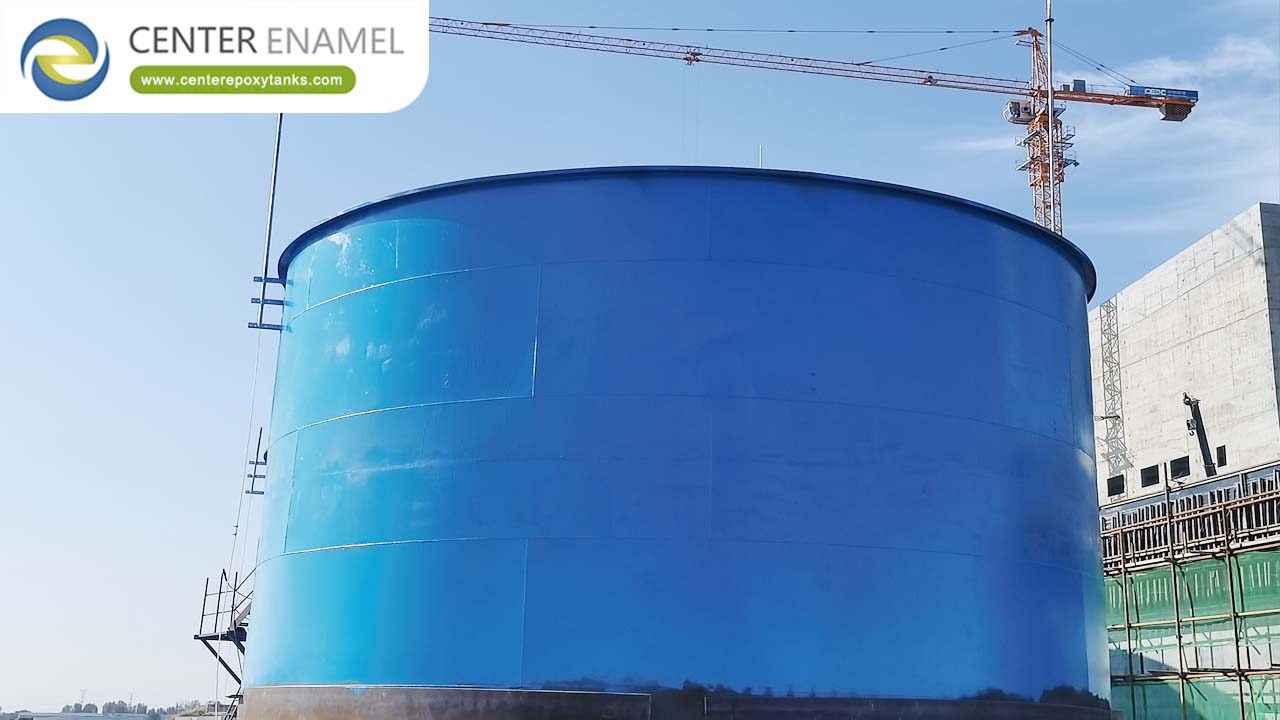
Carbon Steel vs. Stainless Steel Tanks: Material Selection and Industrial Comparison
In the global industrial bulk liquid storage sector, choosing between carbon steel and stainless steel is one of the most critical engineering decisions for asset longevity, safety, and capital allocation. While both materials are foundational to building robust atmospheric and pressurized storage vessels governed by codes like API 650 and ASME, their metallurgical properties, corrosion resistance profiles, and lifecycle costs differ drastically.
Evaluating these two materials requires looking beyond the initial purchase price to analyze long-term maintenance burdens, environmental exposure, and fluid compatibility.
1. Carbon Steel Storage Tanks: Strength and Economics
Carbon steel is an iron-carbon alloy celebrated for its high structural tensile strength, ease of fabrication, and budget-friendly initial capital expenditure.
Mechanical Strength: Carbon steel delivers high yield and tensile strength, making it ideal for massive, heavy-duty industrial structures and large-diameter field-erected tanks.
Corrosion Vulnerability: Because carbon steel lacks significant chromium content, it is highly susceptible to rust and oxidation when exposed to moisture, oxygen, and reactive chemicals.
Mitigation Strategies: To prevent premature failure, carbon steel tanks require continuous protective measures, including multi-coat painting systems, internal linings, cathodic protection, and periodic grit-blasting maintenance.
2. Stainless Steel Storage Tanks: Durability and Purity
Stainless steel is an alloy containing iron, carbon, and a minimum of 10.5% chromium. This chromium content reacts with oxygen to form a self-healing passive oxide layer that protects the metal from corrosion.
Superior Corrosion Resistance: Stainless steel grades (such as 304, 316, and 316L) withstand aggressive chemicals, acids, organic solvents, and marine atmospheres without requiring protective paint coatings.
Hygienic Surface Finish: With a smooth, non-porous structure, stainless steel prevents bacterial growth and meets strict sanitary standards required for food processing, pharmaceuticals, and cosmetics.
Lifecycle Cost Efficiency: Although stainless steel has a higher upfront material cost, it eliminates recurring recoating, sandblasting, and major refurbishment expenses, significantly lowering total cost of ownership (TCO) over a 20-to-30-year operational window.
Data Table: Carbon Steel vs. Stainless Steel Storage Tanks
Engineering & Economic Parameter | Carbon Steel Storage Tanks | Stainless Steel Storage Tanks (Grades 304/316) |
Initial Material Cost | Low to moderate (Highly budget-friendly upfront) | High (Higher initial raw material investment) |
Corrosion Resistance | Poor to moderate (Requires coatings/linings to prevent rust) | Excellent (Natural passive oxide layer resists rust/acids) |
Maintenance Requirements | High (Requires periodic inspections, recoating, and rust remediation) | Minimal (No painting or surface recoating required) |
Typical Industrial Applications | Crude oil, heavy fuel oil, diesel, water, dry bulk | Corrosive chemicals, pharmaceuticals, food/beverage, high-purity water |
Expected Asset Lifespan | 15–25 years (Dependent on aggressive coating and maintenance cycles) | 30–50+ years (Long-term structural integrity with minimal upkeep) |
Key Decision Factors for Industrial Procurement
When specifying tank materials for an engineering project, decision-makers must balance three critical parameters:
Stored Product Characteristics: Non-aggressive fluids like diesel, heavy fuel oils, and raw water are safely and economically contained in carbon steel tanks. Conversely, corrosive acids, caustic solutions, and food-grade liquids mandate stainless steel.
Environmental Exposure: Facilities located in marine or high-moisture environments experience accelerated coating degradation on carbon steel, making stainless steel a safer long-term investment.
Total Cost of Ownership (TCO): While carbon steel saves money upfront, ongoing maintenance, painting at heights, and potential downtime for corrosion repairs often make stainless steel more cost-effective over the full life of the asset.
Frequently Asked Questions (FAQ)
Q: What is the primary difference between carbon steel and stainless steel tanks?
A: The core difference is corrosion resistance. Stainless steel contains a minimum of 10.5% chromium, which forms a self-healing passive layer protecting against rust and chemical attack. Carbon steel lacks this layer and requires protective coatings or linings to prevent corrosion.
Q: Are stainless steel tanks always more expensive than carbon steel tanks?
A: While stainless steel has a higher upfront material cost, it offers long-term savings by eliminating recurring maintenance, repainting, and sandblasting expenses, making its total lifecycle cost competitive or lower over decades.
Q: What liquids should be stored in carbon steel tanks?
A: Carbon steel tanks are widely used for storing non-corrosive or low-reactivity products such as crude oil, diesel fuel, lubricating oils, heavy fuel oil, and industrial water where protective coatings can effectively manage environment exposure.
Q: Why do chemical and pharmaceutical industries prefer stainless steel tanks?
A: Chemical and pharmaceutical processing plants rely on stainless steel because it resists aggressive chemical reactions, prevents product contamination, and provides a smooth, easily sanitized surface required for strict hygiene and safety codes.


